
Gabon’s new diplomacy: turning african partnerships into economic growth
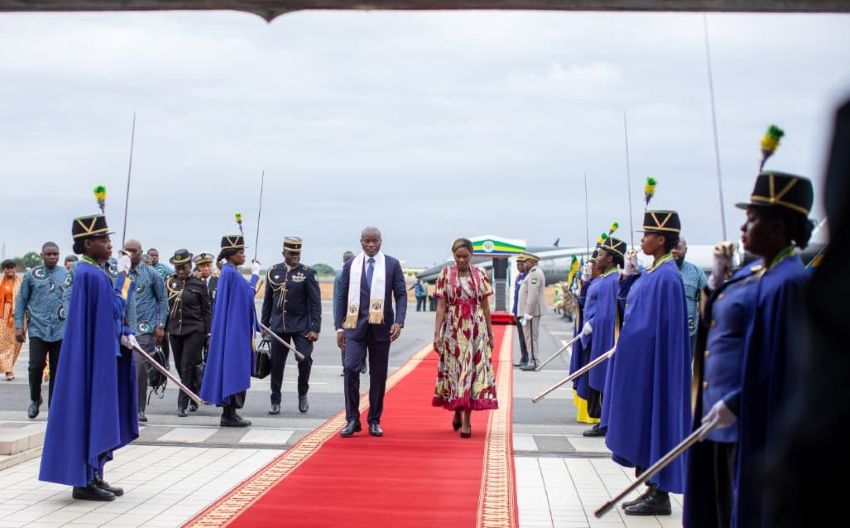
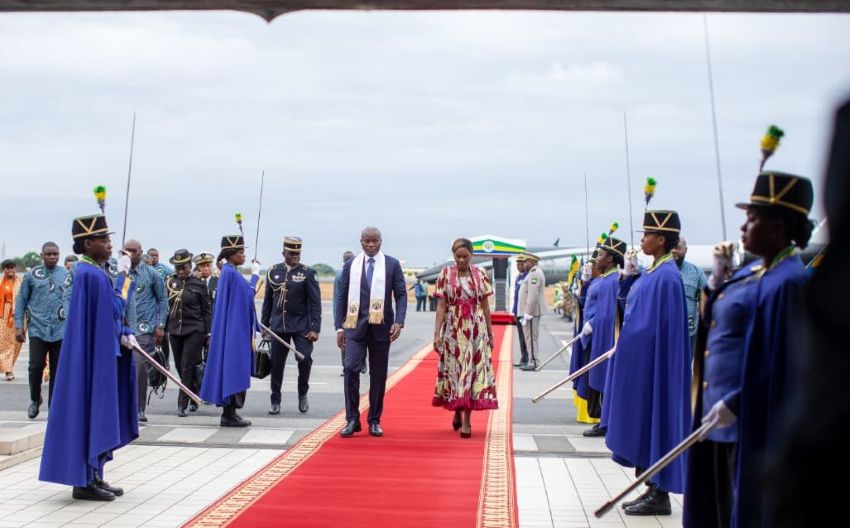
Libreville, Saturday, August 8, 2026 – From July 27 to August 7, 2026, President Brice Clotaire Oligui Nguema embarked on an extensive diplomatic tour across several African capitals. His return to Libreville yesterday signals not the end of a journey, but the beginning of a more critical phase. The true measure of this mission will lie not in the number of handshakes exchanged, but in the tangible outcomes it generates for Gabon.
After the formalities, agreements, and declarations comes the moment of truth. The success of this tour will be judged not by promises made in meeting rooms, but by concrete actions: investments flowing into the country, infrastructure projects breaking ground, jobs created, and new markets opened for Gabonese businesses.
Diplomacy with a purpose
The tour was far from a mere diplomatic routine. It was a carefully crafted strategy to reposition Gabon’s foreign policy as a catalyst for economic transformation. While high-level political discussions were held, the focus remained squarely on practical sectors: energy, agriculture, infrastructure, workforce development, and trade.
The visit to Côte d’Ivoire exemplified this approach. In Abidjan, President Oligui Nguema toured industrial zones, examined key infrastructure projects, and engaged with major economic players like NSIA and Aurion Capital. These interactions weren’t just symbolic—they were designed to showcase Gabon as an attractive destination for investment and partnership.
This shift in strategy makes perfect sense for a nation seeking to diversify its economy and maximize its resources. Modern diplomacy must do more than strengthen state relations—it must serve as a bridge to capital, technology, skills, and market access.
From solidarity to mutual economic benefit
The tour also underscored Gabon’s commitment to deeper African integration. The goal is clear: to move beyond traditional solidarity and foster interdependence through mutually beneficial economic ties.
Côte d’Ivoire served as a compelling case study. Abidjan’s approach—prioritizing infrastructure, industrialization, and private sector engagement—demonstrates how deliberate policy choices can reshape a country’s economic standing. By studying Ivorian urban planning, industrial facilities, and mobility systems, President Oligui Nguema sought actionable insights to inform Gabon’s own development trajectory.
This approach transforms cooperation between Libreville and Abidjan from a symbolic gesture into a dynamic platform for learning, financing, industrial collaboration, and skill transfer. The same logic applies to the other partnerships forged during the tour.
Beyond declarations: the test of implementation
Returning to Libreville marks the start of a new challenge: turning diplomatic momentum into reality. The true test of this tour’s success will be measured in hard numbers. How many investment commitments will materialize? How many jobs will be created? Which infrastructure projects will break ground? What technologies will be transferred? Which new markets will open for Gabonese companies?
This is where the rubber meets the road. A forward-looking foreign policy is only as valuable as its impact on the ground. The Gabonese presidency has laid the groundwork, but now comes the harder work of execution. The next chapter in President Oligui Nguema’s diplomatic efforts may be measured less in kilometers traveled and more in projects completed and lives improved.
Gabon now has a window of opportunity to attract partners, negotiate investments, and learn from successful African models. The question is whether this new diplomatic approach can evolve into a true engine of economic growth. The challenge is clear: to make diplomacy not just a showcase for Gabon, but a driving force behind its development.