
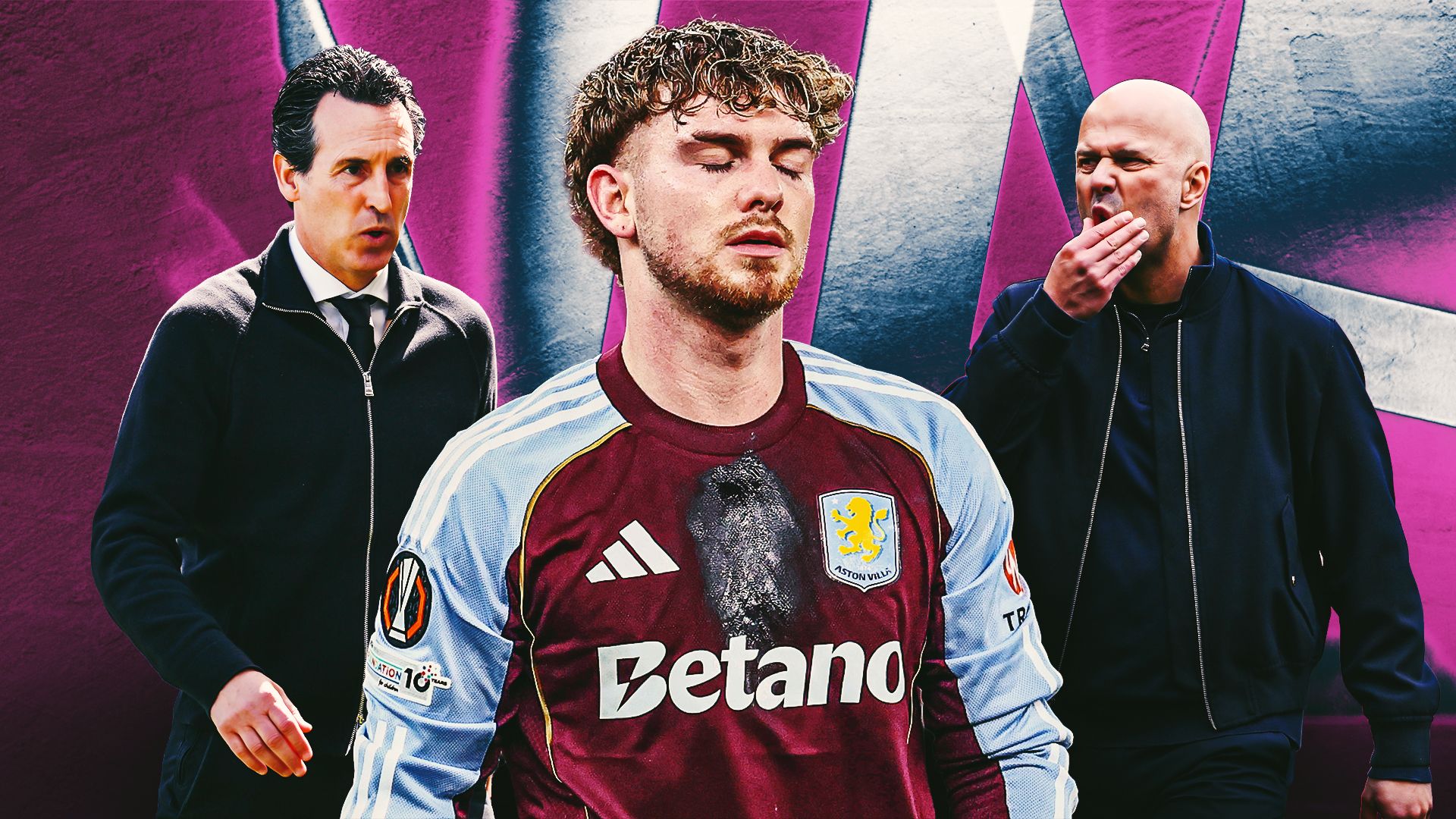
Harvey Elliott’s loan debacle: why Aston Villa’s move backfired spectacularly
Harvey Elliott’s Premier League campaign with Aston Villa has been a cautionary tale from day one. Emery made his stance clear early on: the versatile attacker wasn’t part of his vision. While a return to Liverpool this summer seemed inevitable, his prospects at Anfield appear bleaker than ever under Arne Slot, who has shown little interest in the young Englishman.
From Klopp’s regret to Slot’s discard
Jürgen Klopp’s parting words about Elliott still resonate. In May 2024, the departing manager admitted his only regret was not giving Elliott more game time during a crucial January period when injuries ravaged the squad. “He was our best player,” Klopp reflected, highlighting Elliott’s impact in both wide positions during that stretch.
Elliott, a lifelong Liverpool supporter, remains grateful to Klopp for helping him achieve his dream, even joking that a statue of the German should stand outside Anfield. Yet his future at the club now hangs by a thread, with Slot’s system seemingly leaving no room for a player of his profile.
A promising start that faded fast
The 2023-24 season had marked a career high for Elliott, with 53 appearances and a strong case for the number 10 role in Slot’s setup. His pre-season performances reinforced this, with two assists in a 2-1 friendly win over Arsenal in August 2024 showcasing his potential. “He’s exactly the type of player we need,” Slot had remarked at the time.
However, a fractured foot during a U21 training session in August 2024 derailed those plans. By the time he recovered, Slot’s preferred system was already taking shape, with Dominik Szoboszlai dominating the midfield and Mohamed Salah excelling on the right wing. Elliott’s lone Premier League starts came after Liverpool had secured the title, a clear signal of his diminished status.
The loan gone wrong: Villa’s financial gamble backfires
Liverpool’s decision to loan Elliott to Aston Villa with a £35m compulsory buy clause after 10 appearances looked shrewd on paper. But Villa, already under financial scrutiny, had no intention of triggering the clause. Emery’s public pleas to Liverpool to waive the clause fell on deaf ears—legally and logically, the Reds couldn’t accommodate such a request.
The situation epitomizes Monchi’s misjudgment. The former Villa sporting director had acquired a player Emery never wanted, creating a financial albatross the club couldn’t escape. Elliott, despite his talent, was reduced to a benchwarmer, his development stalling while his career trajectory spiraled downward.
His performances for England’s U21s in the 2025 European Championship—where he was named Player of the Tournament—proved he still had world-class potential. Yet back at Villa Park, he was a non-factor, used just once in the Europa League after the 3-1 win over Fulham in September 2024.
The human cost: Elliott’s stalled career
While both clubs prioritized their interests, Elliott’s future was collateral damage. Described by teammates as a “fantastic professional and an even better person,” he had hoped to break into England’s 2026 World Cup squad after shining with the U21s. Instead, he’s spent the past year in limbo, his career stalled through no fault of his own.
Liverpool, struggling with injuries and poor attacking form, could have used his creativity and work rate. Slot, however, has made it clear Elliott’s role is minimal. “He’s under contract and will return to Liverpool,” Slot stated before the Villa Park clash, adding that the player had “barely featured in two years.”
With reports of RB Leipzig’s interest in Elliott gathering momentum, a return to Germany might offer the reset he desperately needs. Yet even that path remains uncertain, with Liverpool’s valuation complicating negotiations. One thing is clear: Elliott’s loan to Aston Villa stands as the Premier League’s most ill-advised transfer of the season—at least from the player’s perspective.