
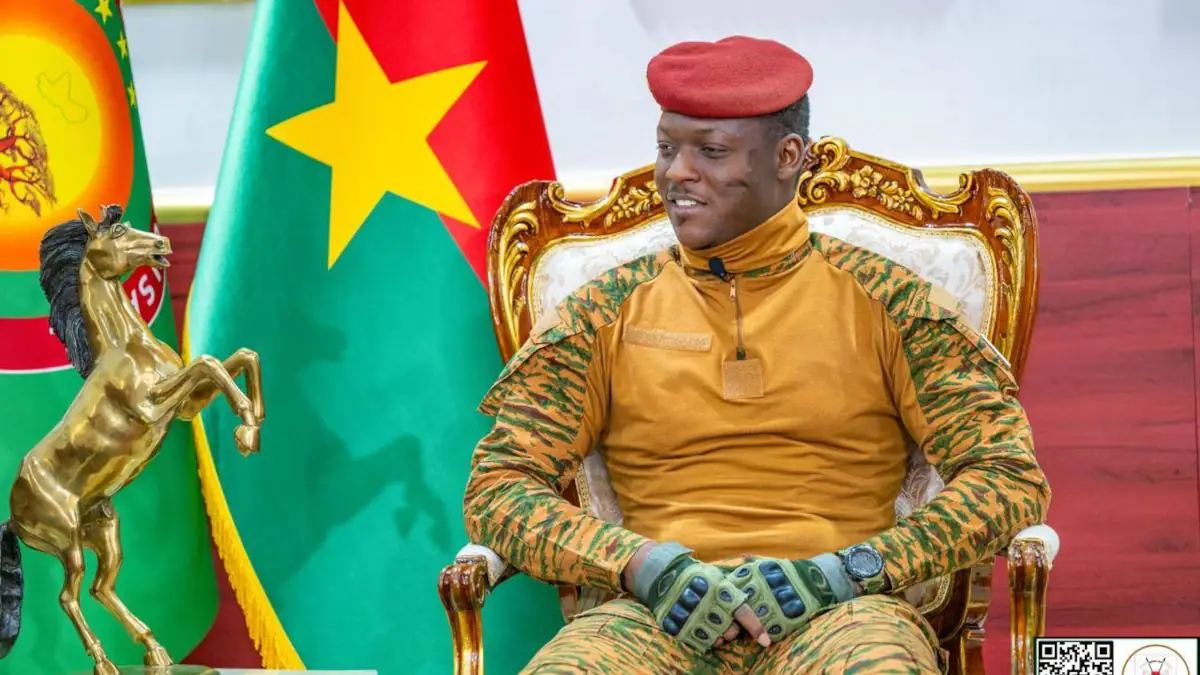
The grand vision of a unified Alliance of Sahel States (AES), championed by Ibrahim Traoré, is increasingly confronting the harsh realities of governance, where the immediate survival of individual regimes often takes precedence over deep institutional integration. While official pronouncements herald a new sovereign confederation poised to break free from Western influence, practical implementation reveals a strong reliance on bilateral strategies. Each member capital appears primarily focused on safeguarding its own borders, a pragmatic approach that subtly undermines the collective strength of the AES. This ‘pick-and-choose’ method erodes the Alliance’s cohesion, reducing the ambitious federal project to a mere collection of national defense tactics. Although united by a shared adversary, these strategies lack the organic solidarity mechanisms crucial for enduring beyond the tenure of current heads of state, highlighting the fragile nature of Sahelian regional integration.
Politically, Ibrahim Traoré’s recent controversial call for citizens to «forget democracy» signals a distinct authoritarian pivot, potentially jeopardizing the long-term legitimacy of the AES. By prioritizing a ‘security-first’ doctrine above all else, Traoré appears to be trading public freedoms for an elusive efficiency that has yet to deliver lasting stability across the troubled Sahel region. This assertion of a permanent ‘Sahelian exception’ could ultimately alienate significant segments of civil society and the youth. Initially drawn to the promise of a radical break from the past, these groups might increasingly view the AES not as an agent of liberation, but rather as an oppressive framework for social control and the suppression of dissenting voices, raising concerns about political governance and human rights.
The economic landscape within the Alliance also reflects this hybrid management, struggling between an aspiration for genuine monetary independence and an escalating reliance on emerging geopolitical patrons. Despite Ibrahim Traoré’s frequent pledges of internal transformation and achieving food sovereignty, economic indicators reveal persistent vulnerabilities to external shocks and significant hurdles in operationalizing the envisioned AES investment bank. A striking paradox emerges: while vocally condemning imperialism, Ouagadougou simultaneously deepens its strategic and financial ties with nations like Russia and Turkey, often through opaque agreements. This trend raises concerns that these potent bilateral reflexes might ultimately dilute the true economic substance of the federal ambition, impacting the Sahel’s economic development and its quest for self-reliance.
Finally, the very military credibility of the AES, initially conceived as the bedrock of the entire project, faces considerable strain due to communication increasingly detached from the intricate realities on the ground. While the procurement of new military hardware is lauded as a triumph of sovereignty, the integration of civilians into anti-terrorism operations introduces substantial risks of communal tensions and abuses. The current AES structure appears ill-equipped to effectively manage these potential pitfalls. By positioning himself as the guarantor of an imminent victory against jihadism, Ibrahim Traoré has adopted an ‘all-or-nothing’ rhetoric. While this stance may energize supporters in the short term, it critically exposes the entire Alliance to severe fragility with every tactical setback, underscoring a precarious balance that rests more on the personal charisma of one leader than on the robust institutional strength of the entire regional security organization.