
When drug wars become a geopolitical weapon: the explosive accusations between Algeria and Abu Dhabi
Algeria now faces a critical dilemma: are shadowy psychotropic drug labs in eastern Libya being bankrolled by external powers to destabilize its society? The explosive claims made by journalist Mehdi Ghezzar have reignited regional tensions, but do they hold water—or are they a symptom of deeper diplomatic fractures?
From clandestine workshops to industrial drug empires
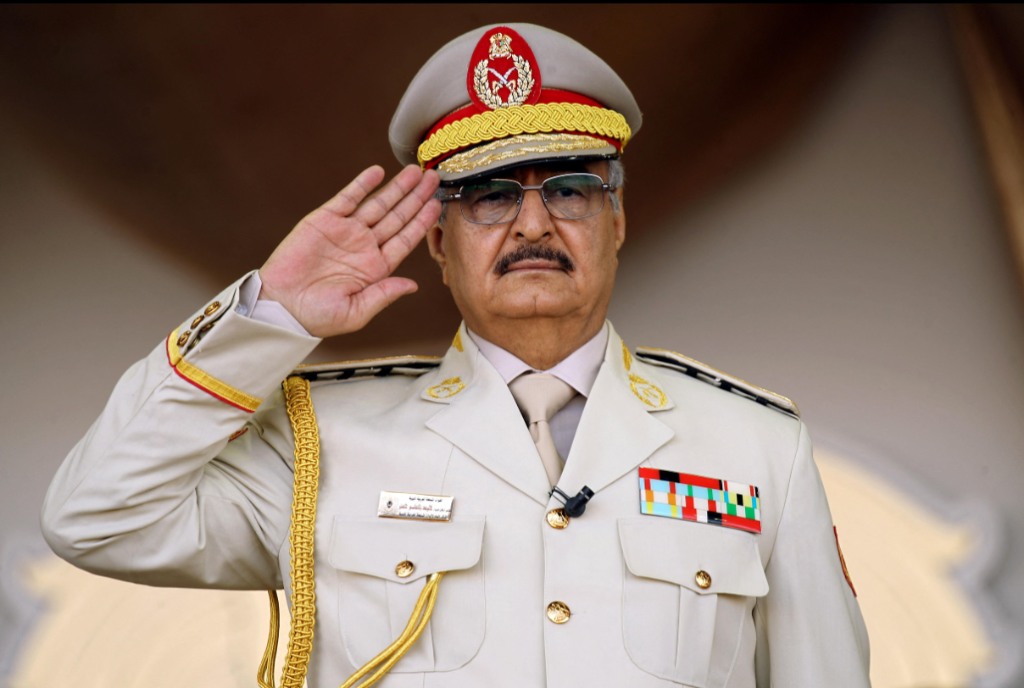
The accusations leveled against the United Arab Emirates are staggering. According to Mehdi Ghezzar, industrial-scale psychotropic drug production facilities have emerged in eastern Libya, a region under the sway of Khalifa Haftar’s forces. These installations, he alleges, are not rogue operations but part of a coordinated network equipped with specialized machinery, industrial-grade inputs, and professional staff—all allegedly financed by Abu Dhabi.
Ghezzar went further, stating in no uncertain terms: « These plants belong to the Emirates. » His claims suggest a calculated strategy to flood Algerian streets with synthetic drugs, exploiting the country’s youth as a vulnerable target. Yet beneath the sensational headlines, a vital question lingers: what concrete evidence supports these allegations?
Libya’s fractured chaos: a breeding ground for drug empires
While the UAE’s involvement remains unproven, the Libyan backdrop is undeniably fertile ground for illicit drug manufacturing. Since the 2011 collapse of state authority, Libya’s political fragmentation and porous borders have allowed criminal networks to thrive, often collaborating with armed factions to move precursor chemicals, machinery, and finished products.
In November 2026, Libyan judicial authorities in Qubbah handed down severe sentences to six individuals convicted of producing and trafficking Captagon tablets. The ringleader received a 25-year prison term, while five others were sentenced to life in absentia. Officials also released images of seized drugs, production equipment, and packaging—unequivocal proof that Libya is no longer merely a transit hub but a hub for drug synthesis.
Earlier that year, Haftar’s Libyan National Army intercepted over 1.3 million Captagon pills in Kufra, a southern stronghold, underscoring the scale of the crisis. These developments paint a clear picture: drug production isn’t just crossing Libya—it’s being manufactured within its borders.
The Haftar factor: a web of alliances and unanswered questions
The Libyan conflict’s complexity deepens the mystery. The UAE has long backed Khalifa Haftar’s forces, providing military, financial, and political support as he secured control over eastern and southern Libya. This alliance fuels suspicions in Algiers, where officials privately question whether Abu Dhabi’s strategic interests extend to fostering instability along Algeria’s borders.
Yet correlation does not equal causation. To substantiate Ghezzar’s bombshell allegations, investigators would need to trace the origin of the machinery, map the financial flows, identify the true owners of these facilities, and uncover any ties to political or military patrons. Without such evidence, the UAE’s alleged financing of these labs remains a hypothesis—not a verified fact.
Algiers vs. Abu Dhabi: a diplomatic rupture with high stakes
The accusations arrive at a moment when Algeria and the UAE are already embroiled in a bitter diplomatic standoff. In September 2026, Algiers severed ties with Abu Dhabi, citing irreconcilable differences over regional alliances, military cooperation, and evolving security threats across North Africa and the Sahel. The rupture reflects deeper fractures in Arab Maghreb politics, where competing visions of stability and influence clash openly.
In this charged environment, even unproven claims of UAE-sponsored drug labs take on explosive implications. They transform a media scandal into a potential state-level dispute, with Algeria accusing Abu Dhabi of weaponizing narcotics to undermine its social fabric. Yet for now, these remain allegations—albeit ones that demand rigorous scrutiny.
President Tebboune declares war on Algeria’s youth
Days before Ghezzar’s revelations aired, Algerian President Abdelmadjid Tebboune delivered a stark warning. Speaking at the opening of the 2026-2027 judicial year, he described the flood of synthetic drugs into Algeria as a « true war against our people and our youth. » He also hinted at possible retaliatory measures, framing the crisis as an existential threat requiring a robust defense.
While Tebboune’s remarks underscore Algeria’s alarm at surging drug trafficking, they do not single out the UAE as the architect of this assault. Instead, they reflect a broader preoccupation: the need to protect a generation from addiction, crime, and social decay—regardless of who profits from the trade.
The human toll: Algeria’s silent epidemic
Beneath the geopolitical posturing lies a humanitarian crisis. Psychotropic drugs, whether diverted from legitimate medical use or produced in clandestine labs, are tearing through Algerian communities. Traffickers exploit economic despair, offering quick cash to vulnerable young people who become both victims and vectors of the trade.
Combating this scourge demands more than border crackdowns. It requires dismantling transnational supply chains, intercepting precursor chemicals, and building rehabilitation programs. International cooperation will be pivotal—but so will political will.
Who really pulls the strings? The evidence gap
The central unresolved question remains: who finances—and ultimately controls—the psychotropic drug labs sprouting in eastern Libya? To move beyond speculation, investigators must establish:
- Ownership and operation: Who owns or operates these facilities? Are they linked to state actors, militias, or private cartels?
- Financial trails: Can monetary flows be traced to foreign backers, particularly in the Gulf?
- Logistical networks: How are precursor chemicals and finished products smuggled into Algeria?
- Political protection: Do local or regional authorities provide cover for these operations?
- Intentional targeting: Is there evidence of a deliberate campaign to destabilize Algeria?
Without answers to these queries, the narrative of a UAE-orchestrated drug offensive remains unproven. Reality, as is often the case in geopolitical theater, is likely far murkier.
A regional powder keg?
The stakes transcend Algeria’s borders. If credible evidence emerges linking foreign states to drug production aimed at destabilizing North African nations, the fallout would reshape regional security dynamics. But for now, the confirmed facts point to one conclusion: Libya’s eastern territories have become a critical node in the synthetic drug trade, with consequences that ripple across the Maghreb.
Algeria stands at a crossroads. It must address the immediate threat of drug proliferation while navigating the treacherous waters of regional diplomacy. One thing is certain: the truth behind these psychotropic labs will determine whether this crisis deepens—or becomes a turning point in the fight against organized crime.
Conclusion: separating fact from fiction in the drug war
The allegations swirling between Algiers and Abu Dhabi demand sober analysis. While Libya’s role as a drug manufacturing hub is now indisputable, the finger-pointing at the UAE lacks definitive proof. What is clear is that Algeria’s stability—and the well-being of its youth—hang in the balance. The international community must act swiftly to trace the roots of this trade, dismantle the networks, and hold those responsible to account—before the crisis metastasizes into a full-blown regional emergency.