
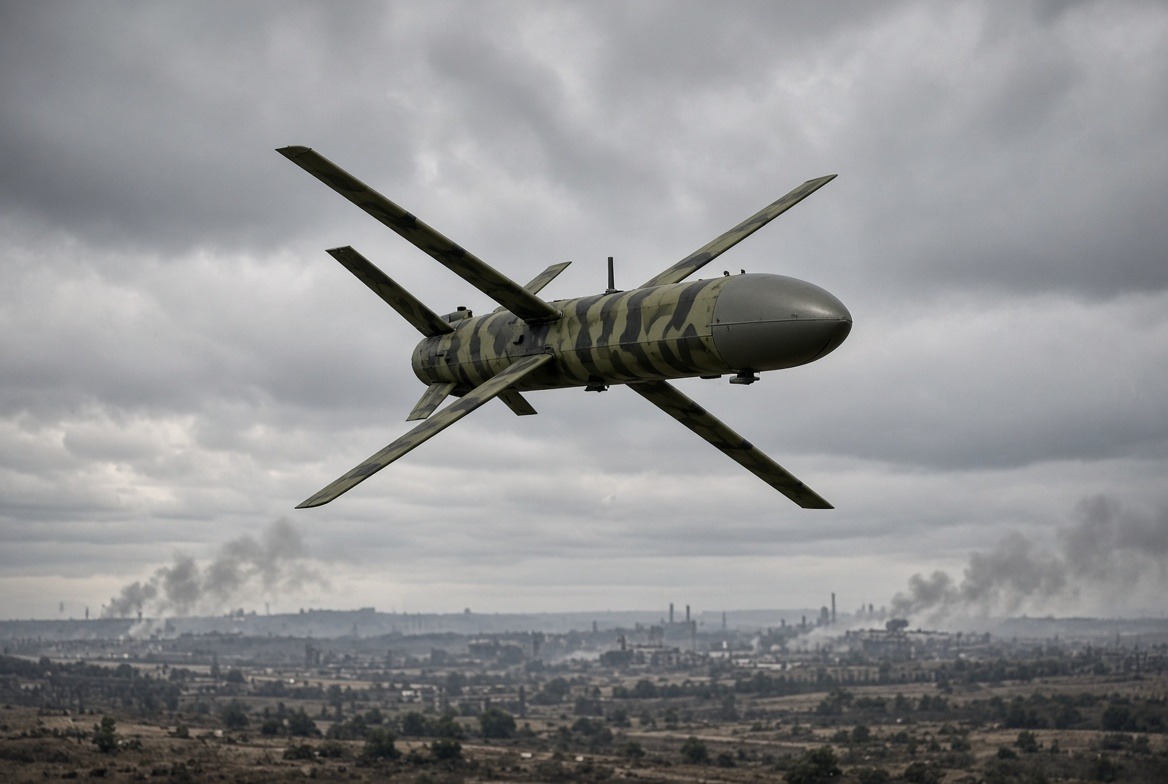
Sudan’s protracted civil war has entered a dangerous new phase, as drone strikes orchestrated by warring factions have inflicted unprecedented devastation. A recent report highlights that these aerial attacks have resulted in more than 1,630 civilian casualties within ten months—constituting nearly 75% of all recorded civilian deaths across the nation during the same timeframe. This alarming shift in conflict dynamics underscores the grim evolution of warfare in Sudan.
How drone strikes are exploiting Sudan’s vulnerable communities
The human toll is staggering, but the impact extends far beyond individual lives. Investigations reveal a systematic campaign targeting the essential infrastructure that sustains Sudanese communities. Documented offensives have devastated:
- Vital civilian markets, where families gather to access food and daily necessities;
- Public infrastructure such as hospitals, schools, and transport networks, often under indiscriminate fire;
- Critical resources like fuel reserves, power plants, and water purification facilities, plunging entire regions into chaos.
The hardest-hit areas are Kordofan and Darfur, with Kordofan alone accounting for over 66% of civilian fatalities. Once the economic backbone of Sudan, these regions now host communities living under perpetual threat, where homes, schools, and medical facilities are treated as potential military targets.
From political upheaval to technological warfare: tracing Sudan’s descent into chaos
To grasp the origins of this humanitarian catastrophe, it’s essential to examine the political fractures that set Sudan on this destructive path.
The 2019 revolution: a fleeting promise of change
In April 2019, public demonstrations culminated in the ousting of Omar al-Bashir, who had ruled Sudan for three decades. A transitional government emerged, blending civilian and military leadership under the guidance of General Abdel Fattah al-Burhan and his deputy, Mohamed Hamdane Daglo—commonly known as “Hemetti.” Hemetti, a former Janjaweed militia commander, had amassed considerable power through gold trading and military expansion.
The 2021 coup: democracy’s untimely end
By October 2021, the fragile partnership between civilian and military leaders collapsed. The generals seized control in a coup, dismantling Sudan’s fragile democratic institutions. With opposition forces suppressed and dissent silenced, power became concentrated in the hands of two rival commanders.
The 2023 escalation: war engulfs Sudan’s heartland
On April 15, 2023, violence erupted in Khartoum, rapidly spreading to Darfur and Kordofan. What began as a power struggle between al-Burhan and Hemetti escalated into a full-blown war of annihilation. Once allies, the Sudanese Armed Forces and the Rapid Support Forces (RSF) now turned their fire on each other—and increasingly, on innocent civilians.
2024–2026: A conflict fueled by foreign intervention and drone warfare
What should have been a short-lived power struggle has devolved into a prolonged and brutal conflict. With an influx of international arms, both factions have increasingly relied on armed drones, shifting the battlefield away from traditional front lines. The aftermath has included ethnic cleansing in Darfur and the fall of pivotal cities like El-Fasher in late 2025, followed by a relentless drone campaign. Today, over 25 million Sudanese face severe food insecurity and the imminent collapse of humanitarian aid.
Drones in Sudan: a violation of war’s fundamental principles
International observers emphasize that these drone strikes breach core tenets of international humanitarian law. Civilians are no longer incidental casualties—they are systematically targeted. The use of remotely operated drones, often controlled from outside Sudan, exacerbates accountability challenges and fosters a culture of impunity. As the death toll climbs, global responses remain painfully inadequate, leaving victims without justice.
Will the world intervene before Sudan’s cities are rendered unlivable?
The question is no longer hypothetical: is the international community prepared to stop the relentless aerial assault devastating Sudan’s urban centers? With millions displaced and entire communities living under the constant threat of drone surveillance, the survival of Sudan—and the integrity of international humanitarian law—hangs in the balance.