

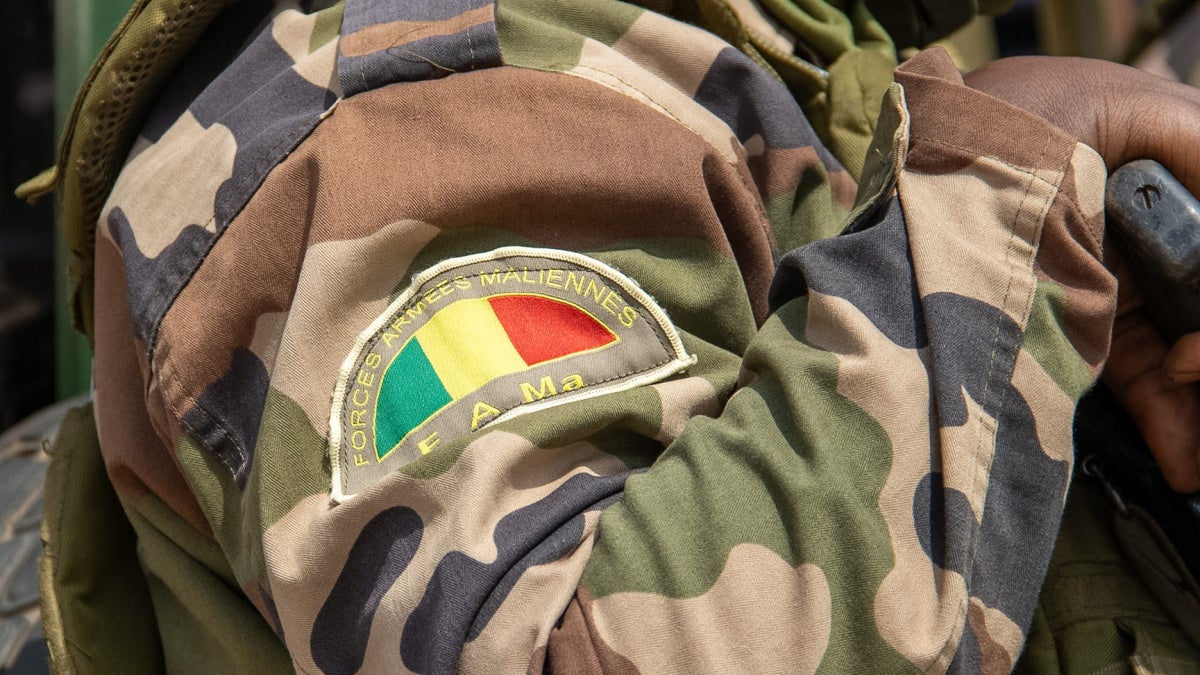
The Malian Armed Forces (FAMA) and allied dozo militias stand accused of executing at least 31 civilians and torching homes in two villages of the conflict-stricken Ségou region on October 2 and 13, according to local testimonies gathered by field investigators.
October massacres leave deep scars in central Mali
On October 2, soldiers in camouflage uniforms and dozo militiamen on motorcycles stormed the village of Kamona, searching door-to-door for men. Survivors report that those unable to flee were gathered and shot. At least 21 men were killed and 10 homes reduced to ashes. Witnesses say that jihadist fighters had warned villagers of the army’s approach, prompting many to escape before the violence erupted. No clashes between the army and armed groups were reported in the area.
Seventeen bodies were later found beneath a single tree, with four more discovered north of the village. All victims were males aged 20 to 65, their bodies riddled with bullets. A local shepherd recounted finding 17 bodies in a hidden house, describing how one victim’s head had been “completely shattered.” Survivors believe at least 15 additional men may have been killed in nearby bushland, though fear prevented them from confirming the full toll.
On October 13, the same pattern unfolded in Balle, a village reportedly under the control of the Group for the Support of Islam and Muslims (JNIM) for years. Soldiers in five pickup trucks and dozo fighters on at least 30 motorcycles arrived around 1 p.m., triggering panic among residents. A 24-year-old man, who initially hid, witnessed soldiers kicking and slapping villagers before opening fire. Ten civilians—nine men and one 55-year-old woman—were killed, and over a hundred cattle were stolen. The victims lay side by side, some with broken limbs, their bodies bearing the marks of close-range gunfire.
Local voices demand justice and accountability
Residents of Balle said they had paid Islamic taxes (zakat) to JNIM for years, with the group settling disputes and providing security. “There are no soldiers, gendarmes, or police here. The army sees no difference between us and the jihadists,” one elder explained. The military’s indiscriminate raids have left civilians trapped between armed groups and state forces, with no protection in sight.
Local leaders and activists stress that these attacks are part of a broader pattern of violence in central Mali. Since 2012, successive governments have waged war against Islamist armed factions, leaving thousands dead and more than 400,000 displaced. Reports from human rights monitors document grave violations by both state forces and allied militias, as well as atrocities committed by armed groups like JNIM.
The recent surge in hostilities follows JNIM’s siege of Bamako in early September, which cut off fuel supplies to the capital and forced the military junta to shutter schools nationwide. The escalation has intensified pressure on civilians caught in the crossfire, with no clear end to the suffering in sight.
Calls for independent investigations and regional action
Human rights advocates insist that Malian authorities must conduct transparent, impartial probes into the October killings and hold perpetrators accountable. “The massacres in Ségou are the latest in a long line of atrocities linked to the army and its allies,” a senior researcher noted. “Without credible justice, the cycle of violence will only deepen.”
The African Union (AU) has faced criticism for its limited response to Mali’s deepening crisis, despite its mandate to uphold peace and security. Analysts argue that the AU’s Peace and Security Council must prioritize the conflict, stepping up diplomatic efforts and coordinating regional and international action to address abuses by all parties.