

As diplomatic efforts stall over the Western Sahara dispute, Morocco is making strides in advancing its regionalization agenda, signaling a strategic pivot in its approach to domestic governance and regional influence.
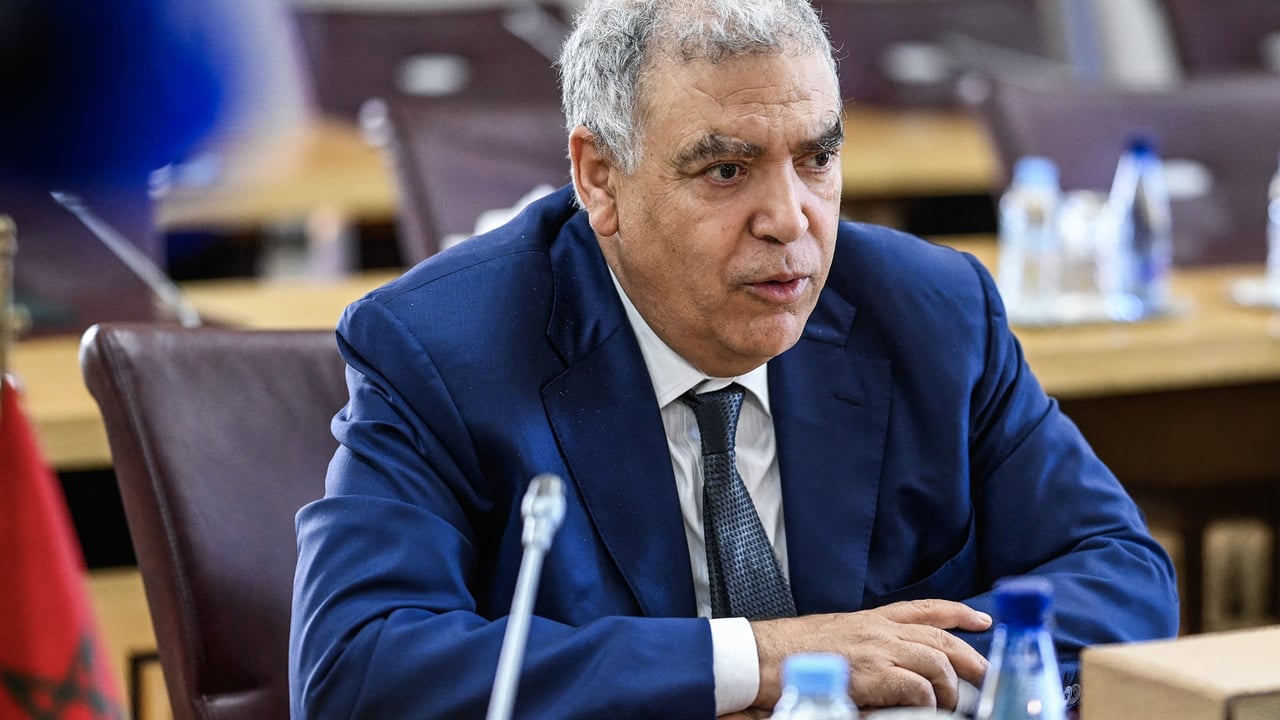
Interior Minister Abdelouafi Laftit confirmed the government’s commitment to empowering local authorities through legislative reforms designed to enhance administrative efficiency and economic vitality across Morocco’s regions. The proposed measures aim to decentralize decision-making while reinforcing the kingdom’s territorial integrity, a move observers view as both timely and transformative.
Why regionalization matters now
Morocco’s push for deeper regionalization comes at a critical juncture. Despite persistent Western Sahara negotiations yielding little progress, Rabat is doubling down on initiatives that strengthen internal cohesion and governance. The reforms, centered on fiscal autonomy and resource allocation, are expected to streamline public service delivery and stimulate economic growth in historically underserved areas.
Key provisions of the draft law include:
- Enhanced budgetary powers for regional councils, allowing them greater control over local development projects.
- Streamlined administrative processes to reduce bureaucratic hurdles and accelerate infrastructure investments.
- Incentives for private sector engagement in regional economies, particularly in sectors like renewable energy and tourism.
- Strategic alignment with Morocco’s long-term vision for balanced territorial development.
Reactions and expectations
Political analysts anticipate both domestic and international responses to these reforms. While supporters praise the initiative as a bold step toward modernization, critics argue that without tangible progress on the Western Sahara front, Morocco risks diluting its diplomatic leverage. Meanwhile, neighboring countries are closely monitoring the developments, wary of potential shifts in regional power dynamics.
Public reception appears cautiously optimistic, with many citizens expressing hope that the reforms will translate into tangible improvements in their daily lives. Local leaders, in particular, have welcomed the move, highlighting the potential for job creation and improved public services as key benefits.
The government has emphasized that regionalization is not a departure from Morocco’s diplomatic priorities but rather a complementary strategy to bolster national resilience. As discussions on Western Sahara continue, Rabat’s focus on internal governance signals a pragmatic approach to navigating a complex geopolitical landscape.