
A striking paradox is currently unfolding within the Moroccan healthcare system. While several public health facilities have faced a total lack of rapid HIV tests for over a year, forcing patients to leave without being screened, local manufacturers are sitting on ready-to-deliver stocks. This shortage is not merely a logistical hiccup but a deeper failure in the public procurement system, where the legal principle of national preference appears to be largely ignored.
Legal framework vs. administrative reality
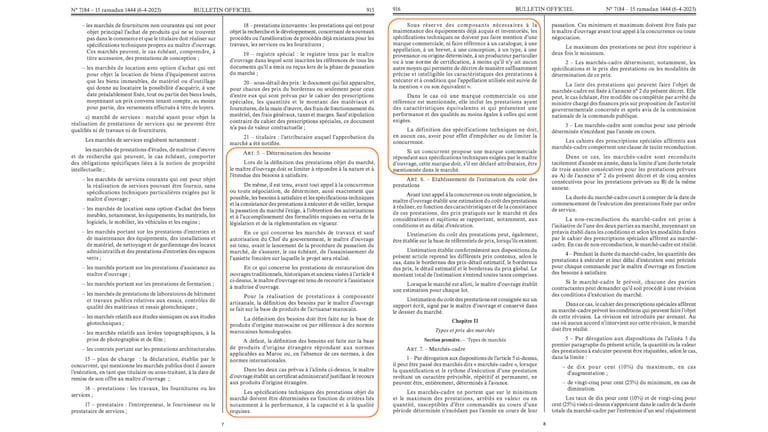
The legal landscape in Maroc is quite clear on this matter. Decree No. 2.22.431, which governs public contracts, includes a mechanism for national preference. It explicitly requires that technical specifications be based on performance and functional requirements rather than specific brands, origins, or patents. According to Abdelhay Rhorba, a professor at Hassan II University in Casablanca and a specialist in administrative law, any breach of this principle is legally actionable.
Expert analysis suggests that setting excessively rigid technical conditions or requiring certifications that only a specific competitor holds violates the principle of equal opportunity. This can be viewed as an abuse of power. In the Maroc administrative court system, if a tender document effectively excludes local producers without justification, it can be legally challenged through formal appeals or even criminal proceedings if corruption is suspected.
A system favoring imports
On the ground, industry professionals describe a frustrating situation. Technical requirement documents are often drafted based on foreign products previously used, effectively locking out local innovation. One anonymous Maroc manufacturer revealed that while they export to several other African nations, they hold less than 2% of the domestic public market in their sector. Requests for clarification regarding these biased tenders are often met with silence.
This internal contradiction extends to the government level. While the Ministry of Finance recently increased customs duties on imported medical devices to bolster local industry, the Ministry of Health continues to procure expensive imported goods, ignoring competitive local alternatives.
The Ministry of Health’s supply division maintains that it operates within the law, stating that tenders are open to all qualified operators. However, they clarify that their focus is on the company’s location in Maroc rather than where the product is actually manufactured. This means an importer based in the country is treated the same as a local factory.
The impact of supply disruptions
The case of HIV tests is particularly concerning. The Ministry has acknowledged “occasional tensions” in supply, blaming procurement procedures and global supply chain issues. Yet, observers remain skeptical: why have these shortages lasted for months when local, certified stocks were available? While the Ministry denies using direct “private” negotiations for 2025 acquisitions, insisting on open tenders, some industry sources suggest otherwise.
Beyond the legalities, the real issue is health sovereignty. Professor Jaafar Heikel, a prominent infectiologist, notes that while traditional lab tests are still available, the loss of rapid tests is devastating for outreach. Organizations like OPALS and ALCS rely on these tools to reach vulnerable populations who might never visit a standard laboratory.
Threats to the 2030 health targets
Maroc has committed to the ONUSIDA 95-95-95 goals: ensuring 95% of people living with HIV know their status, 95% of those are treated, and 95% of those treated have an undetectable viral load. These targets, aimed at ending AIDS as a public health threat by 2030, depend heavily on widespread and accessible testing.
The current situation risks discouraging national investment just when the country needs it most. If local innovators find themselves systematically excluded, they may stop investing in the domestic market, leaving Maroc dependent on foreign imports for products it is perfectly capable of producing itself.