
The Roots of Niger’s Press Freedom Decline
The July 2023 military takeover in Niger marked a seismic shift not just in politics but in the operational landscape for journalists across the country. Under General Abdourahamane Tiani’s transitional leadership, press freedom rapidly eroded as security forces intensified scrutiny over media outlets. Critical reporting on governance, military affairs, or regional alliances became increasingly perilous—illustrating how political upheaval directly reshapes the informational ecosystem.
Moussa Kaka: from prominence to precarity
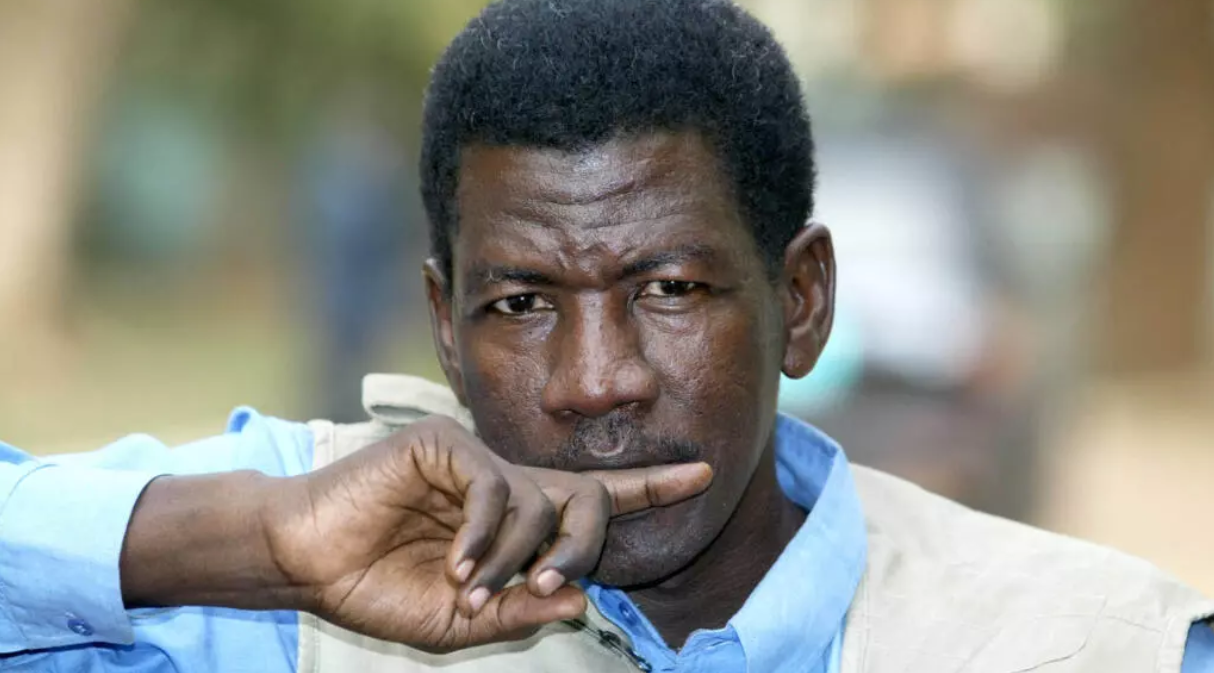
Veteran journalist Moussa Kaka’s vanishing act has sent shockwaves through Niger’s media circles. The 31 August 2026 disappearance of the Radio-Télévision Saraounia director, whose four-decade career included roles with international outlets, underscores the fragility of press freedom in the post-coup era. His last known movements—a routine departure from his Niamey office—ended abruptly at an undisclosed location, leaving colleagues scrambling for answers.
The alarm bells of precedent: what Serge Mathurin Adou’s case revealed
Serge Mathurin Adou’s September 2024 detention following a judicial summons exposed the deliberate opacity surrounding arrests in Niger. For weeks, his family and colleagues navigated uncertainty until official confirmation of his whereabouts emerged—only to reveal a politically charged prosecution for alleged state destabilization linked to Burkina Faso. The episode highlighted a troubling pattern: disappearances as prologues to prolonged detentions without due process.
Legal weaponry and systemic suppression
2023–2024: The early crackdown
Post-coup measures swiftly escalated. International broadcasters such as RFI and France 24 faced signal suspensions, while local journalists confronting sensitive topics—including Samira Sabou’s secret detention—became targets. Her 30 September 2023 abduction by plainclothes officers and subsequent secret detention underscored the regime’s intolerance for critical scrutiny.
By 2024, arrests proliferated:
- Ousmane Toudou, former presidential advisor, was detained on state security grounds; and
- Soumana Idrissa Maïga, editor of *L’Enquêteur*, was jailed over an exposé on suspected surveillance equipment in government buildings.
The trajectory pointed toward judicialization of dissent: charges like “defense national breaches” weaponized against reporting deemed inconvenient.
2025: Intensification and international scrutiny
The new year brought renewed pressure. Notable cases included:
- Seyni Amadou, arrested after a government performance “barometer” aired on Canal 3 TV; and
- Gazali Abdou Tasawa, Deutsche Welle correspondent detained over migrant/refugee conditions coverage.
A coordinated October 2025 raid snared six media professionals, including Kaka, over a leaked press conference invitation. While three were released under judicial supervision, prolonged detention became a hallmark—reaching nearly ten months for Ibro Chaibou before his August 2026 release.
The statistical portrait: repression quantified
Media Foundation for West Africa data reveals at least 13 detentions in 2025 alone—a figure that captures both short-term and extended arrests. Compounding pressures emerged via legal statutes such as the cybercrime law, which criminalizes online content, further chilling journalistic investigation.
Reporters sans frontières’ damning verdict
In 2025, Niger ranked 83rd in RSF’s press freedom index; by 2026, it plummeted to 120th—a 37-place collapse symptomatic of the junta’s systematic curbs on dissenting voices.
The paradox of absence: law versus accountability
Kaka’s disappearance stands as the latest crisis in a cycle of enforced silence. The lack of transparent investigative mechanisms leaves families, colleagues, and citizens in the dark—mirroring the very opacity journalists are expected to expose. In a climate where 13 detentions in one year signal systemic hostility, the vacuum of information surrounding his case demands urgent action to restore press integrity and public trust.
What lies ahead for Niger’s journalistic landscape
The stakes transcend individual fate. Without guarantees for journalists’ safety, the country’s democratic fabric frays—eroding civic access to unbiased reporting. As the regime navigates domestic instability and regional tensions, the erasure of critical voices risks normalizing authoritarian control over information flows. Ultimately, Kaka’s absence isn’t just a personal tragedy; it’s a barometer of Niger’s struggle to reconcile power with press freedom.