
The pattern is unmistakable, a grim cycle that refuses to break. In Niamey, leadership shifts like seasons, yet the method remains stubbornly unchanged. When heavy gunfire and explosions tore through the night near the presidential palace and airbase, citizens held their breath—not out of surprise, but recognition. Whether sparked by disgruntled garrison mutineers or fractures at the top of the military command, these clashes aren’t random: they’re the inevitable result of regimes forged in the barrel of a gun.
Why military juntas dig their own graves
Three years after the July 2023 ousting of civilian rule, history delivers its harsh verdict: leaders who seize power by force ultimately fall victim to the same weapon. This isn’t coincidence—it’s the structural reality of military rule.
Transition fatigue sets in
A three-year transition stretches far beyond the temporary patience a people are asked to endure. What began as cautious hope erodes into frustration as the promise of renewal curdles into a desperate bid to cling to power. Without a clear democratic path forward, the junta’s noble declarations ring hollow, and the population’s patience wears thin.
Security promises crumble under fire
The 2023 coup was justified as a necessity: to restore security and national dignity. Yet decrees alone can’t erase the harsh truth on the ground. When attacks continue to claim soldiers’ lives despite nationalist rhetoric and geopolitical realignments, the narrative loses its grip. Doubt seeps first into the barracks, then spreads to the streets.
The gun replaces the ballot
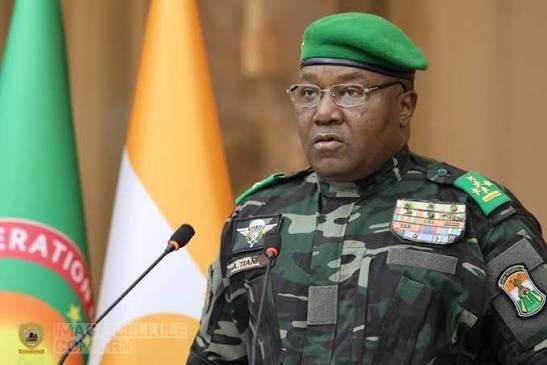
By overturning a constitutional order, the military National Council (CNSP) did more than seize power—it taught the nation an unintended lesson: force is the only language the state understands. When General TIANI’s rise proves that a rifle can place a man in the presidential chair, he unwittingly hands every colonel, captain, and faction the same instruction. The army, once a unified shield, fractures into a battleground of competing ambitions. Official reports now frame the August 28 unrest as an internal military mutiny.
The annals of Niger’s political history—from Seyni Kountché to Ibrahim Baré Maïnassara to Salou Djibo—reveal a bitter truth: regimes born of bayonets carry the seeds of their own destruction within them.
The gunfire echoing outside power centers is merely the latest reminder. Until legitimacy is rooted in a civic and republican pact, Niamey’s leadership will remain hostage to the next spark from the barracks. After all, a gun has no loyalty—it serves the hand that wields it, today and tomorrow.