
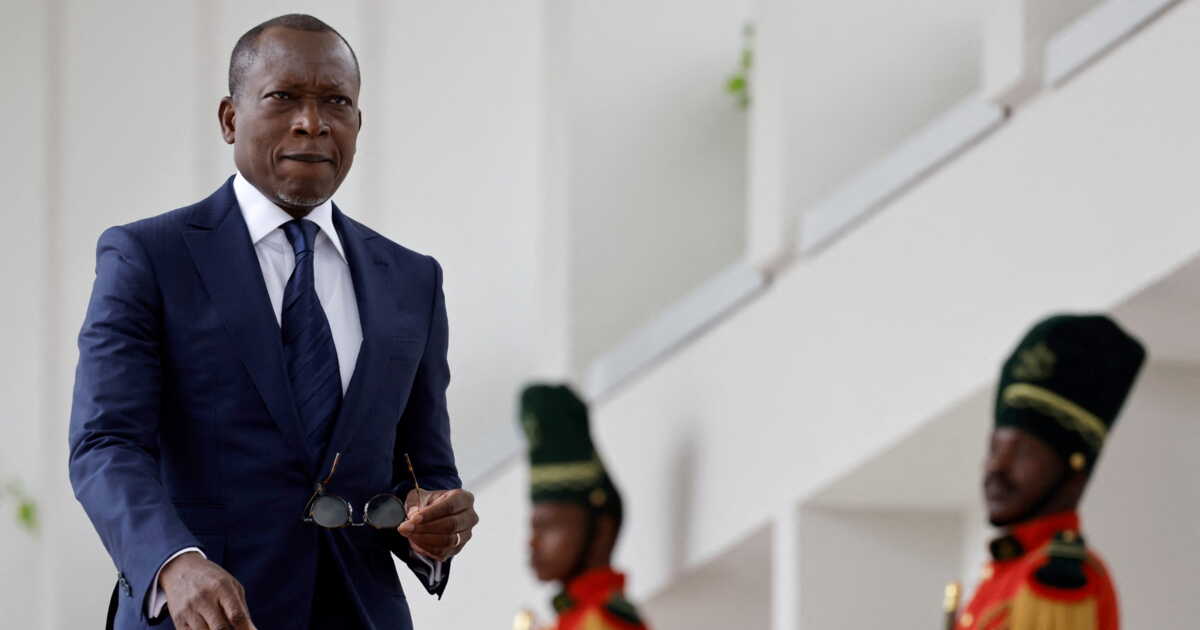
The Bénin is currently facing a critical political crisis after a failed coup d’état over the weekend. The situation has drawn regional attention as neighboring countries react to the instability in this West African nation.
In recent years, West Africa has experienced a wave of political upheavals, particularly in the Sahel region, including Guinée, Guinée-Bissau, Burkina Faso, Niger, and Mali. These coups have often been framed as a rejection of former colonial powers, notably France.
In response to the crisis in Bénin, France has reaffirmed its support for political stability in the region. President Emmanuel Macron has emphasized “coordination efforts” and “regional information sharing” with key partners, including President Patrice Talon of Bénin, who was the target of the attempted coup. Discussions have also involved Nigeria and Sierra Leone, which currently holds the presidency of the Economic Community of West African States (CEDEAO).
A senior advisor to Macron stated, “France fully supports CEDEAO’s initiatives, which have played a crucial role in managing the situation over the past days.”
attempted coup and military response
On Sunday morning, eight soldiers appeared on national television in Cotonou, announcing the ousting of President Patrice Talon. However, the government quickly dismissed the claims, stating that the situation was “completely under control.” Authorities reported “multiple casualties” from clashes between mutineers and loyal forces.
To restore order, Bénin received military assistance from Nigeria, which conducted airstrikes on the Togbin military base in Cotonou, where the mutineers had taken refuge after their televised announcement. Nigerian ground troops also played a key role in retaking the base overnight.
The CEDEAO swiftly responded by announcing the deployment of military reinforcements from four member states to “preserve constitutional order.”
regional instability and electoral concerns
Omar Alieu Touray, President of the CEDEAO Commission, declared on Tuesday that the region is in a state of emergency, citing both the spread of jihadist threats and the rise in coups. Twelve soldiers have been arrested, but the leader of the mutineers, Lieutenant-Colonel Pascal Tigri, remains at large along with some accomplices. The hostages taken during the coup—including the army chief of staff, Abou Issa, and the national guard chief, Faïzou Gomina—were released on Monday.
Life in Cotonou, the economic hub of Bénin, has largely returned to normal. President Talon, who has led the country since 2016, is set to leave office in April following the presidential election, as the constitution limits presidents to two terms.
Patrice Talon has been credited with driving economic growth but has faced criticism for adopting increasingly authoritarian measures in a country once praised for its democratic resilience. His preferred successor, Finance Minister Romuald Wadagni, is the frontrunner in the upcoming election, which has excluded the main opposition party, Les Démocrates, due to insufficient endorsements.
Thomas Boni Yayi, a former president and leader of Les Démocrates, condemned the coup attempt, stating, “I strongly and firmly condemn this bloody and despicable attack on our nation.” He also called for “free and transparent elections.”
Touray highlighted that elections have become a major trigger for instability in the region, adding that “electoral inclusivity is eroding in several CEDEAO states.”