The deep roots and modern impact of the United States-Morocco alliance during the Ceuta migration surge
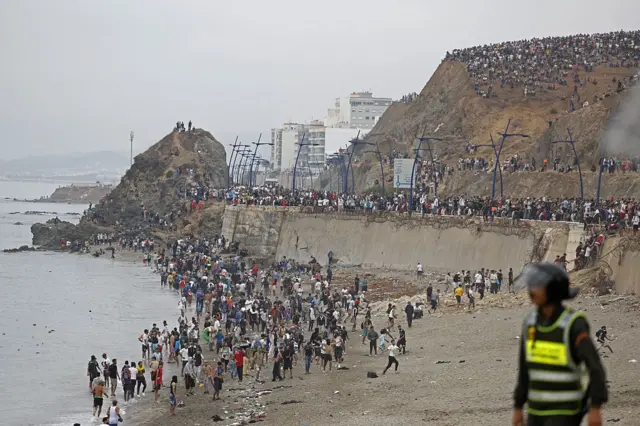
The United States and Morocco share a partnership that spans centuries, rooted in mutual strategic interests. From an early friendship treaty to modern military cooperation, this bond has evolved into a cornerstone of North African geopolitics. Recent events in Ceuta have underscored how deeply these ties influence regional dynamics, particularly during the 2026 migration surge that claimed over 140 lives.
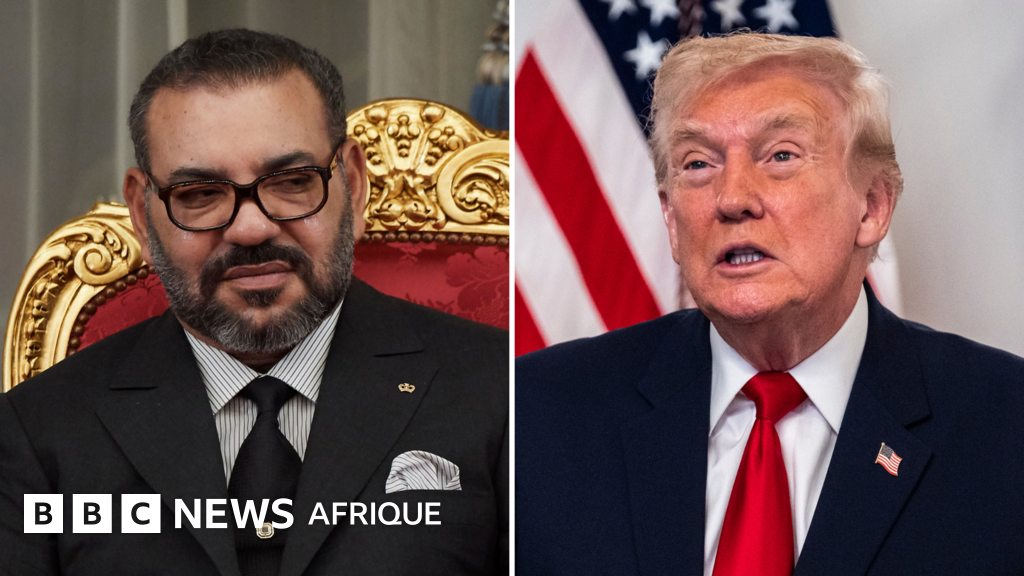
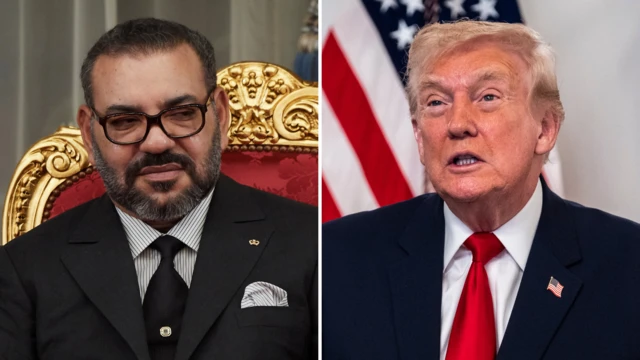
The Moroccan monarch renamed a 1,000-kilometer highway in the Sahara Desert after former US President Donald Trump, a symbolic gesture of gratitude for Washington’s endorsement of Rabat’s claims over the disputed territory. This move followed the unprecedented influx of over 70,000 individuals crossing into the Spanish enclave, sparking one of the most severe migration crises in recent history.
Washington’s response to the crisis revealed the depth of its alliance with Morocco, contrasting sharply with tensions within NATO over the incident. The US administration framed the events as a consequence of European migration policies, avoiding criticism of Morocco despite its pivotal role in the unfolding disaster.
From historic friendship to modern partnership
Long before the modern republics of the United States and Morocco emerged, their relationship began with a foundational agreement. In 1786, the two nations signed the Treaty of Peace and Friendship in Marrakech, marking the first formal diplomatic recognition of the newly independent United States.
At the time, the young American republic faced threats from Barbary corsairs operating from North African ports. The treaty granted American ships safe passage through Moroccan waters and secured access to key ports, while also opening doors for trade and commerce. Historian Timothy W. Kneeland notes that Morocco’s strategic location at the crossroads of Europe, Africa, and the Islamic world provided Washington with a critical foothold in global diplomacy.
Despite the treaty’s enduring legacy, the relationship remained relatively dormant for decades. Morocco’s division into French and Spanish protectorates in 1912 delayed further diplomatic engagement until the US formally recognized the colonial order in 1917. Following Morocco’s independence in 1956, Washington quickly established an embassy in Rabat, signaling its commitment to the new sovereign state.
Security, trade, and Sahara sovereignty
Security cooperation between the two nations predates Morocco’s independence. In 1950, the US and France collaborated to establish air bases in the country, a partnership that laid the groundwork for future military collaboration. The relationship deepened significantly in the aftermath of the 9/11 attacks, as Washington identified Morocco as a vital ally in the fight against international terrorism.
In 2004, the US designated Morocco as a Major Non-NATO Ally, a status that facilitated access to advanced weaponry and military training. The kingdom has since hosted African Lion, the largest annual military exercise conducted by US Africa Command (AFRICOM). Joint counterterrorism efforts, including special forces training and coordination within the international coalition against ISIS, have further solidified this alliance.
Economically, the 2006 US-Morocco Free Trade Agreement remains the only such accord between Washington and an African nation. By 2025, bilateral trade had surged to $7.4 billion, a substantial increase from $927 million in 2005, with the US maintaining a significant trade surplus. While modest in the context of American commerce, the agreement has strengthened economic ties and fostered stability in the region.
Diplomatically, Morocco achieved a major victory in December 2020 when the US recognized its sovereignty over the Western Sahara. This decision, made under the framework of the Abraham Accords, aligned with Washington’s view that Morocco’s autonomy proposal represents the most viable path to resolving the long-standing conflict.
“Morocco stands as the most successful participant in the Abraham Accords,” noted researcher Sarah Yerkes. “The normalization of relations with Israel has endured despite the Gaza conflict and remains firmly established.”
The Morocco-US-Spain triangle in the Ceuta crisis
The migration surge into Ceuta exposed fractures within the Washington-Rabat-Madrid triangle. Spain, a key NATO ally hosting American military bases in Rota and Morón, found itself at odds with both partners. While Madrid blamed human traffickers and social media for the crisis, accusations emerged that Morocco may have deliberately relaxed border controls.
Washington’s response was unequivocal in its alignment with Rabat. The Trump administration framed the crisis as a failure of European migration policies, even criticizing Spanish defense spending and its veto on using NATO bases for operations against Iran. The White House went so far as to label the events a “catastrophe” comparable to an “invasion,” while simultaneously absolving Morocco of any responsibility.
“Washington did not question Morocco’s role in the crisis,” explained Yerkes. “Instead, it focused its criticism on Spain’s handling of migration, highlighting the depth of the US-Morocco partnership.”
Experts suggest that Morocco’s strategic importance to the US may grow further, particularly as Spain’s restrictions on military operations in the region complicate Washington’s strategic planning. In a message marking Morocco’s Throne Day, former President Trump emphasized the alliance’s resilience, stating, “This year, we celebrate 250 years of American history and an unbreakable friendship with Morocco, built on mutual trust and respect.”
He reiterated US support for Moroccan sovereignty over Western Sahara and expressed hope for continued cooperation in all sectors. The alliance, forged over centuries, now stands as a pillar of stability in North Africa, shaping responses to migration, trade, and security challenges across the region.