
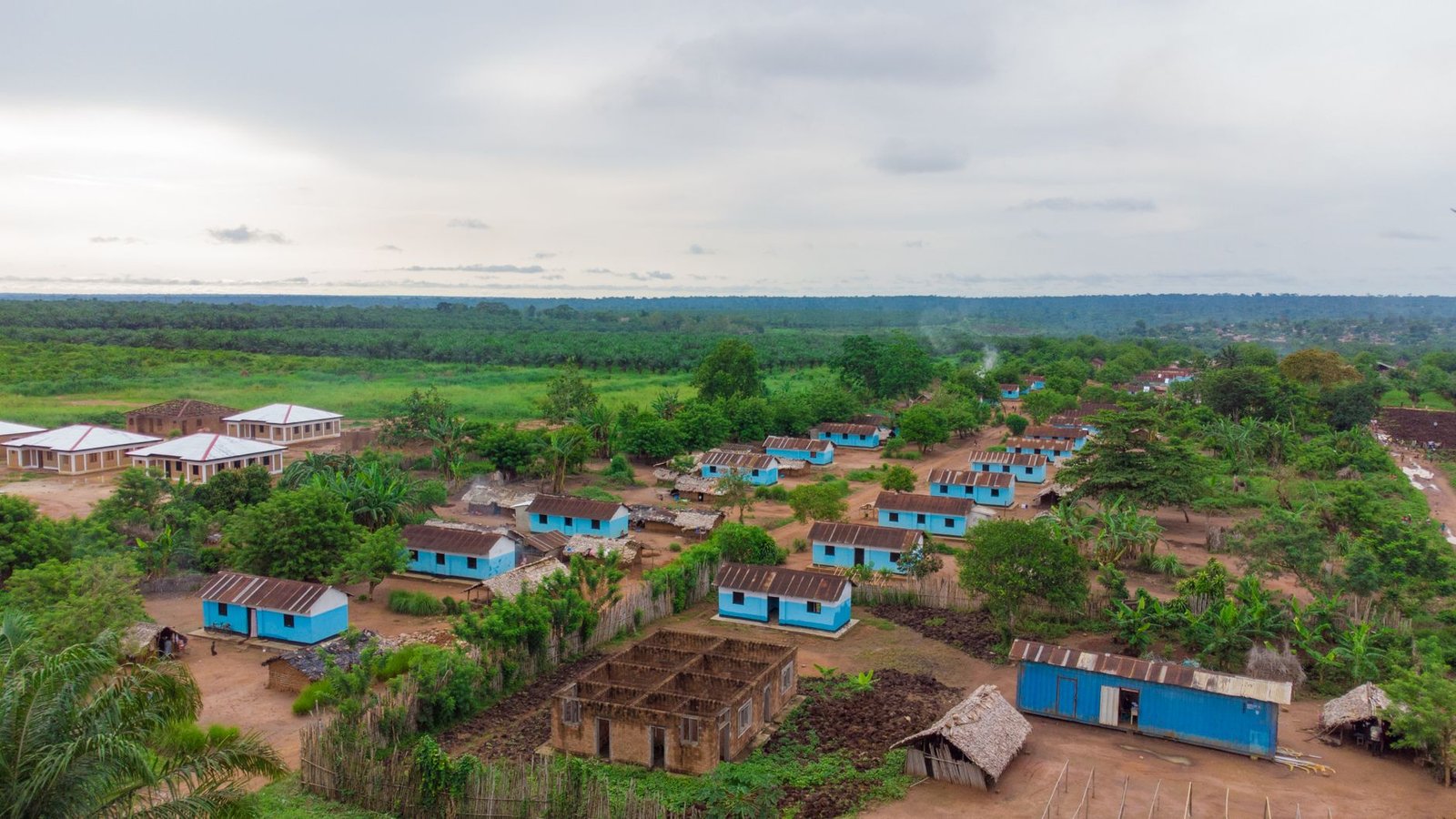
In the eastern reaches of the Democratic Republic of the Congo, Ituri province has once again been struck by brutal violence. Allied Democratic Forces (ADF), an Islamist militant group of Ugandan origin, are suspected of carrying out a deadly nighttime raid that left at least 13 civilians dead and an entire village reduced to ashes. Local authorities report the attack as part of a relentless pattern of violence targeting rural communities across the region, despite ongoing military operations aimed at restoring stability.
Another brutal chapter in a long-suffering land
The assailants struck under cover of darkness, singling out unarmed civilians before setting fire to homes and structures. The assault left the village in ruins, forcing survivors to abandon their homes and seek refuge in nearby settlements with little more than the clothes on their backs. The tactics used—swift raids on civilian targets, systematic arson, and the use of melee weapons to conserve ammunition—mirror the ADF’s long-documented modus operandi, which has terrorized northeastern Congo for more than a decade.
Ituri, a province bordering Uganda and South Sudan, remains one of the most volatile regions in the country. Beyond the ADF threat, intercommunal clashes between Hema and Lendu militias continue to destabilize the area, while local armed groups exploit artisanal mining operations. Since May 2021, the province has been under a state of siege, placing civilian administration under military control—yet security conditions have shown little improvement.
Operation Shujaa faces mounting challenges
Since late 2021, the Armed Forces of the Democratic Republic of the Congo (FARDC) have been conducting a joint counterinsurgency operation, codenamed Shujaa, alongside Uganda’s People’s Defence Forces (UPDF). The mission’s goal: dismantle ADF strongholds in North Kivu and Ituri. Nearly four years into the campaign, results remain mixed. While several rebel bases have been destroyed, fighters have dispersed into smaller, mobile cells that now focus on striking isolated villages rather than confronting military convoys.
This scattered approach to insurgency presents a major obstacle to countermeasures. The ADF leverages the dense equatorial forests, porous borders, and near-total absence of communication infrastructure to launch attacks and vanish before security forces can respond. Each deadly assault fuels growing frustration in Kinshasa, where opposition voices increasingly criticize the government’s failure to protect civilians—despite substantial military deployments and the ongoing, gradual withdrawal of the United Nations stabilization mission in the DRC (MONUSCO), initiated in 2024.
A fragile security puzzle with no clear solution
The phased withdrawal of UN peacekeepers has left a security vacuum that the FARDC struggle to fill. In neighboring South Kivu and North Kivu, the resurgence of the M23 rebellion—widely reported to receive external support—has absorbed much of the government’s military attention. As a result, Ituri has slipped down the priority list in Kinshasa’s security agenda, even as attacks in the province grow in frequency and intensity this year.
On the humanitarian front, conditions are reaching breaking point. Hundreds of thousands of displaced people are surviving in overcrowded, undersupplied camps around Bunia, the provincial capital. Aid organizations warn of worsening food and medical shortages, while recurring village burnings—like the one that just occurred—push more families into homelessness and deepen rural economic fragility.
For the central government, the stakes extend beyond military concerns. Stabilizing Ituri is crucial to restoring state credibility, securing trade routes to East Africa, and enabling the peaceful exploitation of one of the continent’s richest mineral reserves. Until the ADF’s disruptive capacity is neutralized, investors in mining and logistics remain hesitant, depriving the province of the resources it desperately needs for recovery. Early reports suggest the death toll from this latest attack may rise in the coming hours.