
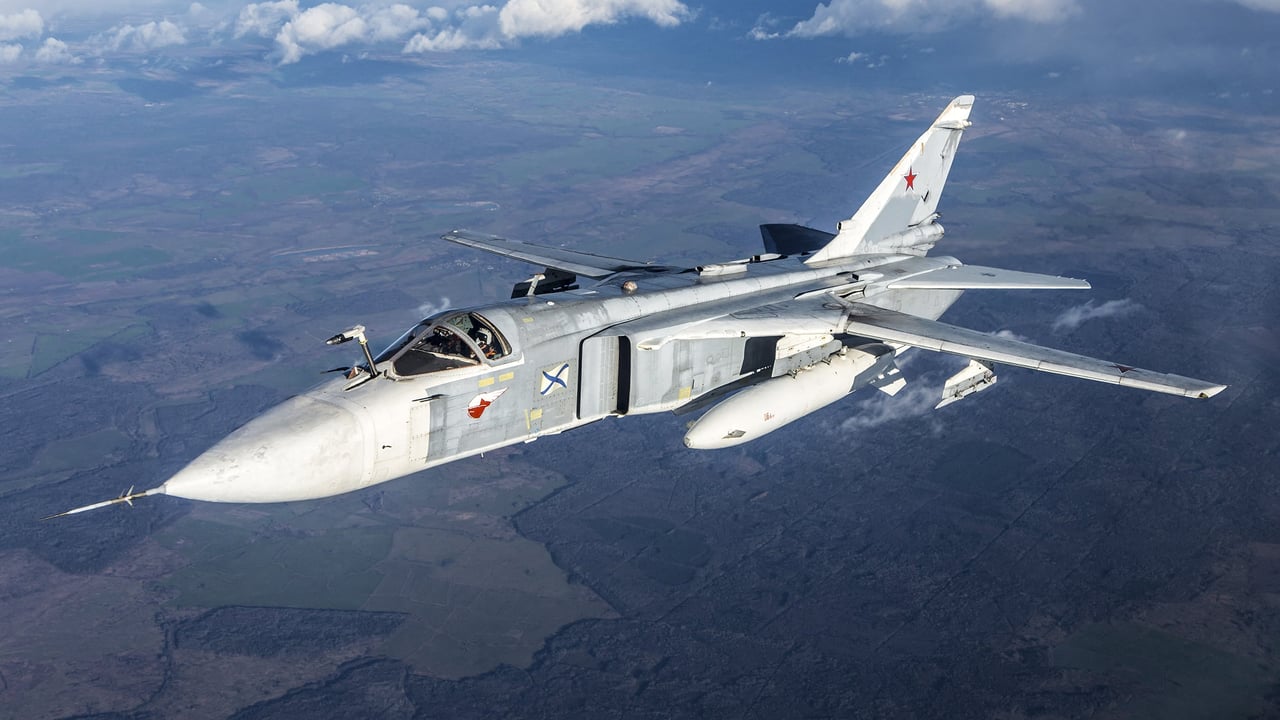

During the night of May 16-17, 2026, residents of the remote village of Tadjmart, located in the Kidal region of northern Mali, witnessed a devastating aerial attack. From above, hundreds of metallic spheres—each no larger than a grapefruit—rained down on the settlement, detonating upon impact with the ground or structures. The attack resulted in multiple fatalities and severe injuries among civilians.
The next morning, survivors discovered their homes and surroundings littered with unexploded ordnance, compounding the tragedy. Local authorities and humanitarian organizations are currently assessing the extent of the damage and casualties.
Allegations against Russia’s Africa Corps
Investigations point toward the involvement of the Africa Corps, a Russian-backed military unit, in the deployment of cluster munitions in the Kidal region. Cluster bombs are internationally condemned due to their indiscriminate nature, often causing long-term harm to civilian populations long after initial deployment.
Human rights organizations have expressed grave concerns over the use of such weapons in populated areas, emphasizing the severe humanitarian consequences. The incident has sparked outrage across West Africa, with calls for accountability and international intervention.
Broader implications for regional security
This alleged attack underscores the escalating security challenges in the Sahel region, where armed groups and foreign military operations continue to destabilize communities. The deployment of cluster munitions in Mali not only violates international humanitarian law but also exacerbates the humanitarian crisis in an already volatile environment.
As the international community grapples with the fallout from this incident, questions arise about the role of external actors in fueling conflict in the Mali and the broader Sahel region. The incident in Tadjmart serves as a stark reminder of the urgent need for diplomatic solutions to curb the proliferation of such devastating weapons.
Next steps and international response
Humanitarian agencies are mobilizing to provide medical aid and support to affected communities in Kidal. Meanwhile, legal experts are examining evidence to determine accountability for the use of cluster munitions. The incident has prompted renewed calls for stricter enforcement of international arms control agreements and greater transparency in military operations across the Sahel.
The alleged involvement of the Africa Corps in this attack highlights the complex geopolitical dynamics at play in the region. As investigations continue, the international community faces mounting pressure to address the humanitarian and security fallout from such incidents.