
Following a recent incident near Bullock, the nations of Senegal and Gambia have officially announced the finalization of a « definitive agreement » aimed at precisely clarifying the demarcation of their shared frontier. This significant diplomatic breakthrough paves the way for both countries to recommence joint operations for border delineation and physical marking on the ground, scheduled to begin in mid-August. These efforts will involve the installation of tangible boundary markers and the launch of comprehensive sensitization campaigns targeting communities residing along the border.
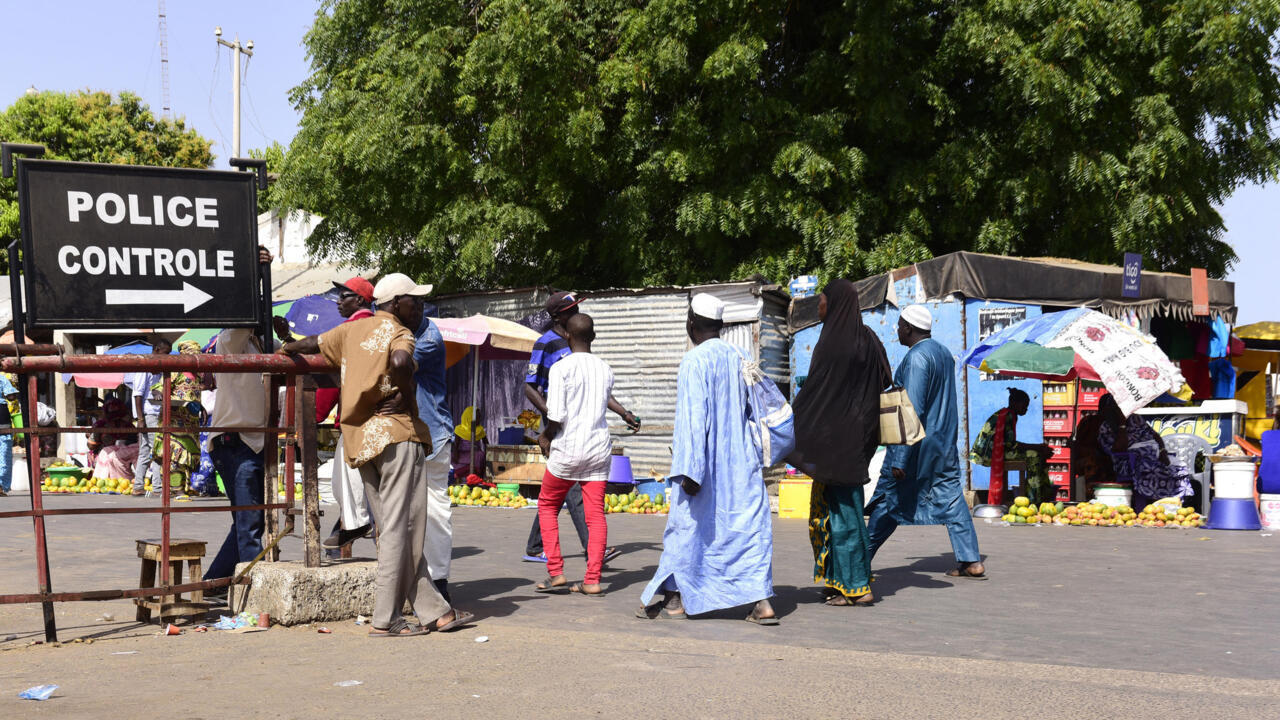
Travelers navigate police checkpoints at Karang, Senegal, on May 10, 2016, en route to Gambia.
The path to a definitive agreement
The recent events near Bullock served as a critical catalyst, reigniting urgent discussions between Dakar and Banjul regarding their long-standing border issues. For years, the undefined or poorly marked sections of the Senegal-Gambia border have occasionally led to misunderstandings and localized disputes. This new accord seeks to provide clarity and stability, moving beyond previous temporary arrangements to establish a clear and mutually recognized line.
Joint operations and community engagement
As part of this renewed commitment, joint teams from both Senegal and Gambia are preparing to deploy to the border regions. Their crucial mission will be to physically mark the agreed-upon boundary, ensuring that the theoretical lines on maps are translated into visible, undisputed markers on the ground. Crucially, alongside these technical operations, extensive awareness campaigns are planned. These initiatives are designed to inform and engage local populations, ensuring they understand the newly clarified border and its implications, thereby fostering cooperation and reducing potential friction.
Addressing historical tensions and future outlook
The historical context of the Senegal-Gambia border has often been marked by various challenges, ranging from informal cross-border trade routes to resource management and occasional security concerns. While this definitive agreement represents a major step forward, the question remains whether it will permanently resolve all potential flashpoints. The success of this initiative will ultimately depend on the consistent implementation of the agreement, sustained dialogue between the two governments, and the active involvement and acceptance of the border communities themselves. Vigilance will be essential to ensure that the spirit of cooperation prevails over any lingering points of contention.