
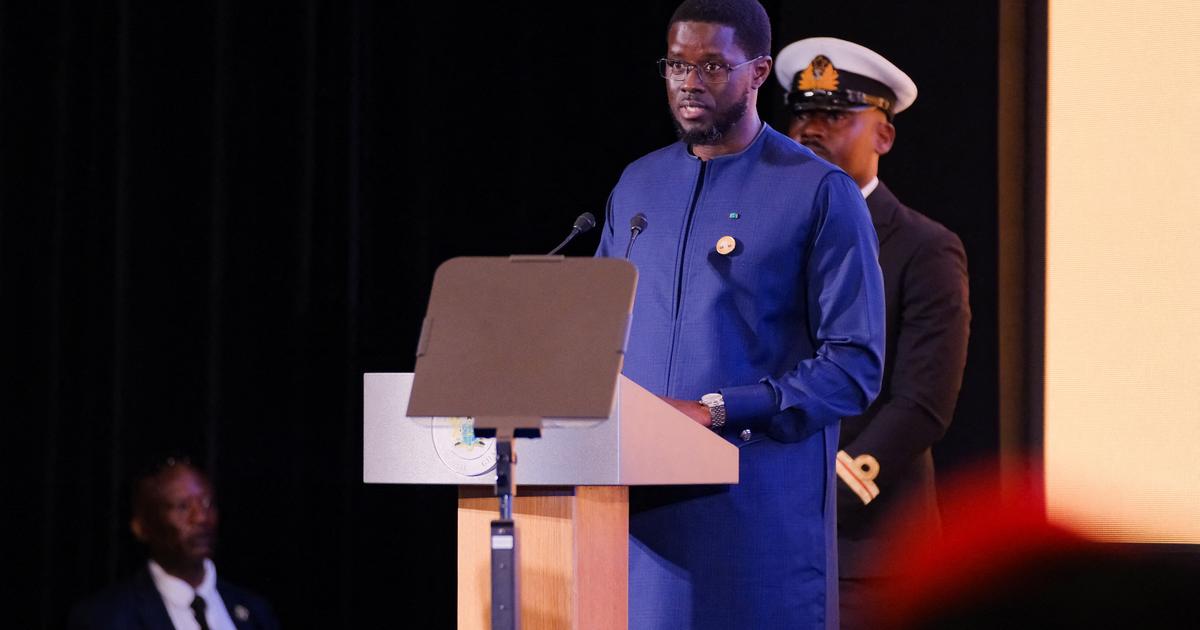
The political climate in Sénégal has entered a volatile new phase as President Bassirou Diomaye Faye and Ousmane Sonko find themselves at the center of a deepening institutional divide. Following his departure from the Prime Minister’s office on May 22, Ousmane Sonko quickly ascended to the leadership of the National Assembly just days later, setting the stage for a direct confrontation between the executive and legislative branches.
This institutional tug-of-war is currently crystallizing around a major project for constitutional reform. On June 29, the National Assembly—where the Pastef party holds a commanding majority with 130 out of 165 seats—moved forward with a proposal for constitutional revision. However, the path to implementation remains complex; Justice Minister Me Moussa Sarr clarified during the proceedings that any final adoption would be determined by a national referendum.
Reshaping the nation’s institutional framework
The proposed changes have sparked significant friction within the government. Tensions flared when the laws commission dismissed four specific amendments put forward by the administration. This rejection led to a chaotic atmosphere during the June 29 session, culminating in a walkout by opposition lawmakers who left the chamber to voice their disapproval of the proceedings.
Driven by the parliamentary majority, this reform seeks to fundamentally alter the country’s institutional structure, though it continues to face stiff resistance from political opponents who view the process with skepticism.