
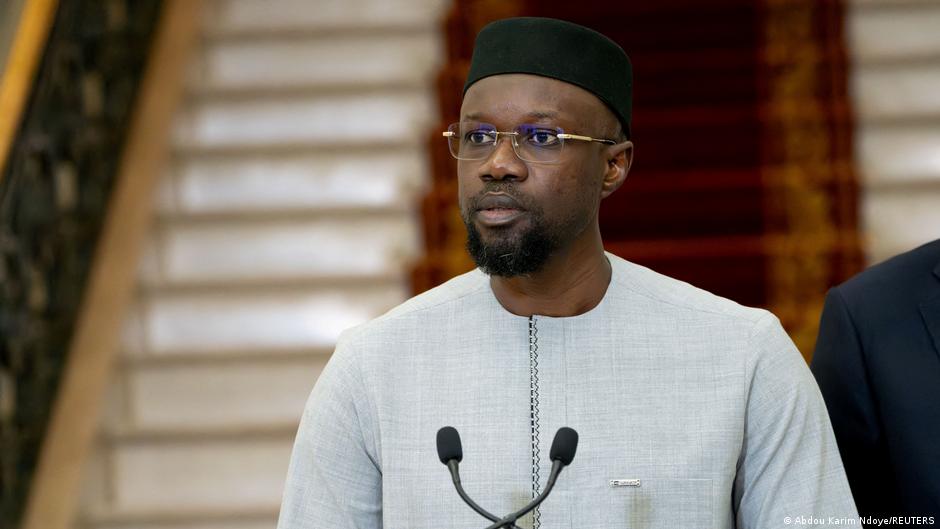
The Senegalese Constitutional Council has dealt a significant blow to the ruling Pastef party by rejecting its latest institutional reform proposal. The decision, announced yesterday, strikes down a law passed by the National Assembly—where Pastef holds a comfortable majority—due to multiple constitutional violations.
A rare instance of judicial intervention in political affairs, the ruling was triggered by a presidential referral, highlighting growing institutional tensions. The Constitutional Council identified two critical flaws in the reform: the absence of a dedicated funding mechanism for the proposed constitutional court, and procedural irregularities during the legislative process, particularly concerning amendments to government bills.
Constitutional hurdles and political implications
Legal experts and opposition figures have weighed in on the implications of this decision. Adji Diarra Mergane Kanouté, a former MP and leader of the USD/A party, emphasized that while the ruling effectively halts the current reform, it does not permanently close the door on future legislative initiatives—provided they comply strictly with constitutional requirements.
“The Council’s decision underscores that even a parliamentary majority must respect constitutional procedures. Failure to align new legislation with financial provisions, such as those governing elections or the establishment of a constitutional court, renders the proposal unconstitutional,” she noted. “Additionally, the Assembly’s refusal to adopt the government’s requested block voting procedure—despite clear constitutional mandates—further invalidates the reform.”
Key reforms under scrutiny
The rejected legislation included provisions to strengthen parliamentary investigative powers, particularly in overseeing natural resource contracts and expanding oversight into previously restricted domains. These measures had sparked intense debate over executive-legislative balance and transparency.
Ousmane Sonko, now a leading figure in the National Assembly after his brief tenure as Prime Minister, publicly acknowledged the Council’s decision, signaling a moment of reckoning for the ruling coalition. Meanwhile, presidential allies have framed the ruling as a testament to the robustness of Senegal’s democratic institutions, urging continued dialogue on reform.
Rising tensions at the heart of power
The constitutional setback occurs against a backdrop of escalating tensions between President Bassirou Diomaye Faye and Ousmane Sonko. Once allies in the Pastef movement, their relationship has visibly soured, with Sonko recently describing their dynamic as a “cohabitation”—a term typically reserved for divided governments. Political observers warn that this judicial ruling could exacerbate existing divisions, reshaping the political landscape ahead of future elections.
Civil society voices, including Dr. Binette Ndiaye of the Citizen Forum, have praised the Council’s intervention, arguing that it reinforces the need for inclusive governance. “True democratic progress requires dialogue and consensus, not unilateral decisions by any single party—no matter how large their majority,” she asserted. “The Council’s ruling reminds us that Senegal remains a Republic where pluralism must be respected.”