
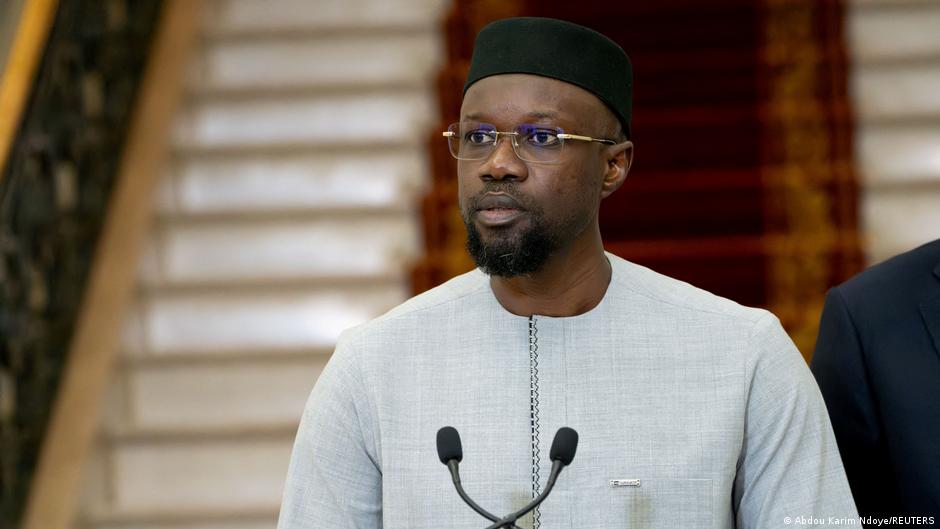
The Senegalese Constitutional Council dealt a fresh blow to Ousmane Sonko on Thursday by striking down the institutional reform bill advanced by his PASTEF party. The decision, which comes amid a tense political standoff, invalidates key provisions meant to restructure state institutions.
Constitutional hurdles derail reform agenda
The Council ruled that the reform proposal violated constitutional norms on two critical counts. First, it noted the absence of a dedicated funding mechanism for the proposed Constitutional Court, a cornerstone of the reform. Second, it found procedural breaches during the legislative review of government amendments, particularly the failure to apply the vote bloqué procedure as required under Article 82 of the Constitution.
The ruling effectively freezes the government’s ambitious institutional overhaul, which had already cleared the National Assembly where PASTEF holds a commanding majority. The decision was triggered by President Bassirou Diomaye Faye himself, who referred the matter to the highest judicial body in the country.
Political fallout intensifies
The setback has deepened tensions between Sonko and President Faye, whose relationship has visibly deteriorated since Sonko’s abrupt removal from the prime minister’s office in May. In a rare public acknowledgment, Sonko accepted the ruling on social media, though critics argue the decision exposes growing fissures within the ruling coalition.
Adji Diarra Mergane Kanouté, former MP and leader of the USD/A party, cautioned that while the reform is dead in its current form, the Assembly could attempt a revised version—provided it adheres strictly to constitutional funding and procedural requirements. “The Council’s decision underscores that even a parliamentary majority must operate within constitutional limits,” she noted. “A reform of this magnitude requires both legal compliance and fiscal responsibility.”
Key provisions in limbo
- Constitutional Court funding: The reform’s failure to allocate resources for the new court rendered it unconstitutional.
- Parliamentary oversight: Proposals to expand legislative scrutiny over natural resource contracts and other sensitive sectors were also struck down.
- Institutional balance: The bill aimed to redistribute powers among branches of government, a move now blocked.
Civil society weighs in
Dr. Binette Ndiaye, coordinator of the Citizen Forum, praised the Council’s ruling as a safeguard for democratic norms. “This decision sends a clear message: institutional reforms must emerge from inclusive dialogue, not unilateral imposition,” she stated. “The majority cannot rewrite the Constitution without consensus.”
What’s next for Senegal?
The political landscape remains volatile as Sonko and Faye navigate their strained cohabitation. Analysts warn that the ruling could embolden opposition forces and accelerate calls for early elections, further destabilizing the government’s reform agenda. With no clear path forward, the coming weeks will test the resilience of Senegal’s young democracy.