
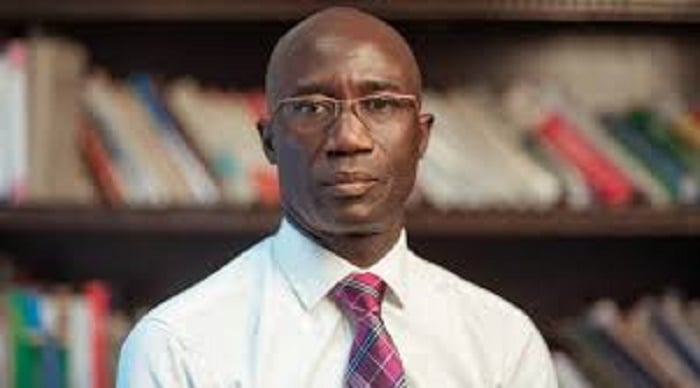
Senegal’s political landscape faces a critical juncture as newly appointed Justice Minister Moussa Sarr assumes office in a climate of heightened scrutiny and judicial expectations. The seasoned attorney steps into a role fraught with complex legal and institutional challenges, particularly regarding accountability and political violence cases.
From courtroom to cabinet: Sarr’s legal legacy
With over two decades of experience in Senegal’s legal arena, Moussa Sarr brings specialized expertise in economic crime, banking law, real estate disputes, and corporate governance to the Justice Ministry. His background includes defending high-profile clients, most notably President Bassirou Diomaye Faye during critical legal proceedings. Beyond litigation, Sarr has contributed to legal education, teaching in several Dakar-based higher education institutions, where he developed a reputation for meticulous legal reasoning.
Political fault lines complicate justice reform
The Justice portfolio has never been more politically sensitive. Sarr’s appointment arrives amid escalating tensions between President Faye and former Prime Minister Ousmane Sonko, whose public statements reflect fundamental disagreements over accountability mechanisms. While Sonko has refrained from criticizing Sarr personally, his interventions underscore a deeper division: one faction advocates immediate, stringent sanctions for financial mismanagement, while another emphasizes procedural safeguards and judicial independence.
Accountability vs. stability: The justice ministry’s balancing act
At the heart of Sarr’s mandate lies a precarious equilibrium between transparency demands and institutional stability. The 2021-2024 political violence cases—now central to national discourse—continue to pressure the government to deliver justice while preventing judicial overreach. A 2024 amnesty law has done little to quell debates about reparations and legal remedies, leaving victims’ groups and civil society organizations in persistent advocacy mode.
Sarr’s leadership will be tested daily as he navigates between political expediency and legal rigor. The outcomes of his decisions could reshape Senegal’s institutional landscape, influencing everything from financial governance to public trust in the justice system.