
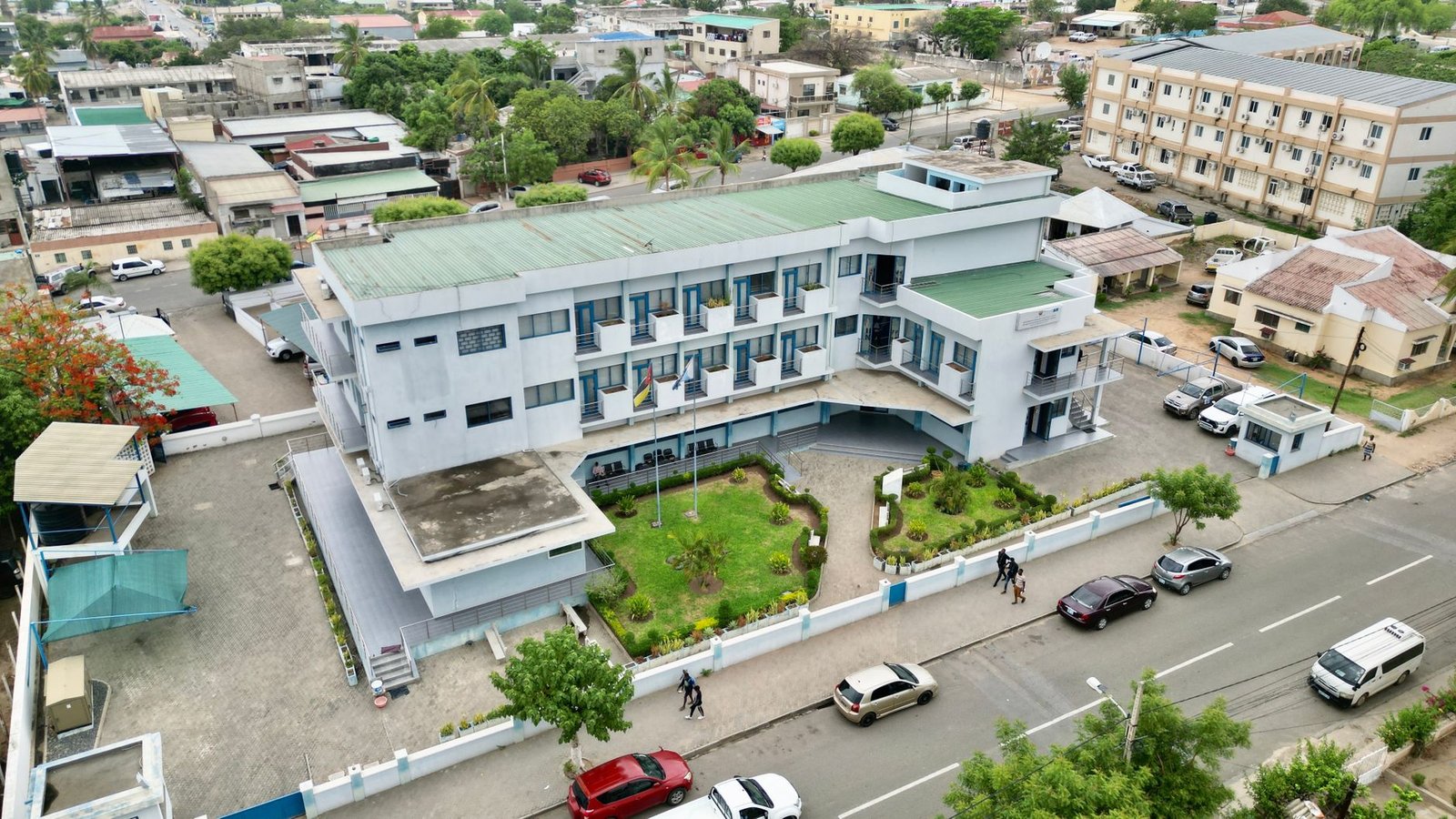
Gabon’s Ministry of National Education is facing a major financial scandal after nearly two dozen officials from the Central Directorate of Financial Affairs (DCAF) were taken into custody by judicial police. The probe centers on allegations of a large-scale overbilling scheme involving cash vouchers, with estimated losses exceeding 560 million FCFA (approximately €850,000). The funds were diverted from allocations meant for one of the country’s most critical public sectors.
An organized operation within DCAF
Investigations reveal a sophisticated system where cash vouchers—typically used for covering urgent administrative expenses—were artificially inflated. The difference between actual service costs and inflated amounts was allegedly siphoned off by the suspected network. This scheme required close collaboration among budget officers, accountants, and accomplices, including fictitious beneficiaries, explaining the scale of the crackdown.
The simultaneous arrests signal a strong political commitment in a nation where the post-August 2023 transition government has prioritized combating administrative corruption. Authorities have intensified targeted operations in recent months to dismantle parallel spending channels, particularly in high-budget ministries.
Education sector bears the brunt of financial mismanagement
The Education Ministry was deliberately targeted in this investigation. It ranks among Gabon’s top budget allocations, funding teacher salaries, student scholarships, textbooks, and school infrastructure projects. With the sector already struggling under pressure from teacher unions over delayed payments and deteriorating facilities, diverting 560 million FCFA equates to depriving education of resources that could build classrooms or support thousands of students.
The scandal emerges as Libreville seeks to reassure international partners, including the IMF and African Development Bank, about its commitment to improving public financial governance. The recently strengthened Audit Chamber has repeatedly flagged issues with advance payments and cash vouchers—tools notorious for their lack of transparency. This case exemplifies the kind of malpractice the audits aim to expose.
A high-stakes judicial process with political implications
The outcome of the legal proceedings will determine whether the accused face trial in the Special Court for Financial Affairs or ordinary courts. Potential charges include embezzlement of public funds, forgery, and criminal conspiracy, all carrying severe penalties under Gabon’s penal code. Investigators will probe the origins of the disputed vouchers, approval hierarchies, and the identities of any masterminds behind the scheme.
A critical question remains: how far up does the chain of responsibility extend? The DCAF, like all ministerial financial divisions, operates under direct cabinet oversight and constant coordination with the Budget and Treasury Directorates. The investigation must clarify whether this was an isolated incident or part of a broader pattern within the state apparatus. Successfully concluding the case will test the credibility of the transitional government’s anti-corruption pledges.
The inquiry is ongoing, and additional detentions in the coming days cannot be ruled out.