
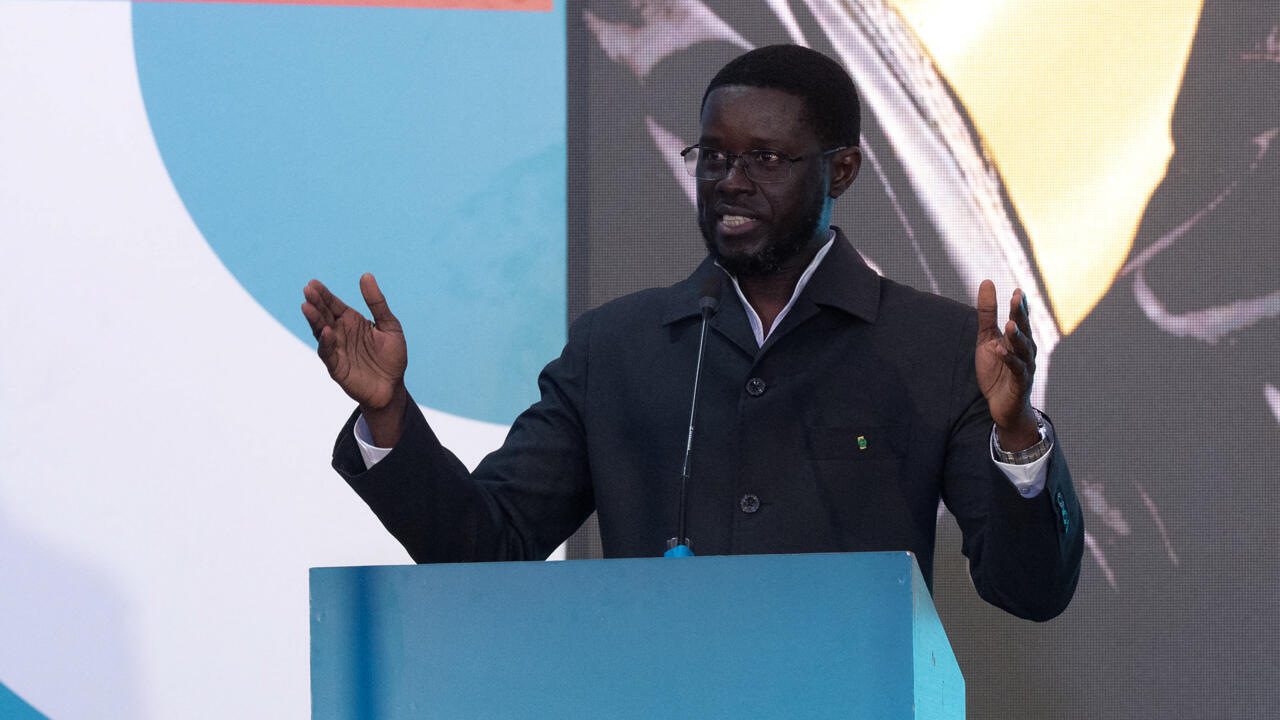
The political landscape in Senegal is undergoing significant transformation as President Bassirou Diomaye Faye makes bold strategic moves ahead of upcoming elections. After severing ties with former ally Ousmane Sonko in May, Faye has taken another decisive step by launching a new political party called Kiiraay, les patriotes républicains. The party’s name, derived from the Wolof word for protection, signals a fresh direction in the president’s political journey.
Reactions to a bold political shift
With the next local and legislative elections on the horizon and the 2029 presidential race in sight, the timing of this initiative is critical. Public and political observers are weighing in on several key questions: What do citizens expect from Kiiraay? Does President Bassirou Diomaye Faye retain his widespread popular support? And how will this move reshape the political dynamics in Senegal?
Following his unexpected rise to power, Faye’s leadership has been marked by a commitment to breaking away from traditional political structures. The creation of Kiiraay represents not just a personal political evolution but a potential realignment of Senegal’s political forces. Observers suggest this could either consolidate his influence or spark further fragmentation in the country’s already complex political scene.
A new party with deep roots
The launch event for Kiiraay, held at Dakar’s King Fahd Palace in the Almadies district, drew considerable attention. Speaking to supporters, Faye framed the initiative as a necessary step to protect and advance the interests of the Senegalese people. Yet, the move has also prompted debate about the president’s long-term vision and the sustainability of his political project.
Critics question whether this new party can effectively bridge the divides that have historically shaped Senegalese politics. Meanwhile, supporters view it as an opportunity to strengthen democratic values and foster greater accountability in governance. The coming months will reveal whether Kiiraay can translate its message of protection into tangible political success.
What’s next for Senegal’s political scene?
The establishment of Kiiraay is just the beginning of what promises to be a defining period for Senegal. With local and legislative elections approaching, the party’s performance will be a key indicator of Faye’s ability to mobilize voters and maintain momentum. The broader implications for Senegal’s democracy—and the balance of power among its political actors—remain to be seen.
As the nation watches closely, one thing is clear: President Bassirou Diomaye Faye’s political ambitions are reshaping the conversation around governance, representation, and the future of Senegal.