
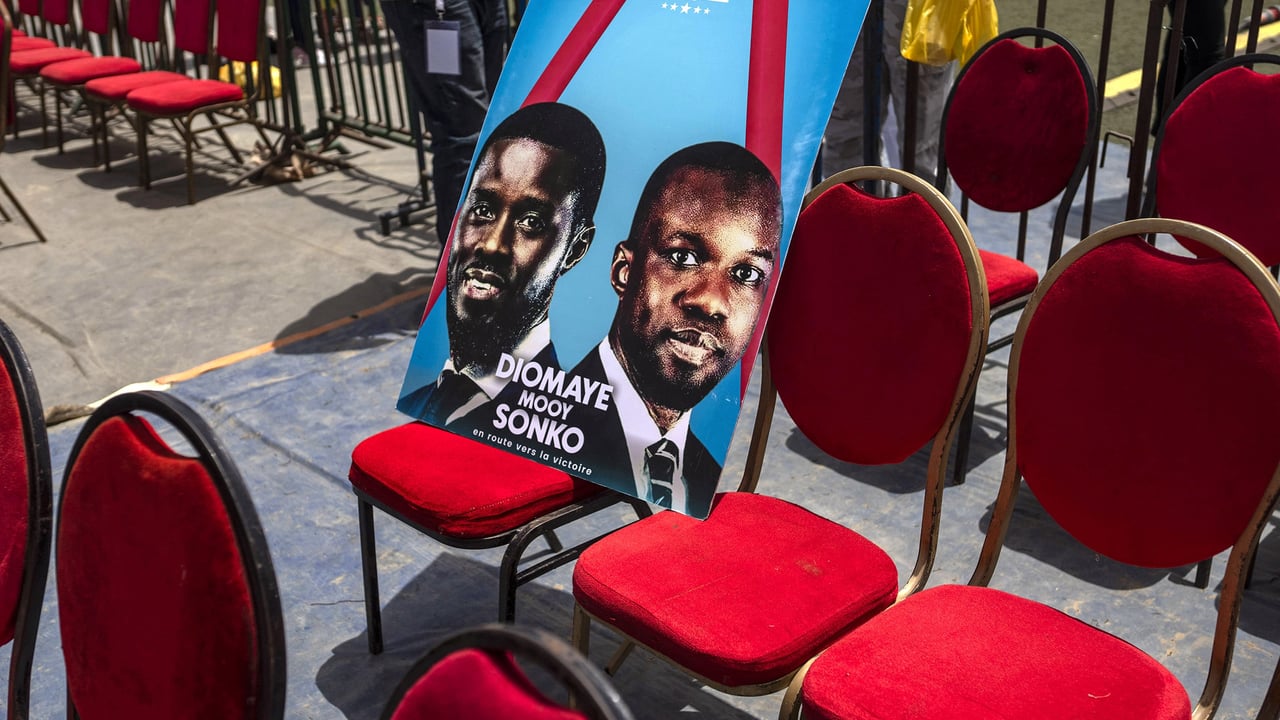

In a sweeping move to reinforce cohesion within their ranks, Senegal’s political leadership is undergoing significant restructuring. President Bassirou Diomaye Faye and opposition figurehead Ousmane Sonko are reshaping their teams, signaling a new phase in the nation’s governance and opposition dynamics.
Strategic reshuffles target internal cohesion
The leadership of President Faye and Mr. Sonko is taking decisive steps to streamline their respective movements. Recent weeks have seen multiple resignations, dismissals, and exclusions of prominent figures, all aimed at strengthening internal discipline and alignment with the evolving political vision.
Key dismissals have included high-ranking officials whose actions or statements were deemed inconsistent with the core objectives of the administration and opposition alliance. This purge reflects a broader strategy to eliminate dissenting voices and consolidate control over strategic decision-making processes.
Opposition realignment under Sonko’s guidance
Ousmane Sonko, a central figure in Senegal’s political landscape, has intensified efforts to unify opposition forces under a cohesive agenda. The recent exclusions and reshuffles within his movement highlight a commitment to ideological purity and operational efficiency. By removing figures perceived as disruptive or uncommitted, the opposition is positioning itself for more effective engagement with the government.
Analysts suggest that these changes are not merely administrative but represent a deliberate effort to present a united front ahead of upcoming political challenges and electoral cycles. The opposition’s ability to maintain cohesion will be critical in shaping Senegal’s political trajectory in the coming years.
Government restructuring under President Faye
President Faye’s administration is equally focused on aligning its ranks with the new governance priorities. The removals and resignations within his team underscore a commitment to transparency and accountability, two pillars of his political platform. By distancing the administration from figures linked to past controversies or inefficiencies, the president aims to bolster public trust and institutional credibility.
The restructuring also signals a shift toward more technocratic governance, with an emphasis on competence and alignment with the administration’s reform agenda. This approach is expected to enhance policy implementation and accelerate the delivery of key public services.
Implications for Senegal’s political landscape
The ongoing purges within both the government and opposition camps are likely to have far-reaching consequences for Senegal’s political stability and democratic processes. While the moves are framed as efforts to strengthen internal unity, they also raise questions about the long-term impact on inclusivity and democratic pluralism.
Critics argue that the aggressive reshuffles could marginalize diverse viewpoints and reduce the space for constructive dialogue. However, proponents contend that the changes are necessary to eliminate corruption and inefficiency, thereby paving the way for more effective governance.
As Senegal navigates this period of transition, the actions of President Faye and Ousmane Sonko will be closely watched. Their ability to balance the need for cohesion with the preservation of democratic principles will determine the future trajectory of the nation’s political landscape.
Looking ahead: challenges and opportunities
The coming months will be pivotal for both the government and the opposition. The success of their restructuring efforts will hinge on their ability to maintain public support while navigating the complex interplay of political interests. For President Faye, the challenge lies in delivering on campaign promises without alienating key stakeholders. For Ousmane Sonko, the task is to consolidate opposition unity while offering a compelling alternative to the government’s agenda.
Senegal stands at a crossroads, with the outcomes of these internal transformations likely to shape the nation’s political and socio-economic future. The world will be watching as these leadership teams redefine the contours of governance and opposition in one of West Africa’s most stable democracies.