
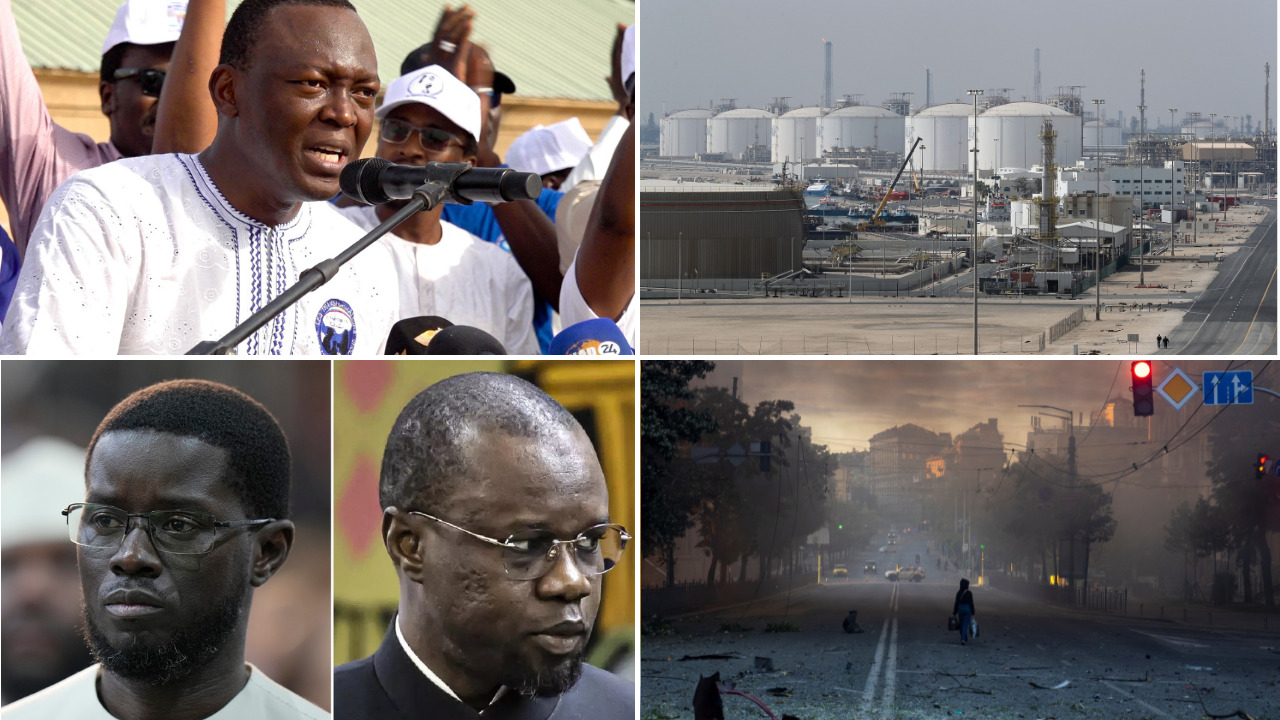
The recent political turbulence in Senegal has left many wondering about the ramifications of President Bassirou Diomaye Faye’s decision to dismiss Prime Minister Ousmane Sonko. With the Pastef party, led by the former premier, holding a dominant majority in the National Assembly, the president now faces a delicate balancing act. Will Diomaye emerge stronger, or will Sonko’s influence endure despite his ouster?
Senegal’s political upheaval: a test of resilience
President Bassirou Diomaye Faye’s decision to remove Ousmane Sonko from his post as Prime Minister has sent shockwaves through Senegal’s political landscape. The move comes after months of escalating tensions between the executive and legislative branches, exacerbated by the Pastef party’s overwhelming control in the National Assembly. With Sonko’s party holding 170 of the 165 seats, the president’s move has raised critical questions about the future of governance in the country.
The dismissal of Sonko, a key figure in the opposition movement, marks a pivotal moment in Senegal’s democratic evolution. His party, Pastef, has been a vocal advocate for sweeping reforms, and his removal could either consolidate Faye’s authority or ignite further instability. Analysts suggest that the president’s ability to navigate this crisis will determine whether his administration can maintain stability or if it will face prolonged political strife.
Who stands to benefit from this political rupture?
The answer hinges on several factors. President Faye may seek to reshape his cabinet to align with his vision, potentially sidelining Sonko’s influence. However, the opposition’s stronghold in the legislature means Faye will need to tread carefully to avoid legislative gridlock.
For Sonko, the dismissal presents an opportunity to regroup and redefine his political strategy. His continued popularity among the electorate could allow him to challenge Faye’s policies from outside the government, positioning him as a formidable opponent in future elections.
Meanwhile, the broader implications for Senegalese citizens remain uncertain. The political turmoil could either pave the way for much-needed reforms or deepen divisions within the country. As the situation unfolds, all eyes will be on how both leaders handle the fallout and whether Senegal’s democratic institutions can withstand the pressure.