
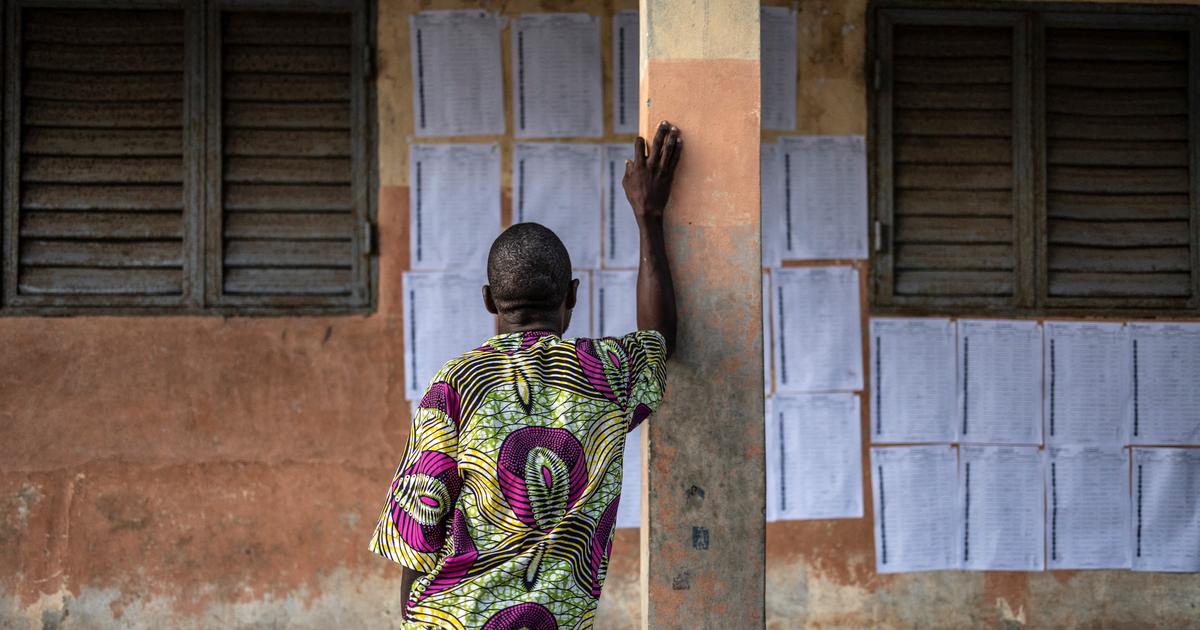
Elections in Africa this year have been anything but unpredictable. With “pre-ordained victories”, “lack of suspense” and “first-round landslides for incumbents”, the pattern is clear: opposition candidates are being systematically sidelined before campaigns even begin. Recent presidential votes in Djibouti on April 10 and Benin on April 12 followed this troubling trend. In Djibouti, incumbent President Ismaïl Omar Guelleh secured a sixth term with a staggering 97.8% of the vote, while in Benin, Romuald Wadagni—handpicked successor to Patrice Talon—claimed 94% of ballots cast. Both victories were achieved in the absence of meaningful competition.
In Djibouti, opposition leader Alexis Mohamed withdrew his candidacy, citing “unbearable financial barriers” and “serious safety concerns” as insurmountable obstacles. While security fears played a role, it was the exorbitant “nomination fees” that proved decisive. Observers now describe the process as “a mere formality”, stripping elections of their democratic essence.
When money replaces ballots
This is not an isolated incident but a growing pattern across the continent. Prospective candidates are routinely priced out of contention by prohibitive campaign costs—fees that far exceed the financial means of most opposition figures. The result? Elections that serve as a rubber-stamp for incumbents, with opposition voices silenced before a single vote is cast.
The implications are severe: democratic backsliding is accelerating, with electoral processes increasingly resembling “choreographed ceremonies” rather than genuine contests. For citizens, the message is clear: their choices are being restricted by financial gatekeeping rather than by the will of the electorate.
Who bears the cost of democracy?
While incumbent leaders and their allies navigate these financial hurdles with ease, opposition candidates—often operating with limited resources—find themselves locked out of the race. The system, critics argue, is designed to “favor the wealthy and entrench power”, leaving little room for genuine political pluralism.
As Africa’s electoral landscape grows more constrained, the question lingers: Can elections still be called free and fair when the playing field is skewed before the first campaign poster is even printed?