
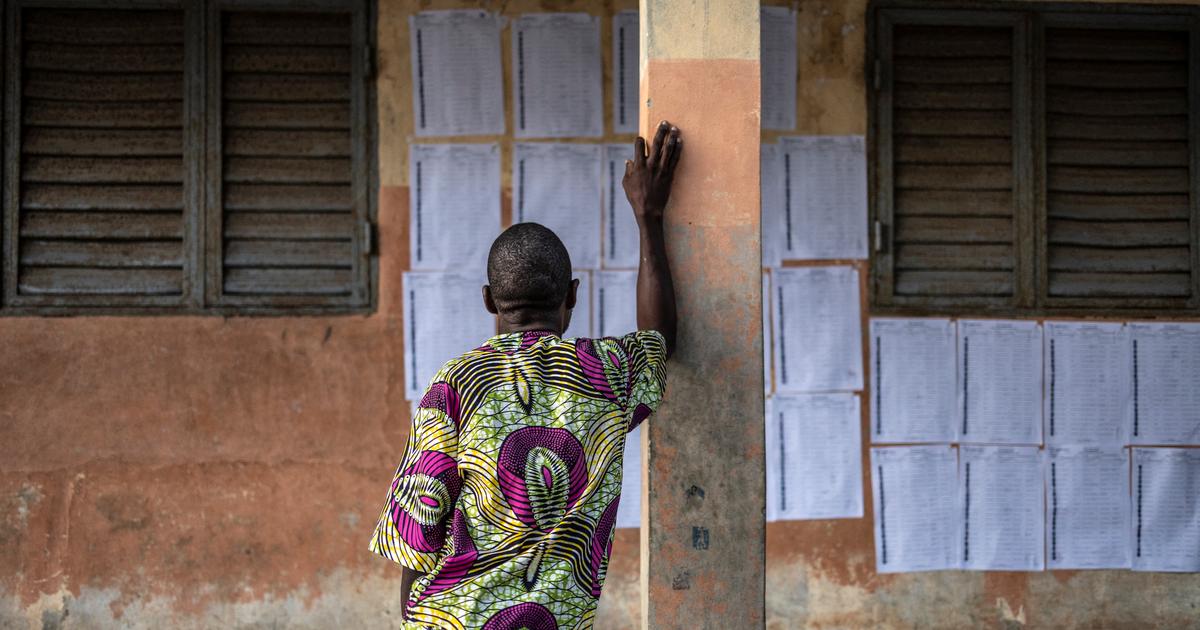

Preordained victories. Routine landslides. First-round sweeps. Africa’s 2025 presidential contests followed a familiar script—one where opposition forces found themselves systematically sidelined before campaign season even began. The most recent examples unfolded in Djibouti on April 10 and Benin on April 12. In Djibouti, incumbent President Ismaïl Omar Guelleh secured a sixth term with 97.8% of the vote, while in Benin, Romuald Wadagni—handpicked successor to Patrice Talon—claimed 94% of ballots cast. Both victories underscored a stark reality: these elections lacked genuine competition.
In Djibouti, opposition leader Alexis Mohamed abandoned his candidacy after citing “insurmountable financial barriers.” While concerns about personal safety played a role, the prohibitive nomination fees emerged as the decisive obstacle. Observers labeled the vote a “procedural formality,” with one analyst noting that “the real contest had already been decided in boardrooms, not ballot boxes.”
When wealth trumps democracy
The African electoral landscape is increasingly defined by a paradox: campaign costs that price out the very challengers meant to test incumbents’ legitimacy. Across the continent, aspiring leaders face exorbitant fees that dwarf typical incomes, effectively transforming elections into contests where financial muscle outweighs ideological appeal.
In Benin, prospective candidates reportedly paid up to $50,000 just to submit their nomination papers—an amount equivalent to decades of earnings for most citizens. Similar patterns emerged in Djibouti, where fees reached $25,000, rendering participation impossible for all but the wealthiest elites. The pattern repeats elsewhere: in Togo, candidates forfeit $100,000 deposits, while in Gabon, the price tag exceeds $150,000. Such figures don’t just deter competition—they eliminate it at the starting line.
How inflated fees reshape political landscapes
The consequences extend beyond individual races. When opposition voices are priced out, elections lose their core function: holding power to account. Instead, they become “rubber-stamp ceremonies” that rubber-stamp predetermined outcomes. Critics argue this financial barrier violates democratic principles by “privatizing sovereignty”—turning the electoral process into a pay-to-play system where only the affluent can participate.
For citizens, the message is clear: their votes are secondary to the financial resources of those permitted to run. Analysts warn this trend risks “eroding public trust” in institutions, particularly among youth who see no path to influence through traditional political channels. With median ages under 20 in many African nations, the disconnect between governance and generational aspirations grows ever wider.
Global comparisons reveal systemic flaws
While African nations aren’t alone in imposing nomination fees—some European countries also use financial thresholds—African examples stand out for their scale and systematic application. In Senegal, fees of $25,000 have sparked protests, with opposition groups calling the system “a tool of elite capture.” Meanwhile, in Mali, where fees reach $5,000, civil society organizations argue the cost violates constitutional guarantees of equal participation.
The debate now centers on solutions. Some advocate for sliding-scale fees based on candidates’ declared assets, while others push for complete abolition of financial barriers to entry. A few nations have experimented with hybrid systems—combining modest fees with public financing—but critics note these reforms often lack teeth without independent oversight.
As Africa’s demographic boom continues, the pressure to democratize electoral access will only intensify. Whether governments respond with reform—or double down on exclusionary practices—may well define the continent’s political trajectory for decades to come.