
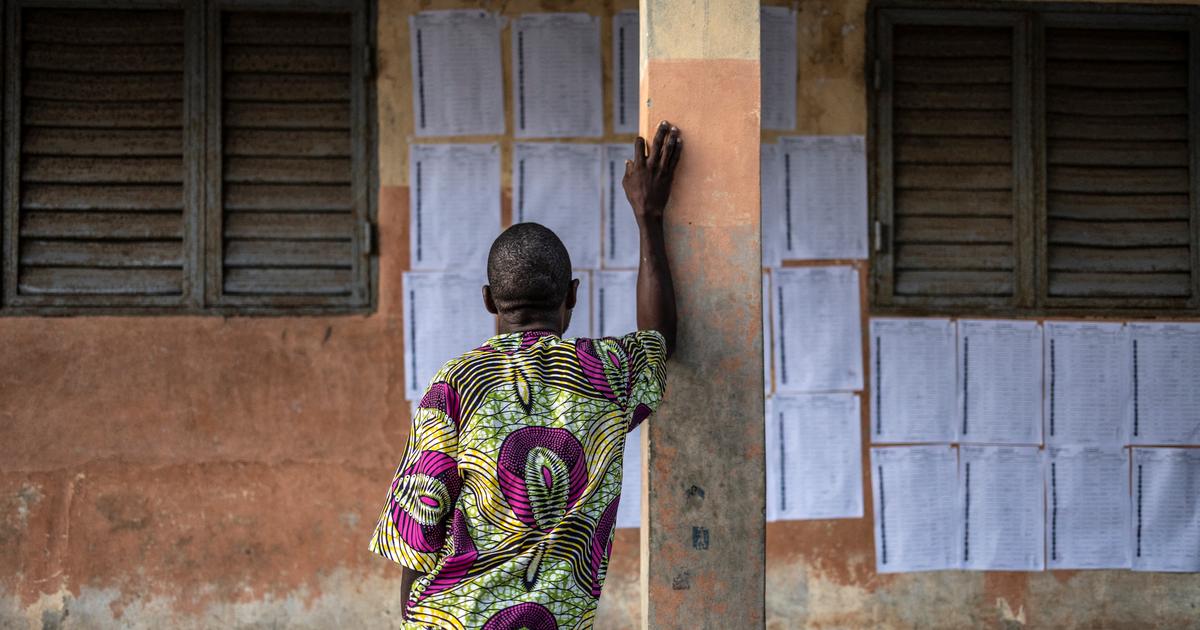
This year’s presidential elections across Africa have followed a troubling pattern: campaigns that begin with opposition candidates already sidelined. Recent votes in Djibouti and Benin delivered overwhelming victories to incumbent leaders, with opposition voices notably absent from the ballots. In Djibouti, President Ismaïl Omar Guelleh secured a sixth term with 97.8% of the vote on April 10, while Benin saw Romuald Wadagni claim 94% in a contest widely viewed as predetermined.
financial barriers crush opposition ambitions
While security concerns and political repression often dominate discussions around election fairness, a more immediate obstacle has emerged: crippling nomination fees. In Djibouti, aspiring opposition leader Alexis Mohamed withdrew from the race, citing both safety risks and an inability to meet exorbitant candidacy costs. Analysts now describe the process as little more than a “ceremonial exercise,” devoid of genuine competition.
Election observers warn that these financial hurdles are becoming a continent-wide trend. Candidates across multiple nations face staggering registration expenses that far exceed reasonable thresholds, effectively pricing out all but the wealthiest or most politically connected contenders. The result? Elections where the outcome is decided long before campaign posters appear.
what does a fair democratic process cost?
Nomination fees vary widely, but in several African nations, they have ballooned to levels that dwarf typical incomes. For opposition figures, these costs represent more than just a financial barrier—they’re a systemic exclusion from the democratic process. Critics argue that such policies transform elections into “votes for show,” where the real decisions are made behind closed doors.
The pattern raises critical questions about the integrity of electoral systems. If candidates cannot afford to run, can elections truly reflect the will of the people? With opposition voices silenced before the campaign even begins, the legitimacy of these victories remains hotly debated.