
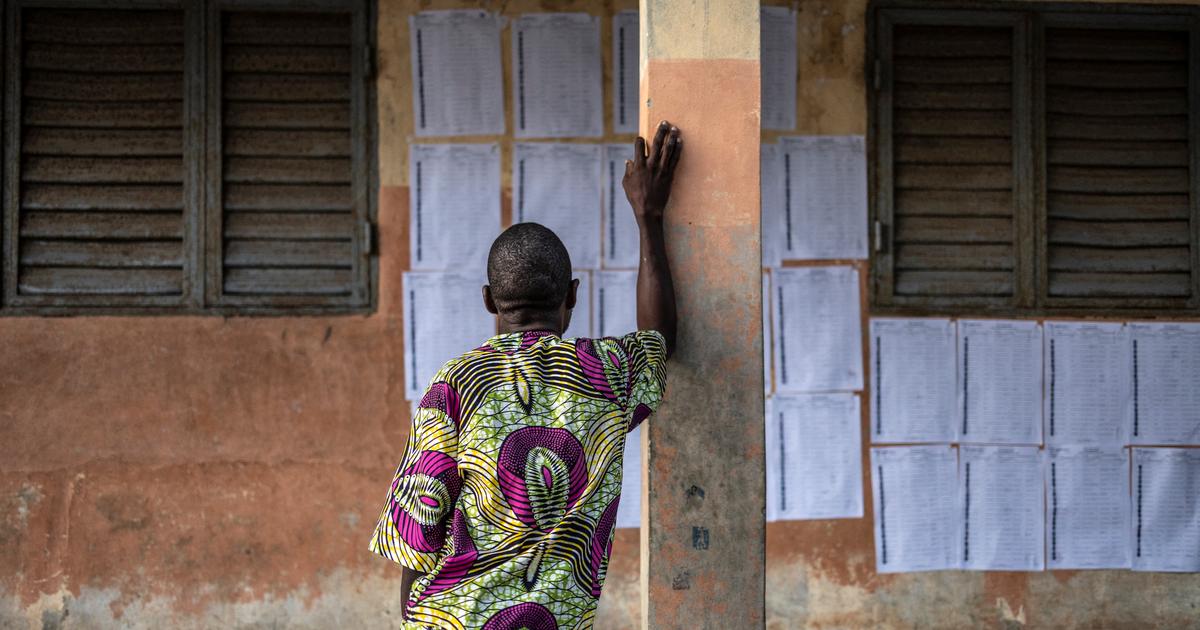
The 2025 presidential elections across Africa revealed a troubling pattern: incumbent leaders securing sweeping victories with minimal opposition challenge. In Djibouti on April 10 and Benin on April 12, 2026, the outcomes followed a familiar script—Ismaïl Omar Guelleh claimed 97.8% of the vote in Djibouti, while Romuald Wadagni swept Benin with 94%. These landslide results, achieved without credible competition, raised immediate questions about the integrity of the electoral process.
In Djibouti, opposition leader Alexis Mohamed abandoned his candidacy, citing insurmountable barriers. While concerns about personal safety played a role, the most prohibitive factor was the astronomical nomination fees—a financial hurdle that effectively sidelined would-be challengers. Observers described the election as “a foregone conclusion,” where the playing field was tilted long before polling day.
Financial barriers overshadow democratic competition
The phenomenon of exorbitant campaign costs is reshaping electoral dynamics across West Africa. Candidates from opposition parties face a stark reality: the price of entry is often set so high that only the wealthiest—or most politically connected—can even attempt to run. This economic gatekeeping transforms elections into “walks to power”, where financial muscle matters more than political will or public support.
The consequences are severe. Opposition figures, even those with substantial grassroots backing, find themselves priced out of contention. In some cases, the fees exceed the annual budgets of entire political movements. The result? Elections that reflect “uncontested legitimacy,” rather than the will of the people.