
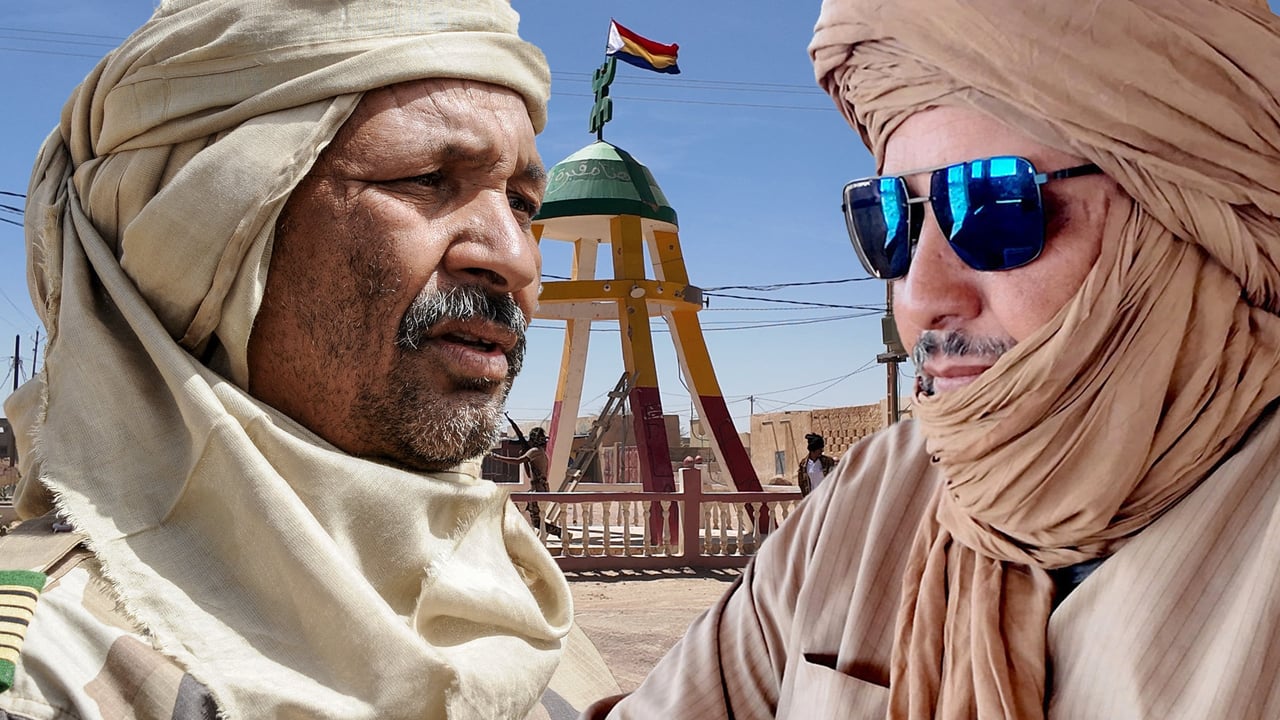

In the heart of Mali’s northern reaches, the city of Kidal frequently finds itself at the epicenter of enduring power struggles. This strategic location is once again the stage for a significant Tuareg rivalry, pitting two influential leaders, El Hadj Ag Gamou and Alghabass Ag Intallah, against each other in a persistent battle for dominance.
The conflict over Kidal is a complex tapestry woven from historical grievances, tribal allegiances, and the desire for regional influence. Both Gamou and Alghabass represent formidable forces within the Tuareg community, their contest for Kidal symbolizing a broader struggle for control and political legitimacy in this volatile area.
A recent snapshot of this intense rivalry emerged on May 4, 2026, when El Hadj Ag Gamou and Alghabass Ag Intallah were observed together at the Kidal roundabout. They stood before combatants identified as Fighters for the Liberation of Azawad (FLA), a scene that powerfully underscored the direct and often confrontational nature of their respective claims to the city. This visual evidence highlights the continued presence of armed factions and the tangible stakes involved in securing Kidal.
The strategic importance of Kidal, a gateway to the vast desert regions, makes it a coveted prize. Its control offers not only symbolic authority but also practical advantages in terms of trade routes and regional influence. As such, the ongoing friction between Gamou and Alghabass remains a critical factor in the evolving dynamics of northern Mali, shaping the future of the Tuareg people and the broader security landscape.