
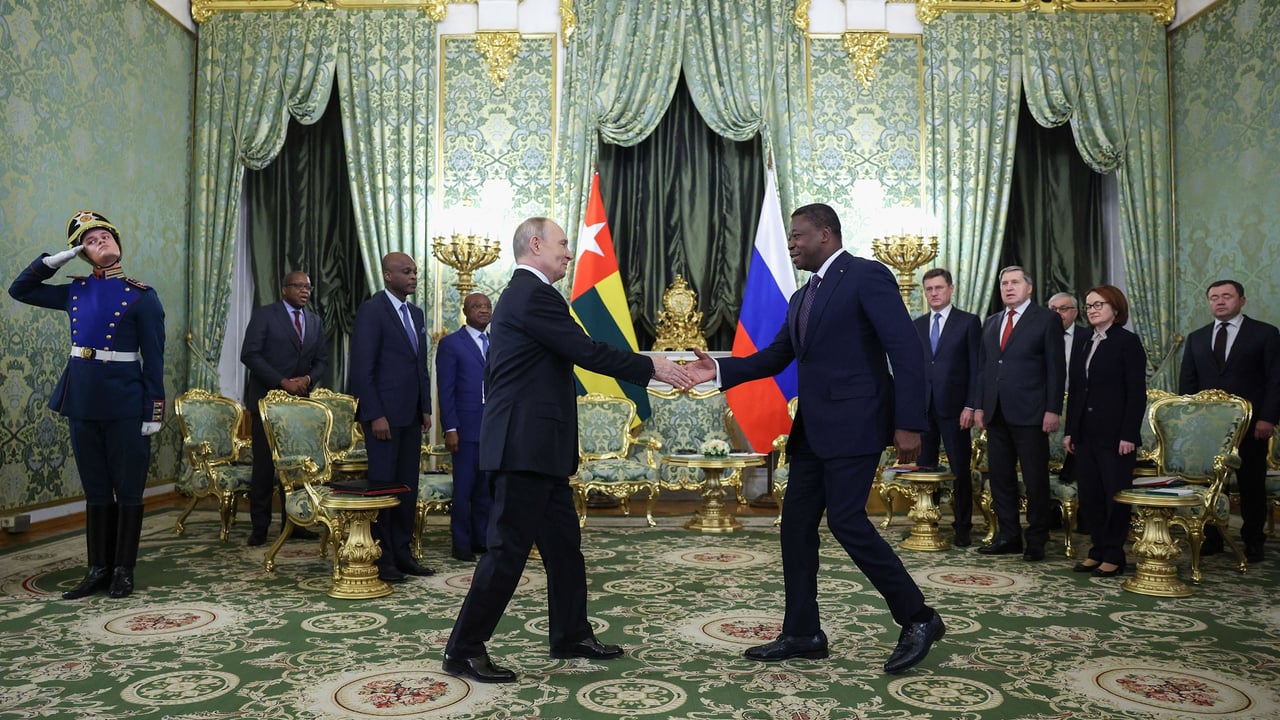
Lomé has quietly expanded its security partnerships in recent years, establishing covert collaborations with Moscow and Ankara to bolster its defenses against Sahelian jihadist threats. These secret agreements mark a notable shift in Togo’s regional strategy, as the nation navigates complex geopolitical waters while reinforcing its military capabilities.
From Ankara to Moscow: Togo’s evolving security alliances
The Togolese government has pursued two parallel tracks to enhance its counterterrorism efforts. On one side, diplomatic channels with Turkey have intensified, focusing on aerial support and logistical assistance to combat insurgent groups operating near its northern borders. On the other, high-level discussions with Russia have led to the involvement of the Africa Corps, a specialized unit deployed since 2025 to provide training and operational expertise.
These covert arrangements underscore a pragmatic approach by President Faure Gnassingbé, who has prioritized stability in a region plagued by instability. By diversifying its security partners, Togo aims to reduce dependence on traditional Western allies while securing critical resources to safeguard its territory.
Strategic motives behind the covert agreements
Several factors drive Lomé’s decision to engage with Moscow and Ankara. First, the persistent threat of cross-border attacks from jihadist factions in neighboring countries has created urgency for enhanced defense mechanisms. Second, the slow response from traditional partners has prompted Togo to explore alternative avenues to strengthen its military infrastructure.
The Russia-Africa Corps, in particular, offers specialized training in counterinsurgency tactics, while Turkish support includes drone surveillance and logistical aid. These collaborations are conducted discreetly to avoid regional backlash or perceived alignment with foreign powers, ensuring Togo maintains a balanced diplomatic stance.
Regional implications of Togo’s security strategy
The quiet integration of Russian and Turkish military elements into Togo’s defense framework raises questions about broader West African security dynamics. While Lomé emphasizes these partnerships as purely defensive, neighboring states may view them with skepticism, particularly given the growing Russian footprint in the Sahel.
However, Togo’s leadership maintains that these alliances are temporary measures to address immediate threats. The government has not disclosed the full extent of these agreements, leaving analysts to speculate on their long-term impact on regional security architectures.
Balancing act: Diplomacy in a shifting geopolitical landscape
Togo’s approach reflects a broader trend among West African nations seeking to diversify their security partnerships. By engaging with multiple global players, Lomé aims to secure the best possible terms for military cooperation while avoiding over-reliance on any single ally. This strategy allows Togo to navigate the complexities of regional politics without committing to a fixed alignment.
As the Sahel’s security crisis deepens, Togo’s covert collaborations with Russia and Turkey may serve as a model for other nations grappling with similar challenges. Whether these partnerships will yield lasting stability or introduce new vulnerabilities remains to be seen, but for now, Lomé appears determined to take bold steps to protect its sovereignty.