
Global Terrorism Alert: ISIS Expands Operations Despite Central Leadership Setbacks
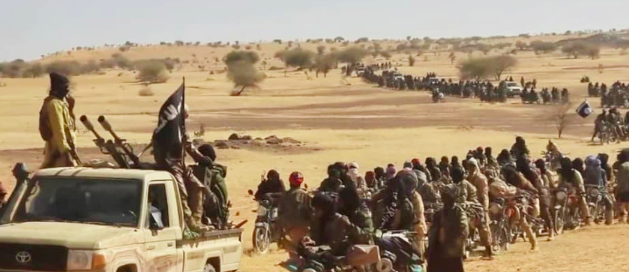
The United Nations has issued a stark warning about the escalating terrorist threat in West and Central Africa, where the Islamic State group has significantly expanded its operations despite recent setbacks to its central leadership. A new UN report presented to the Security Council highlights the Sahel region and the Lake Chad basin as the primary hotspots of this dangerous expansion.
According to the findings, the Islamic State’s West African Province (ISWAP) remains the group’s most active affiliate worldwide. Military analysts note a troubling trend: the terrorist organization is increasingly adopting commercial drones to enhance its surveillance and attack capabilities, making its operations more sophisticated and harder to counter.
Regional Affiliates Showing Increased Autonomy
The UN report, authored by Oguljeren Niyazberdiyeva from the United Nations Office of Counter-Terrorism, reveals that while international military campaigns have weakened ISIS’s central command structure, the group has adapted by transforming into a decentralized network of regional branches. These affiliates operate with greater operational independence while maintaining ideological cohesion.
Key findings from the report include:
- The Democratic Republic of Congo (DRC) and Mozambique continue to experience persistent attacks from ISIS-affiliated groups despite national and regional military pressure
- Terrorist organizations are increasingly leveraging local recruitment strategies and strengthening their grassroots networks
- The groups exploit ongoing conflicts, institutional weaknesses, and economic vulnerabilities to deepen their territorial influence
Niyazberdiyeva emphasized that ‘the terrorist organization has fundamentally transformed its operational model to survive military campaigns. Despite international efforts, ISIS continues to pose a severe threat to global peace and security.’
Technology as Both Weapon and Vulnerability
The report highlights a concerning evolution in ISIS’s tactics, with the group increasingly utilizing advanced technologies to enhance its operations. The UN warns that the terrorist organization is now employing artificial intelligence, encrypted communications, digital platforms, virtual assets, and unmanned aerial vehicles to refine its propaganda, recruitment, financing, and attack planning methods.
While these technological advancements present new challenges for counter-terrorism efforts, the report notes that responsible implementation of these same technologies could become powerful tools in preventing and combating terrorism when used within the framework of international law.
Call for Enhanced International Cooperation
The UN underscores the urgent need for strengthened international collaboration, particularly with technology companies and private sector stakeholders, to better govern emerging digital tools and prevent their misuse by terrorist organizations. The report suggests that a more integrated approach combining military pressure with technological safeguards and socio-economic development initiatives could offer more effective solutions to this persistent security challenge.