

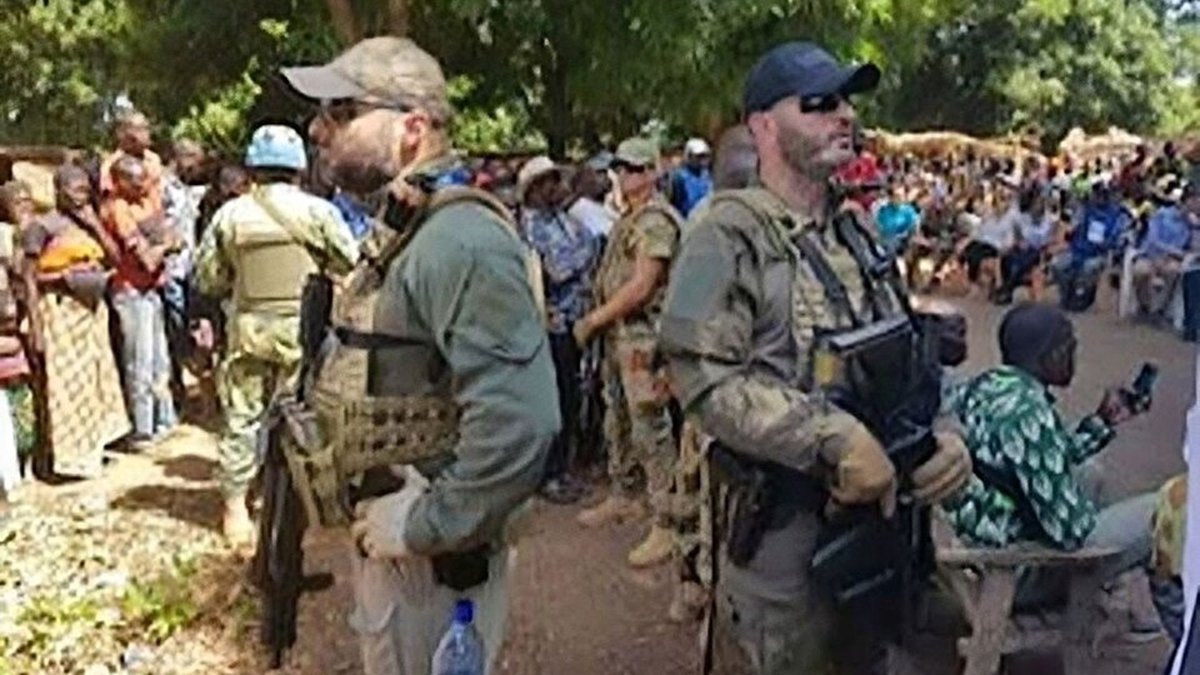
Central African whistleblower denied asylum in France after exposing Wagner’s operations
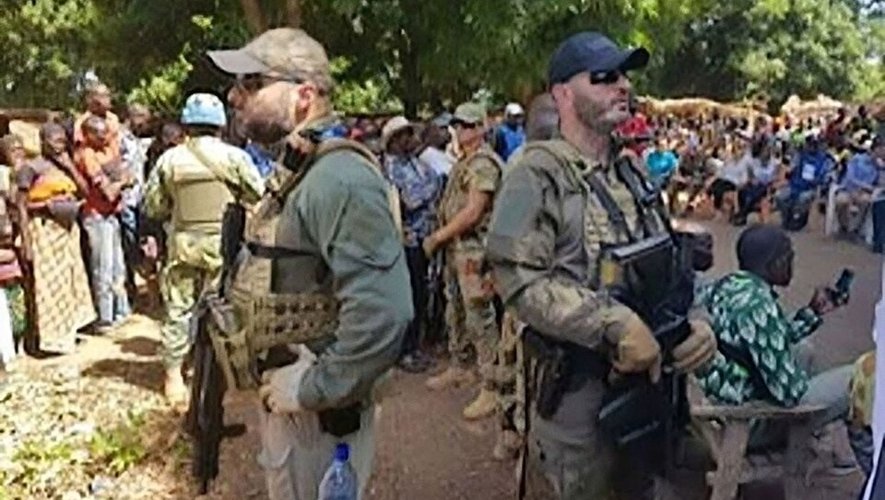
Central African journalist Ephrem Yalike-Ngonzo, who exposed Wagner Group’s operations, has been denied asylum in France. He had received a special travel permit facilitated by Emmanuel Macron but now faces an uncertain future in the country.
Ephrem Yalike-Ngonzo’s asylum request was rejected this week, sending a chilling message to others fighting Russian disinformation networks. The journalist, who fled his homeland in 2024 after receiving death threats from Wagner operatives, had been living in France under a special arrangement arranged by the French government.
His revelations about Moscow’s propaganda machine in Central Africa led to sanctions against Russian operatives, including Mikhaïl Prudnikov, identified as a key figure in the Kremlin’s influence campaign. The decision to deny his asylum comes as a shock to those supporting his whistleblowing efforts.
From paid propagandist to target of the regime
Yalike-Ngonzo’s journey began in late 2019 when he was recruited to publish pro-government articles in local media. He received modest payments—between 15 to 30 euros per article—for supporting the Central African military and its Russian allies. These articles were part of a broader disinformation strategy orchestrated by Wagner operatives on the ground.
By 2024, when he courageously broke his silence to an international investigation team, he had already become a marked man. His decision to expose these operations forced him into exile, with Wagner threatening his life for daring to reveal their methods.
A family caught in the crossfire
With his asylum appeal now pending before the National Asylum Court, Yalike-Ngonzo remains in hiding in France with his immediate family. Meanwhile, his relatives back in Central Africa face relentless pressure from authorities demanding information about his whereabouts. The psychological toll on his loved ones continues to mount as they endure interrogations and threats.
The court’s decision is not expected for at least a year, leaving the whistleblower and his family in legal limbo. His lawyer has called the rejection a “deeply concerning signal” for those opposing Russian propaganda campaigns, emphasizing the risks whistleblowers face when challenging powerful entities.