
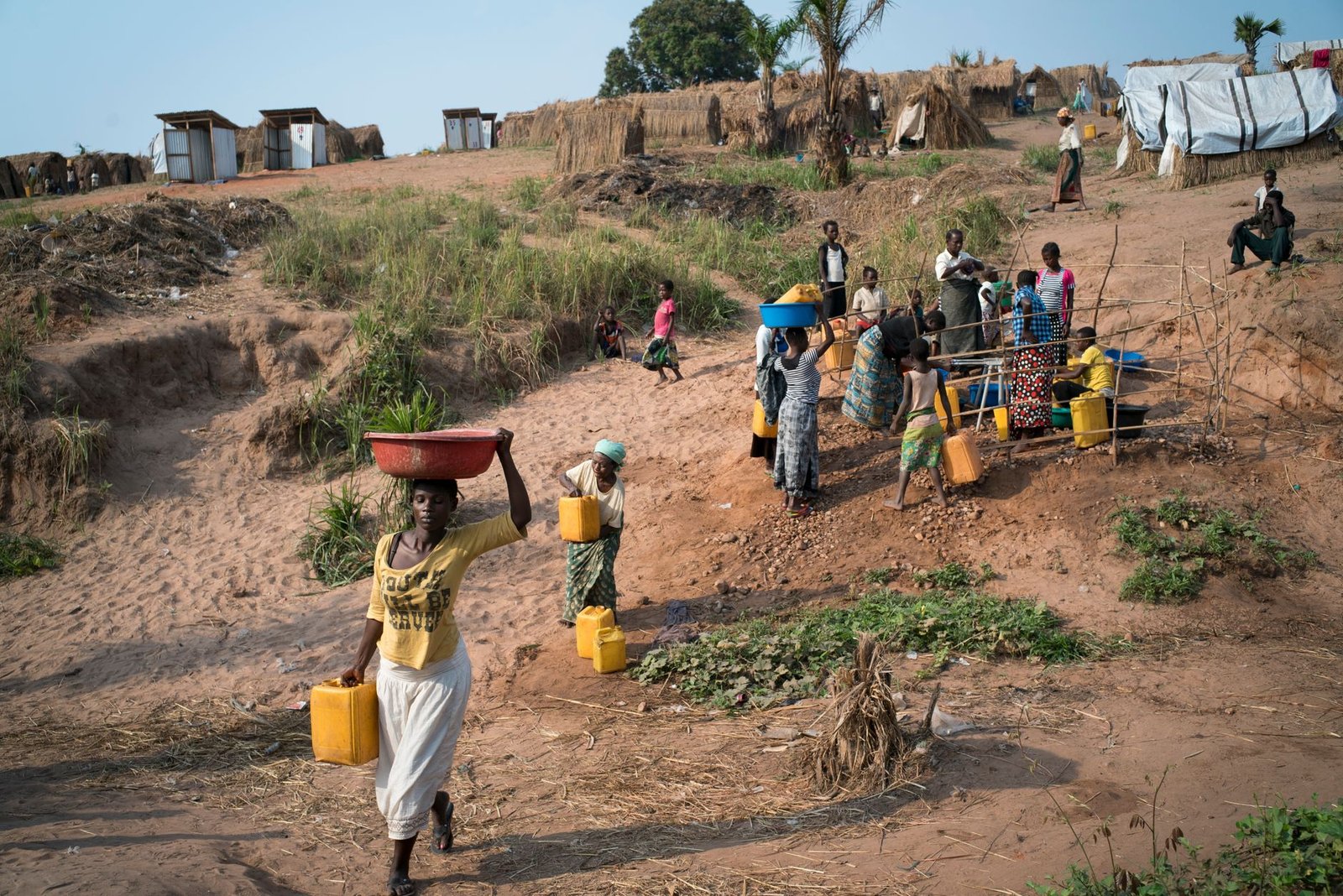
The latest United Nations report reveals a disturbing pattern: instead of targeting the Forces Démocratiques de Libération du Rwanda (FDLR), the Alliance Fleuve Congo-Movement of March 23 (AFC/M23) military operations are systematically displacing, killing, and destroying livelihoods of civilians in North and South Kivu. This document challenges the rebel coalition’s stated mission, exposing a brutal reality where villages—not combatants—bear the brunt of the conflict.
Why the UN’s evidence shatters AFC/M23’s military narrative
Investigators have uncovered a deliberate strategy. While the AFC/M23 claims to fight the FDLR—Rwandan Hutu militias active in Congo since 1994—its operations increasingly resemble reprisals against civilian areas. The report documents extrajudicial killings, mass displacement, and the burning of homes under the guise of counter-insurgency. This tactic has redrawn the security map of eastern Congo since hostilities resumed in 2022, but at a devastating cost to local communities.
A critical finding: the blurring of lines between actual FDLR fighters and Hutu civilians, some of whom have lived in Congo for generations. Humanitarian agencies in Goma and Bukavu report escalating displacement, with aid access increasingly blocked by both militants and government-imposed restrictions. The result? Entire communities trapped between warring factions, with peacekeepers struggling to intervene.
The Kinshasa disarmament gamble: Can political solutions outpace the violence?
The Democratic Republic of Congo (DRC) government insists its voluntary disarmament program for FDLR fighters remains the only viable path forward. Officials point to cantonment sites and repatriation talks—coordinated with the UN Stabilization Mission (MONUSCO) and regional partners—as proof of progress. Yet critics argue these efforts are undermined by the government’s failure to address the root drivers of the FDLR’s persistence: porous borders, regional complicity, and economic incentives.
Rwanda, on the other hand, dismisses Kinshasa’s approach as dangerously naive. Kigali views the FDLR as an existential threat and has repeatedly accused Congo of harboring the group. This charge has historically justified Rwanda’s support for the AFC/M23—but the UN’s report reframes the debate entirely. It shifts focus from geopolitical posturing to the human toll, leaving diplomats scrambling to reconcile competing narratives.
Regional fallout: Peace talks at risk as civilian casualties rise
The UN’s findings arrive amid stalled regional mediation efforts. The Luanda Process, led by Angola, and the Nairobi Initiative, backed by the East African Community, aim to broker ceasefires and foreign troop withdrawals. Yet AFC/M23’s documented abuses complicate any potential path to political integration—a scenario some mediators had still entertained. Meanwhile, Congo’s economic partners in coltan, cobalt, and tin face growing scrutiny. EU-imposed traceability protocols clash with the reality of war economies where armed groups control supply chains. The UN’s latest evidence could push international buyers to reassess their sourcing, adding pressure on neighboring states involved in cross-border trade.
Accountability remains the biggest question mark. Past UN expert reports rarely led to prosecutions, despite repeated referrals to the International Criminal Court. Human rights advocates now demand these findings fuel concrete legal action, both in Kinshasa and at The Hague. Insiders suggest the Security Council will review the document in the coming weeks, raising hopes—but also fears—that yet another report may gather dust in diplomatic archives.