
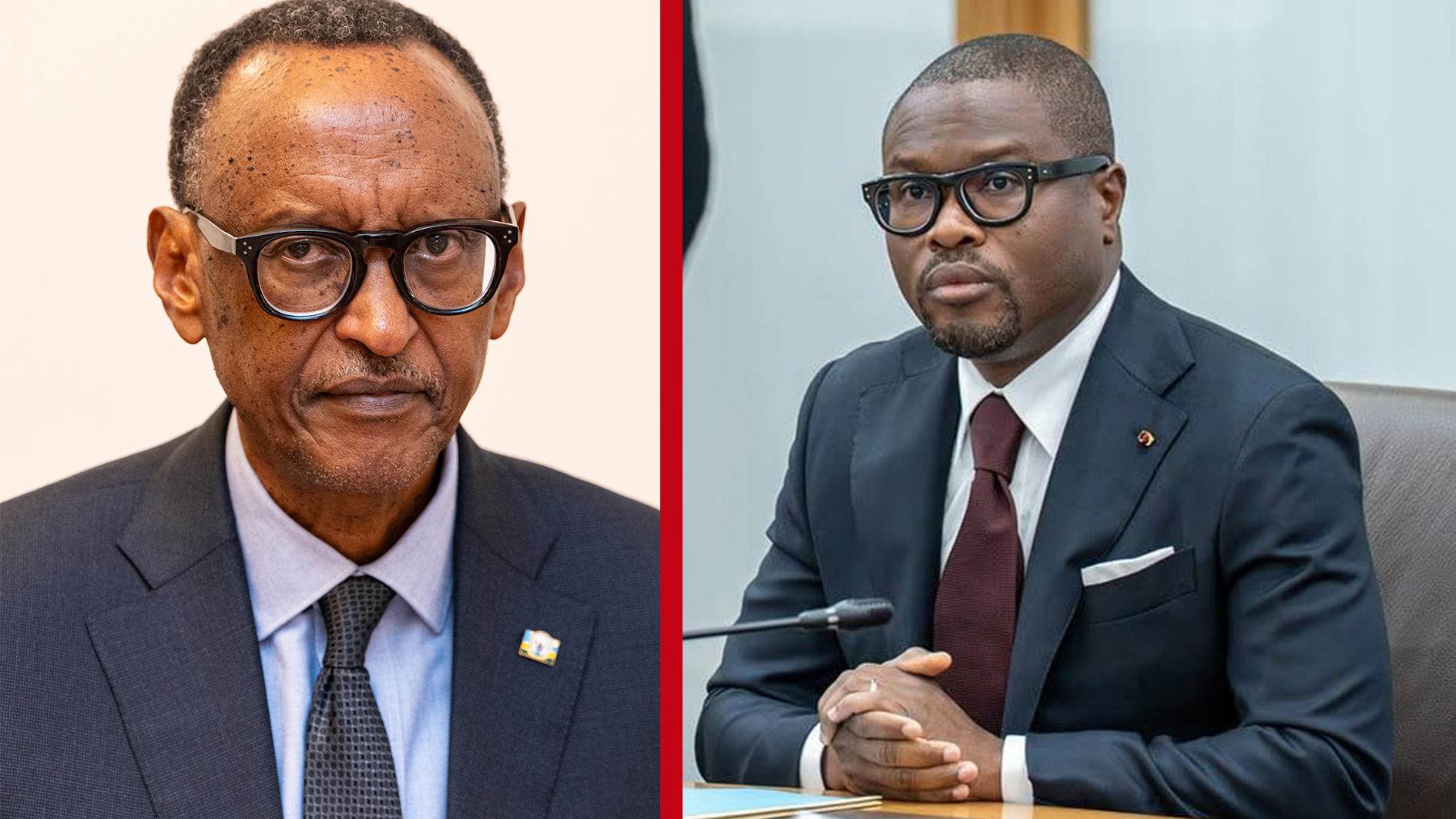
The fallout from Benin’s latest diplomatic overtures in Kigali is stirring up fresh debate across the continent. President Romuald Wadagni’s two-day working visit to Rwanda, his first since taking office last May, has set tongues wagging about the future of the Cotonou-Kigali axis. With the world watching, this high-stakes meeting with President Paul Kagame is being hailed as a defining moment for West African and East African relations.
Against the backdrop of rising geopolitical tensions, the Benin-Rwanda partnership is emerging as a bold example of South-South cooperation. But what exactly does this renewed alliance mean for the region? And how will its ripple effects reshape economic and security ties across Africa?
Why this Kigali visit is turning heads across Africa
The timing of President Wadagni’s trip couldn’t be more significant. Landing in Kigali with a clear agenda, his delegation was greeted with full presidential honors at the Village Urugwiro. The two leaders didn’t just exchange pleasantries—they locked horns on a comprehensive action plan aimed at deepening an already thriving bilateral relationship.
The discussions weren’t limited to diplomatic niceties. Central to the talks were two critical pillars: strengthening regional security and modernizing public governance. With shared threats looming large in the Sahel and Great Lakes regions, both nations are doubling down on intelligence-sharing and logistical support to reinforce border security and curb cross-border crime.
From security to strategy: a closer look at the agreements
The commitments made during the summit signal a major leap forward. Key takeaways include:
- A renewed pledge to combat terrorism and organized crime through joint operations and cross-border collaboration.
- Enhanced technical assistance from Rwanda to Benin, leveraging Kigali’s proven track record in digital transformation and governance.
- Ambitious plans to streamline customs procedures to boost intra-African trade, drawing inspiration from Rwanda’s business-friendly policies.
The underlying message is clear: both nations are betting big on a partnership that goes beyond symbolism—it’s about actionable results.
The economic chessboard: what’s at stake for Benin and beyond
What happens in Kigali doesn’t stay in Kigali—especially when economics are involved. Wadagni, a finance veteran, has long championed pragmatic economic models. His focus during this visit was on unlocking shared economic potential, with a sharp eye on attracting foreign direct investment and accelerating the digitization of public services.
Rwanda’s reputation as a tech and business hub in Africa made it a natural partner for Benin. The discussions highlighted how both nations plan to:
- Create a joint task force to identify high-potential sectors for investment, from agribusiness to renewable energy.
- Harmonize trade regulations to make it easier for businesses to operate across borders.
- Launch a pilot digital governance program, inspired by Rwanda’s Irembo platform, to reduce bureaucracy and improve service delivery.
If successful, this initiative could serve as a blueprint for other African nations seeking to modernize their economies.
Beyond the economy: the human dimension of the visit
Diplomacy isn’t just about policies and numbers—it’s about people. True to Benin’s diplomatic tradition, President Wadagni paid a solemn visit to the Kigali Genocide Memorial in Gisozi. There, he laid a wreath to honor the victims of the 1994 genocide, reaffirming his commitment to peace and reconciliation.
This gesture carried deep symbolism. It underscored the shared values of resilience and unity that both nations hold dear—not just in their bilateral relations, but as pillars of their foreign policy. The visit reinforced the idea that this partnership is built on more than just strategic interests; it’s rooted in a deep respect for history and human dignity.
What comes next? Mapping the road ahead for the Cotonou-Kigali axis
The question on everyone’s lips now is: what’s next for the Benin-Rwanda partnership? While the recent summit laid a solid foundation, the real test lies in implementation. Early signs point to a roadmap that prioritizes:
- Fast-tracking pending agreements to avoid bureaucratic delays that could derail progress.
- Engaging private sector players from both countries to ensure the economic benefits trickle down to businesses and citizens.
- Expanding cultural and educational exchanges to foster long-term people-to-people ties.
Analysts are already speculating about the broader implications. Could this partnership inspire a domino effect, encouraging other African nations to follow suit? Or will the Benin-Rwanda axis remain a unique case of successful South-South collaboration? Only time will tell—but one thing is certain: the narrative of Africa’s economic future is being rewritten in Kigali.