
Can Cameroon-Nigeria trade resilience survive without border security?
Since 2019, commercial exchanges between Nigeria’s northern states and Cameroon’s Far North region have seen a remarkable revival. Improved border security has allowed transporters to resume operations, revitalizing customs revenues and sparking economic hope in a historically volatile zone.
From risk to revival: how transporters defied insurgency
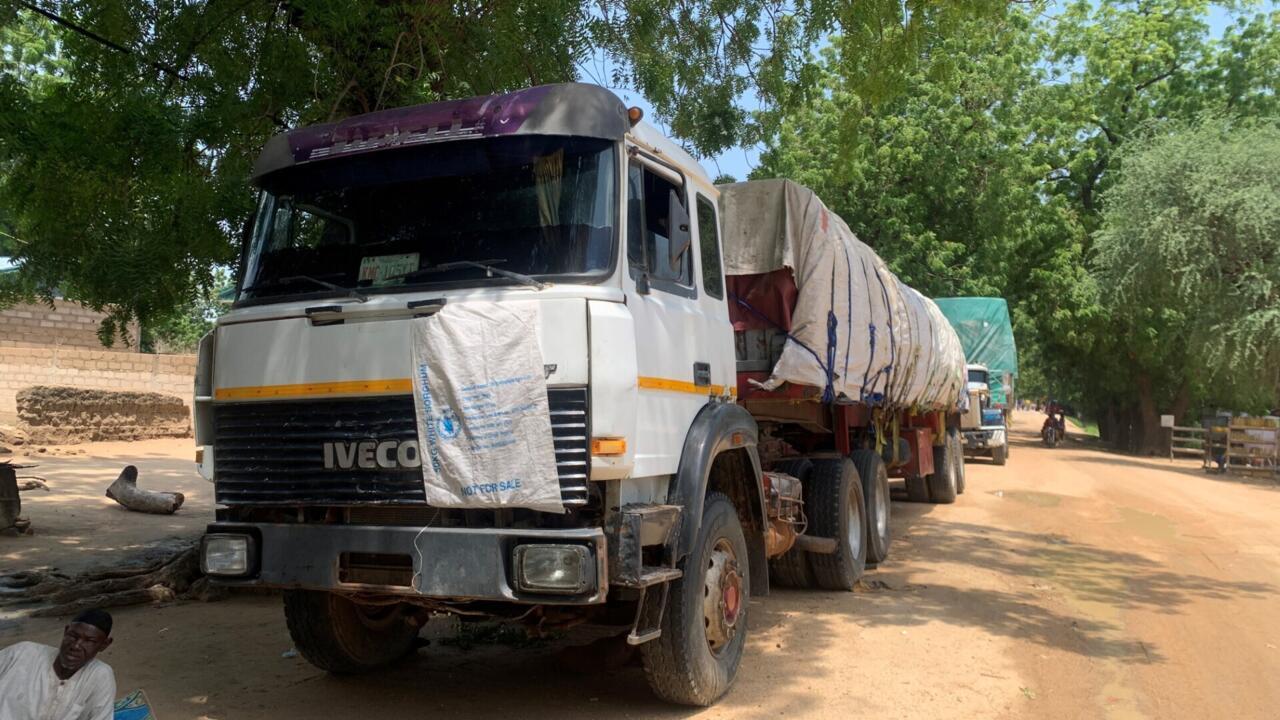
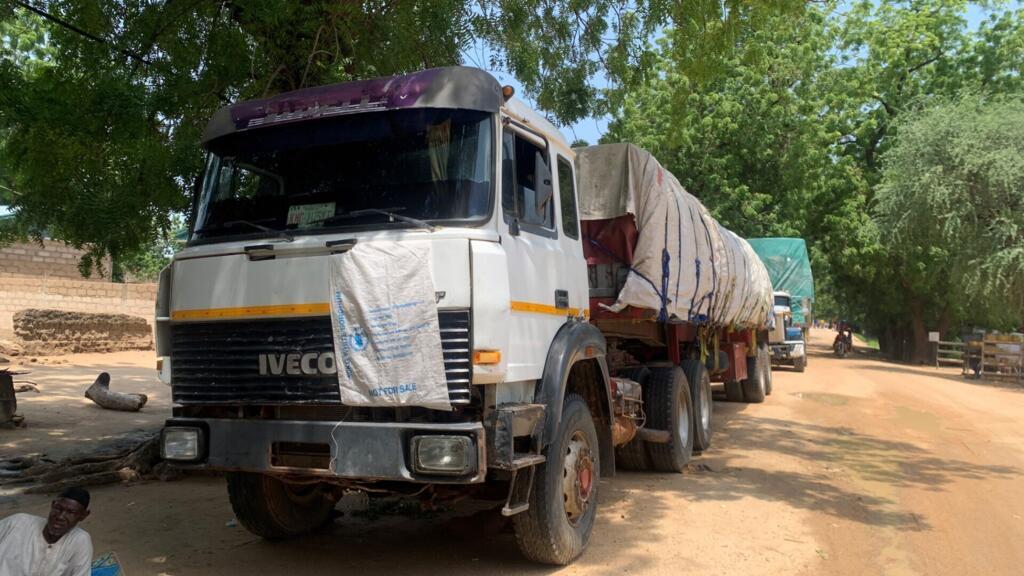
In September 2026, a convoy of Nigerian trucks rolled into Kourgui, Cameroon, carrying tons of millet bound for N’Djamena. Aboubacar Mahamed, the driver, shared his experience of the improved route: « From Nigeria, via Kano through Maiduguri, Banki, and into Kourgui, we encountered no issues thanks to security measures at Kourgui, Amchidé, and Yagoua. The road is now safe, but timing matters. »
He explained that while daytime travel remains secure, night conditions require caution: « Rapid Intervention Battalion soldiers work tirelessly, but if a truck breaks down between 6 PM and 7 PM, it’s safer to wait in the village or bush until 6 AM the next day. Best to travel between 6 AM and 5 PM. »
Limani, the primary customs office on the Cameroonian side, had been closed since 2014 due to Boko Haram threats. It reopened seven years later, marking a turning point for cross-border trade.
Economic lifeline in a climate-stricken region
Célestin Delanga, a security analyst at the Institute for Security Studies (ISS) in the Lake Chad Basin, highlights the pivotal role of this trade revival: « Cameroon exports foodstuffs, livestock, and imports fuel, textiles, electronics, and spare parts. This not only bolsters economic security but also revitalizes trade corridors through strengthened security measures. »
For communities long battered by climate shocks—floods two years ago and drought this year—transborder commerce has become a lifeline. « Trade is now a safety net for a region grappling with multiple crises, » Delanga noted. « After floods destroyed crops and livelihoods, and drought stifled the rainy season, cross-border trade offers a way forward. »
Customs revenues surge as trade volumes rebound
The economic rebound is evident in customs revenue figures: 741 billion CFA francs were collected in the first nine months of 2026, a staggering leap from just 1 billion in 2023. This surge underscores the corridor’s critical role in regional stability and economic recovery.
Key trade flows between Cameroon and Nigeria
- Exports from Cameroon: Livestock, food crops, and agricultural products
- Imports to Cameroon: Fuel, textiles, electronics, and machinery parts
- Transit trade: Goods moving from Nigeria through Cameroon to neighboring Chad
Security and trade: a fragile balance
While the security situation has improved, challenges persist. Transport companies must still adhere to strict schedules to avoid nighttime travel risks. « Even with enhanced patrols, vigilance is crucial. One breakdown at dusk could mean an overnight delay, » Mahamed cautioned.
The collaboration between Cameroonian Rapid Intervention Battalion troops and Nigerian security forces has proven vital. Their joint patrols, particularly along the Kourgui-Amchidé-Yagoua stretch, have minimized insurgent threats, enabling smoother trade flows.
A resilient corridor under scrutiny
The resurgence of Cameroon-Nigeria trade has not only reshaped local economies but also raised questions about long-term sustainability. Can this fragile recovery withstand future security threats or climatic disruptions? For now, traders like Mahamed remain cautiously optimistic, banking on continued stability to secure their livelihoods and drive regional growth.