
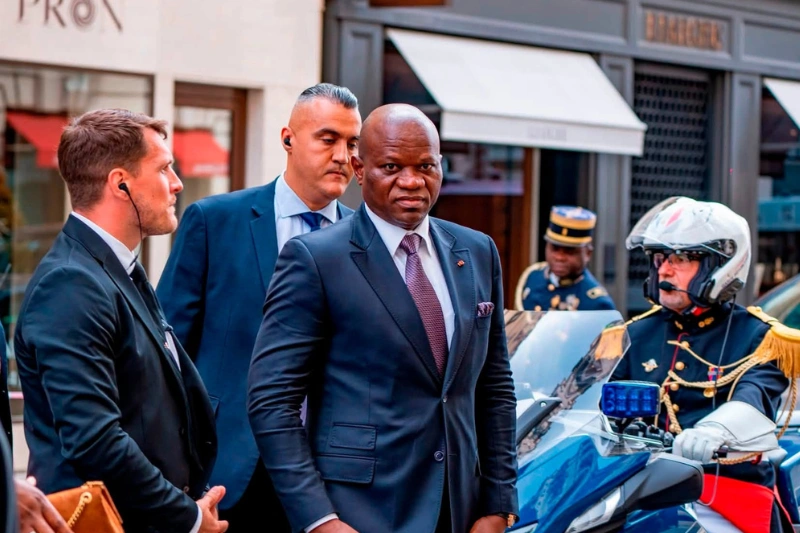
The state visit of President Oligui Nguema to France has reshaped the future of Gabon-France relations, marking a definitive break from past practices. After 42 years without a high-level diplomatic visit, both nations have committed to forging a renewed partnership built on equality, transparency, and mutual respect. This new direction prioritizes Gabon’s economic sovereignty, with a sharp focus on local value addition rather than raw resource export.
At the heart of this shift is the Gabonese leader’s push to transform the country’s manganese sector. Following intense negotiations in Paris, the French conglomerate Eramet has agreed to significantly boost local processing capabilities, targeting production milestones by 2031. Though this timeline extends beyond Libreville’s initial 2029 goal, it represents a landmark achievement in reducing Gabon’s dependence on unprocessed mineral exports.
The economic dimension of this partnership also includes a landmark agreement to modernize the Transgabonais railway, facilitated by financing from Proparco. This project, long discussed amid discussions of France’s military disengagement, underscores Gabon’s broader strategy to redefine its cooperation with former colonial partners.
President Oligui Nguema has made it clear that while France remains a key ally, Gabon will actively diversify its international partnerships. Speaking in Paris, he emphasized that the Gabon of today welcomes collaboration with all nations—China, Turkey, India, and beyond—without exclusivity. “Yesterday, Paris was our historic partner; today, Gabon attracts opportunities from across the globe.” His words reflected a deliberate departure from dependency toward a more balanced and pragmatic foreign policy.
The visit concluded with the establishment of a framework for deeper economic collaboration and a strategic reassessment of security ties. Gabonese citizens and investors now await the tangible outcomes of these agreements, which promise to redefine the nation’s role in global trade and diplomacy.