
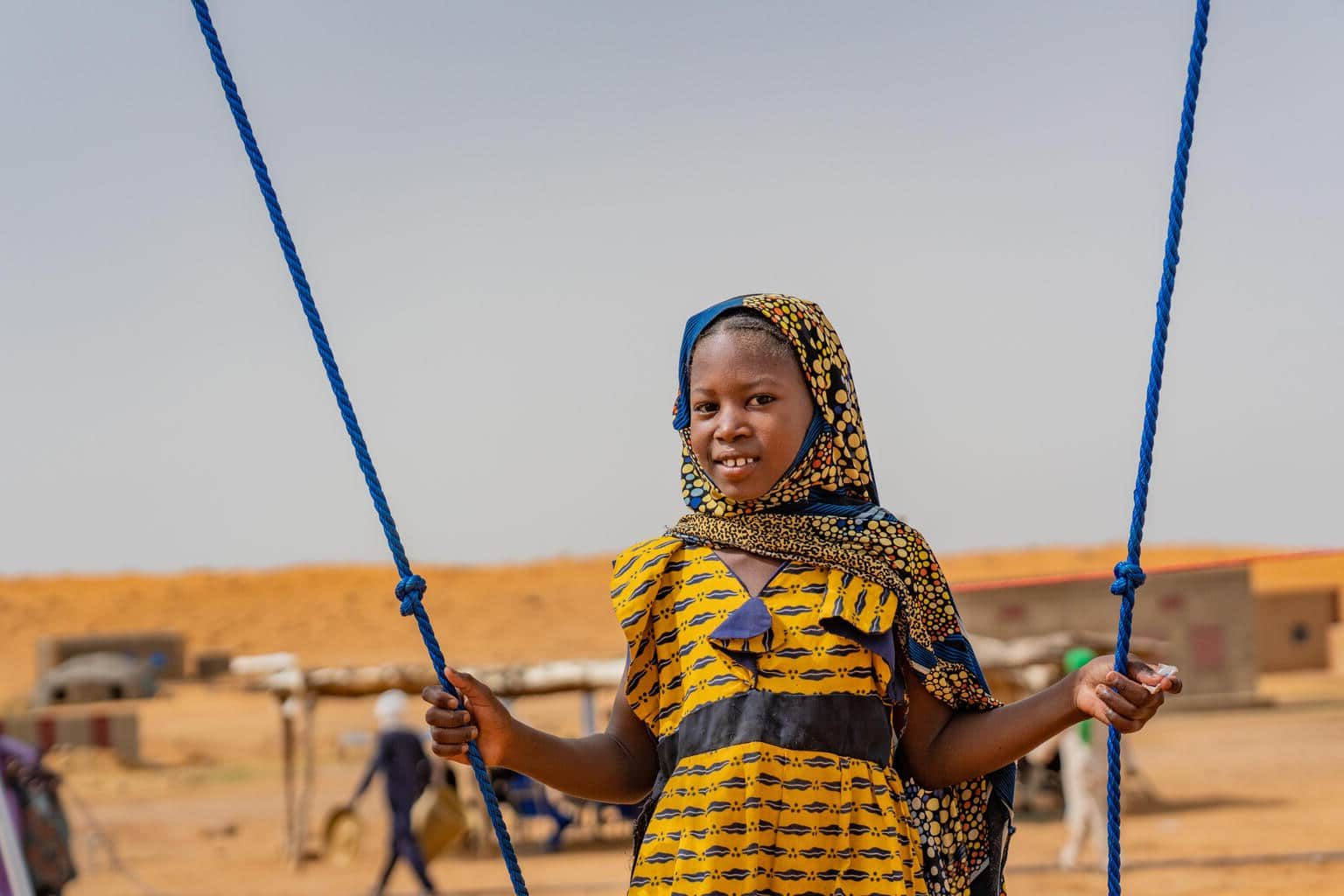
The ongoing conflict in Mali has pushed the nation’s most vulnerable communities to the brink, with nearly one million children under five years old at risk of acute malnutrition by December 2023. Without immediate humanitarian intervention, at least 200,000 of these children could lose their lives to starvation.
Mali is grappling with a severe food security crisis, where nearly a quarter of its population faces moderate to acute food insecurity. The situation has escalated to famine-like conditions in the Menaka region, where over 2,500 people—many of them children—are now threatened by famine for the first time in the country’s history.
In response to the escalating crisis, senior officials from UNICEF and the United Nations World Food Programme (WFP) recently visited Mali to reaffirm their commitment to supporting local authorities and humanitarian partners in addressing the emergency. Ted Chaiban, UNICEF’s Deputy Executive Director for Humanitarian Action and Supply Operations, emphasized the urgent need for action: “Mali is facing a complex humanitarian crisis, and children—who bear no responsibility for this conflict—are paying the heaviest price. UNICEF, WFP, and our partners have remained on the ground through some of Mali’s most challenging years, and we will continue to provide critical support for as long as it is needed.”
The crisis has left nearly five million children in Mali in dire need of humanitarian assistance, including food, healthcare, education, protection, and clean water. This represents an increase of 1.5 million children since 2020, highlighting the rapid deterioration of conditions across the country.
Carl Skau, WFP’s Deputy Executive Director and Chief Operating Officer, stressed the importance of global attention: “It is essential that the humanitarian crisis in Mali receives the attention it deserves. In a world facing multiple crises, we cannot prioritize some lives over others. We must work together to save and transform lives, especially for vulnerable families, women, and children. Our collective efforts must focus on preventing famine, tackling acute food insecurity and malnutrition, and building resilience among affected populations.”
The crisis in Mali has been exacerbated by climate-related shocks, which have triggered mass displacement in recent months. As of June 30, 2023, over 377,000 people—more than half of them children—have been forced to flee their homes. Current estimates indicate that at least 1.6 million children in Mali urgently require protection services.
In 2022 alone, the United Nations documented 1,024 grave violations against children in Mali, including recruitment by armed groups, killings, and maiming. The conflict has also forced over 1,700 schools to close, leaving at least 500,000 children without access to education.
Despite the severity of the situation, humanitarian appeals for Mali remain critically underfunded. As of this year, only 21% of the $751.4 million requested by the United Nations has been secured. Funding for UNICEF’s 2023 humanitarian appeal for children in Mali is also alarmingly low, with just 8.5 million dollars received in the first half of the year—a mere third of the required amount.
To address the crisis, UNICEF and WFP urgently require $184.4 million to support 8.8 million people in 2023, including 4.7 million children. This funding is critical for delivering emergency food aid, medical services, and life-saving supplies such as therapeutic foods for children suffering from malnutrition. It will also ensure the cold chain for vaccines and other essential humanitarian resources.
The dire situation in Mali is part of a broader regional emergency in the Central Sahel, which includes Burkina Faso and Niger. Ensuring safe and timely delivery of humanitarian aid is paramount to preventing further loss of life among children and families in these crisis-affected areas.