
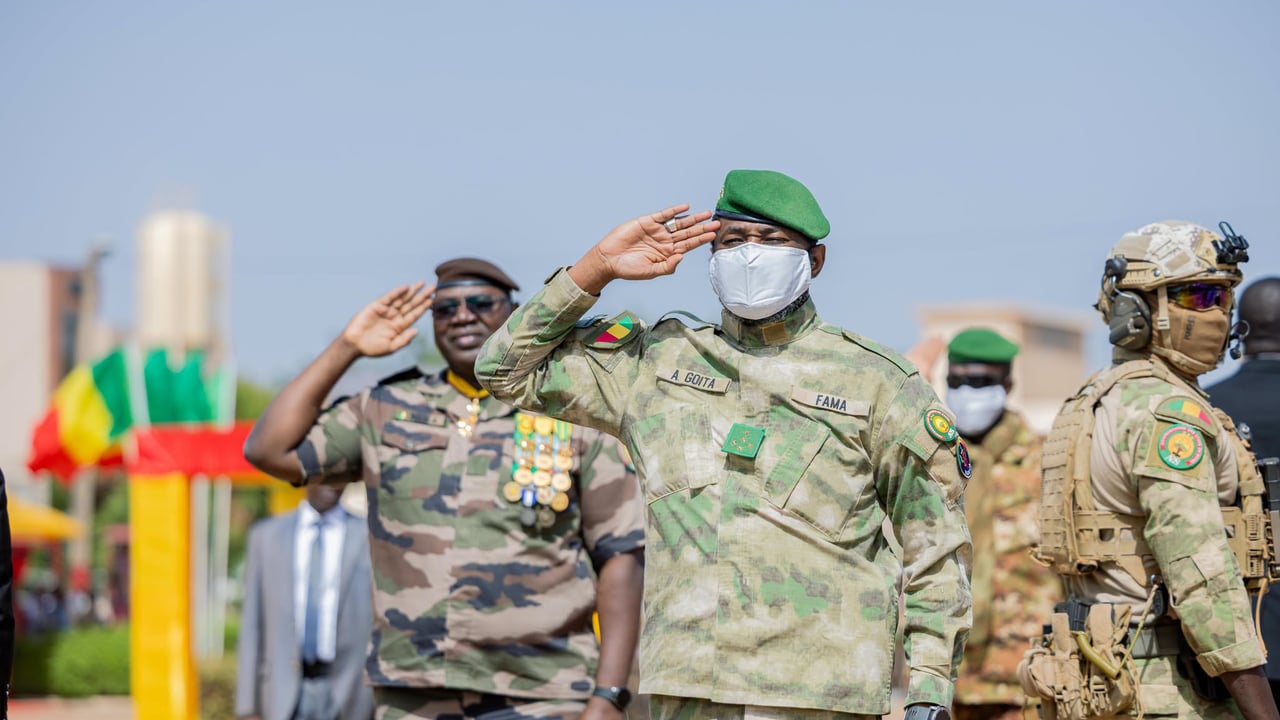
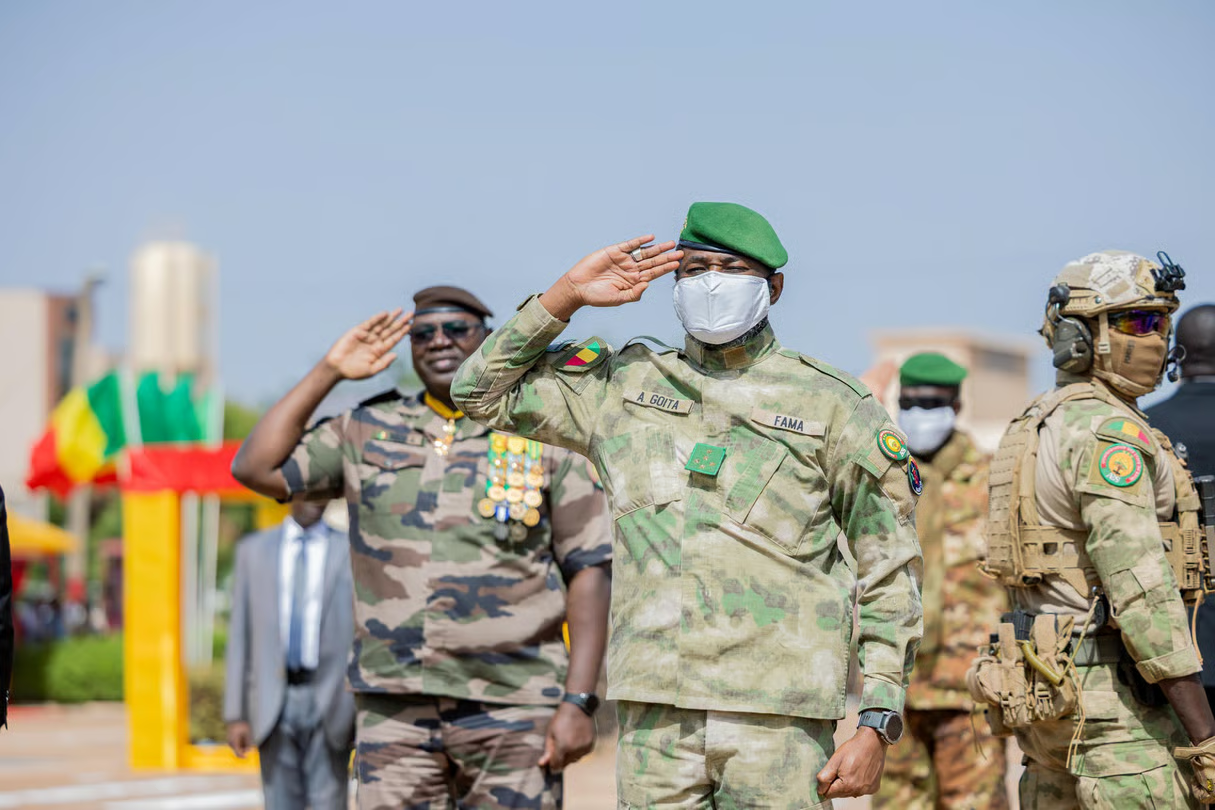
Bamako — The Malian government’s intensified military campaign against armed groups has sent ripples through the nation’s economy, leaving businesses grappling with rising costs and families facing mounting uncertainties. Under the leadership of interim President Assimi Goïta, the push to reclaim control from militant factions is reshaping the economic landscape in ways that threaten both short-term stability and long-term growth.
Economic disruptions fuel concerns over livelihoods
The military’s aggressive strategy, while aimed at securing key regions, has triggered a cascade of economic challenges. Local enterprises are reeling from disrupted supply chains and volatile market conditions, especially in areas near active conflict zones. Transportation costs have surged as insecurity forces drivers to take longer, costlier routes, while power shortages and fuel scarcity further strain operations.
Small business owners in Bamako and beyond describe a climate of heightened unpredictability. Artisans, traders, and service providers report declining foot traffic as customers prioritize essential goods over discretionary spending. The hospitality sector, once a driver of economic activity, now faces closures and layoffs amid safety concerns.
The burden on everyday Malian families
For the average citizen, the consequences are stark. Inflationary pressures have eroded purchasing power, with staple foods and basic services becoming increasingly unaffordable. Families dependent on remittances from relatives abroad find their incomes further squeezed by currency devaluation and banking restrictions in conflict-affected regions.
Parents are also feeling the squeeze on education and healthcare. Schools in peripheral districts have scaled back operations due to security threats, while hospitals struggle with shortages of medical supplies and understaffing. The psychological toll is palpable, as communities brace for more instability.
Businesses forced to adapt or shut down
Large corporations and foreign investors are reassessing their presence in Mali. Mining giants and agricultural firms operating in the north and east are tightening budgets or relocating staff to safer hubs. The uncertainty has led some to scale back expansion plans, delaying projects that could otherwise boost local employment.
Meanwhile, local entrepreneurs are turning to agile strategies to survive. Street vendors, for instance, have shifted to mobile markets, while online commerce has seen a modest uptick as consumers seek contactless transactions. However, these adaptations come with their own set of challenges, from cybersecurity risks to logistical hurdles.
Government response and the road ahead
President Goïta’s administration has acknowledged the economic strain but insists that the military push is necessary for long-term stability. Officials point to joint operations with regional allies as a sign of progress, though critics argue that the benefits have yet to materialize for ordinary citizens.
The government has rolled out emergency economic measures, including subsidies for fuel and basic goods, to cushion the impact on households. However, analysts warn that without a clear end to hostilities, these efforts may only provide temporary relief.
International reactions and the bigger picture
The economic fallout from Mali’s conflict is drawing attention beyond its borders. Neighboring countries, already grappling with their own security and economic challenges, are monitoring the situation closely. International partners have pledged continued support, though with growing reservations about the sustainability of current policies.
For Goïta’s government, the stakes couldn’t be higher. The success of the military campaign will hinge not just on reclaiming territory but on restoring confidence in Mali’s economy. Failure to do so risks deepening social unrest and undermining the fragile gains made in the fight against armed groups.