
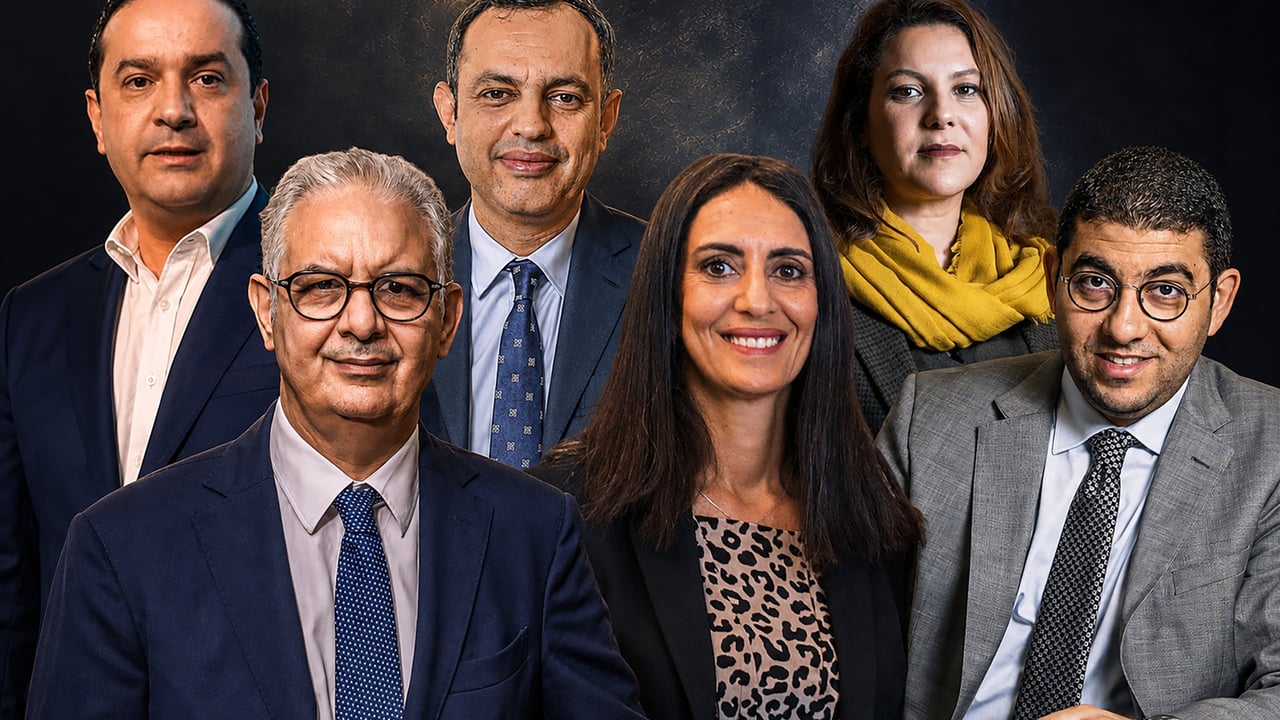
As Morocco gears up for a pivotal legislative vote in September 2026, the race to lead the government is heating up. With current Prime Minister Aziz Akhannouch’s term nearing its end, the political landscape is buzzing with speculation over who will take the helm of the Mechouar Saïd.
Potential successors are jockeying for position, each bringing a unique blend of influence, ambition, and political acumen to the table. However, the path to the prime minister’s office is far from straightforward. It demands not only a robust political network but also the ability to secure a majority in the upcoming elections.
Profiles of the frontrunners
The field of contenders is as diverse as it is competitive. Among them are seasoned politicians, business leaders, and technocrats, each with their own vision for Morocco’s future. Here’s a closer look at the most prominent names in the running:
Mostafa Terrab: The industrialist with a vision
As the CEO of the OCP Group, Mostafa Terrab is a heavyweight in Morocco’s economic circles. His leadership in transforming the phosphate giant into a global player has earned him widespread respect. However, his lack of direct political experience could be a hurdle in winning over a parliament largely dominated by traditional parties.
Nizar Baraka: The seasoned politician
A prominent figure in the Istiqlal Party, Nizar Baraka has spent years navigating Morocco’s complex political terrain. His deep understanding of legislative processes and strategic alliances makes him a formidable candidate. Yet, his affiliation with a traditional party may limit his appeal in an era craving fresh leadership.
Abdelouafi Laftit: The interior minister’s ambitions
As Morocco’s Minister of Interior, Abdelouafi Laftit wields significant influence. His role in maintaining security and stability has solidified his reputation as a reliable administrator. However, his close ties to the current administration could either bolster or undermine his candidacy, depending on the electorate’s mood.
Younes Sekkouri: The reformist voice
A vocal advocate for social and economic reforms, Younes Sekkouri has carved out a niche as a progressive figure within the political establishment. His ability to connect with younger voters and his track record in driving policy change position him as a compelling contender. Yet, his reformist agenda may face resistance from more conservative factions.
Nadia Fettah Alaoui: The trailblazing businesswoman
Nadia Fettah Alaoui, a former minister and successful entrepreneur, brings a fresh perspective to the race. Her background in both business and government offers a unique blend of pragmatism and innovation. However, breaking into the male-dominated political arena remains a challenge she must overcome.
Fouzi Lekjaâ: The kingmaker’s protégé
Fouzi Lekjaâ, a close advisor to King Mohammed VI, is often seen as a bridge between the monarchy and the political establishment. His insider status provides him with unparalleled access to power, but it also raises questions about his independence from royal influence.
What’s at stake?
The outcome of the 2026 elections will shape Morocco’s trajectory for years to come. The next prime minister will inherit a nation grappling with economic challenges, social demands, and regional dynamics. The ability to navigate these pressures while maintaining stability will be the ultimate test for any candidate.
As the campaign season kicks into high gear, voters will weigh the strengths and weaknesses of each contender. Will they opt for continuity, reform, or a bold new direction? The answer lies in the hands of the Moroccan electorate as they prepare to cast their ballots.