
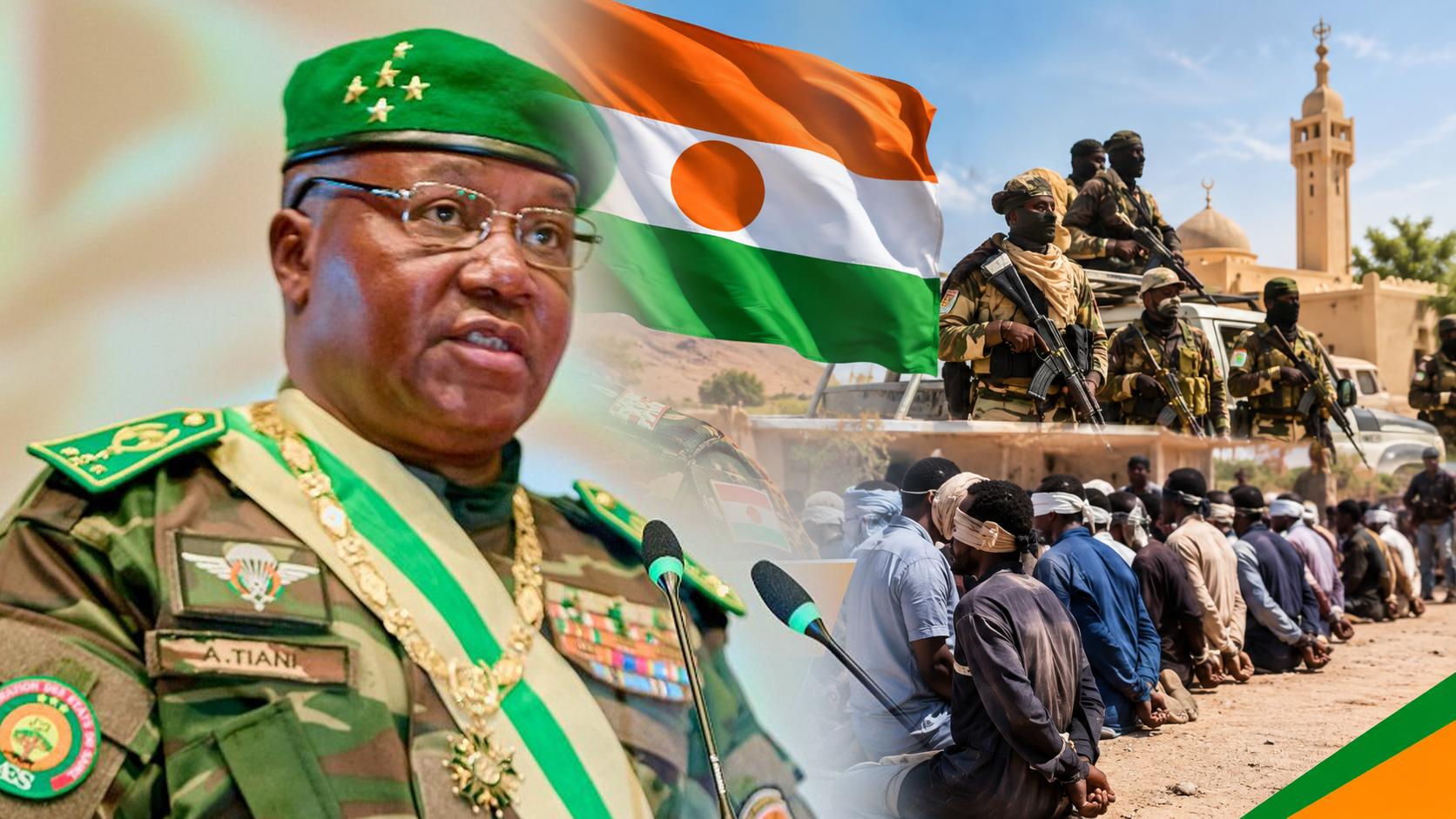
On August 21, 2026, a wave of terror crashed over Niger as nearly 500 worshippers were abducted following Friday prayers—an act so brazen it has ignited fierce public debate and cast serious doubt on the military regime’s ability to govern. Days later, with no word on the hostages’ fate, citizens are demanding answers while analysts warn this could mark a dangerous turning point for the country’s fragile stability.
Friday prayers turned into a mass abduction
Just after 1 p.m. on that fateful Friday, armed assailants surrounded multiple mosques, sealed off exits, and forcibly marched hundreds of unarmed civilians—elderly men, adults, and teenage boys—into dense forest under threat of automatic weapons. The operation bore signs of extensive planning: coordinated timing, strategic encirclement, and ruthless execution.
No group claimed responsibility in the immediate aftermath, and no ransom demands surfaced, leaving families in agonizing limbo. With authorities offering little information, communities near the abduction sites have been left scanning the treeline for any sign of their loved ones, their anxiety deepening by the hour.
Public fury grows amid government silence
The absence of an official response from General Abdourahamane Tiani’s junta—the Conseil National pour la Sauvegarde de la Patrie (CNSP)—has only fueled outrage. Once quick to denounce foreign interference or trumpet battlefield victories, the regime now faces accusations of indifference as rural populations bear the brunt of escalating violence.
Citizens are questioning how such a large-scale kidnapping could occur without detection, especially at a time when the CNSP had pledged to restore security after ousting democratically elected President Mohamed Bazoum. Instead, many now see a widening gap between the junta’s nationalist rhetoric and the harsh realities on the ground.
A security vacuum exploited by armed groups
This mass abduction is not an isolated incident but part of a broader collapse of state authority in Niger’s periphery. By expelling international security partners without establishing a viable alternative, the CNSP inadvertently created a power vacuum swiftly filled by jihadist factions and criminal networks.
In vast swaths of the countryside, government presence has all but vanished. Military units remain confined to isolated garrisons, unable—or unwilling—to patrol vulnerable areas. Locals describe living under constant threat, caught between insurgent brutality and a distant central government more focused on political survival in Niamey than protecting its citizens.
What comes next for Niger?
The August 21 attack represents a chilling escalation: targeting religious gatherings signals both tactical sophistication and a deliberate strategy to undermine public trust in the state. As families plead for action, the crisis forces a stark reckoning—can a regime built on promises of sovereignty deliver even basic safety?
With no clear rescue plan announced and diplomatic channels strained, the path forward remains uncertain. Yet one thing is clear: the patience of Niger’s people is wearing thin, and the fallout from this tragedy may reshape the nation’s political landscape far beyond the fate of the 500 missing worshippers.