
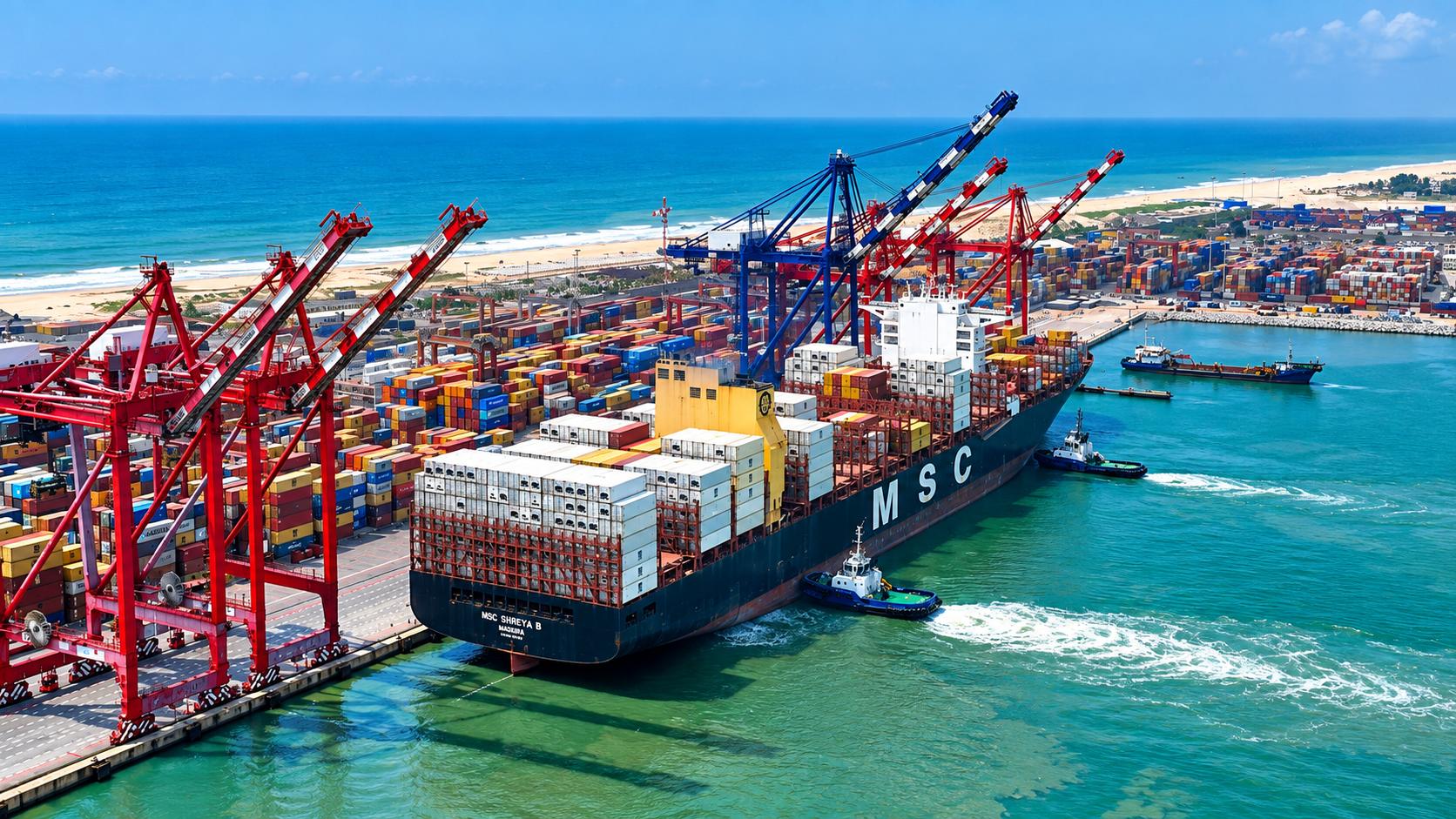
As Benin doubles down on its ambition to become West Africa’s premier trade corridor through the Cotonou-Niamey route, reactions are pouring in—from cautious optimism among regional businesses to skepticism over sustainability and security. With €30 million in backing from the European Union and Belgian cooperation agency Enabel, the initiative is reshaping not just infrastructure but regional power dynamics, raising urgent questions about what comes next.
Public and private sectors react to Benin’s corridor expansion
The accelerated modernization of the 729-kilometer Cotonou-Niamey corridor has drawn mixed responses across West Africa. Transporters and agribusiness exporters welcome smoother customs processes and safer roads, while civil society groups warn of potential debt burdens and uneven local benefits. In Niamey, officials express relief at reduced dependency on alternative routes, yet remain wary of overreliance on a single coastal gateway.
What the Cotoni project means for regional trade dynamics
Launched in May with a four-year timeline, the Cotoni project—officially the Support Project for the Development of the Cotonou-Niamey Corridor—is more than a road upgrade. It’s a strategic recalibration of cross-border commerce, built on four operational pillars:
- Enhanced governance: Ensuring long-term maintenance funding and institutional oversight.
- Corridor security: Reducing checkpoints and improving safety for freight operators.
- Trade facilitation: Linking agricultural value chains across borders through integrated logistics.
- Customs efficiency: Upgrading the joint border post to cut clearance times significantly.
Beyond Niger: ripple effects across Nigeria and beyond
Though designed primarily to serve landlocked Niger, the corridor’s reach extends into Nigeria—a critical factor given Lagos’s chronic port congestion. By offering an alternative maritime access point, Benin positions itself as a pressure valve for West Africa’s busiest economy. Analysts note this could ease bottlenecks but also intensify competition among coastal states vying for transit dominance.
What’s next? The stakes at Transport Logistique Cotonou
All eyes now turn to the Transport Logistique Cotonou (TLC) expo, set for November 12–14 at the Palais des Congrès. Co-organized with the Autonomous Port of Cotonou and ACAM, the event will gather over 2,000 regional stakeholders. Beyond networking, it’s a litmus test for confidence in Benin’s logistics vision—with open-port tours showcasing real-time operations from quays to maritime channels.
Outlook: corridor or chokepoint?
The true measure of success won’t be paved asphalt alone, but whether Benin can sustain political will, manage transnational coordination, and deliver inclusive economic gains. As regional integration deepens under frameworks like the AfCFTA, the Cotonou-Niamey corridor may either emerge as West Africa’s logistical backbone—or become a cautionary tale of overambition without broad-based support.