
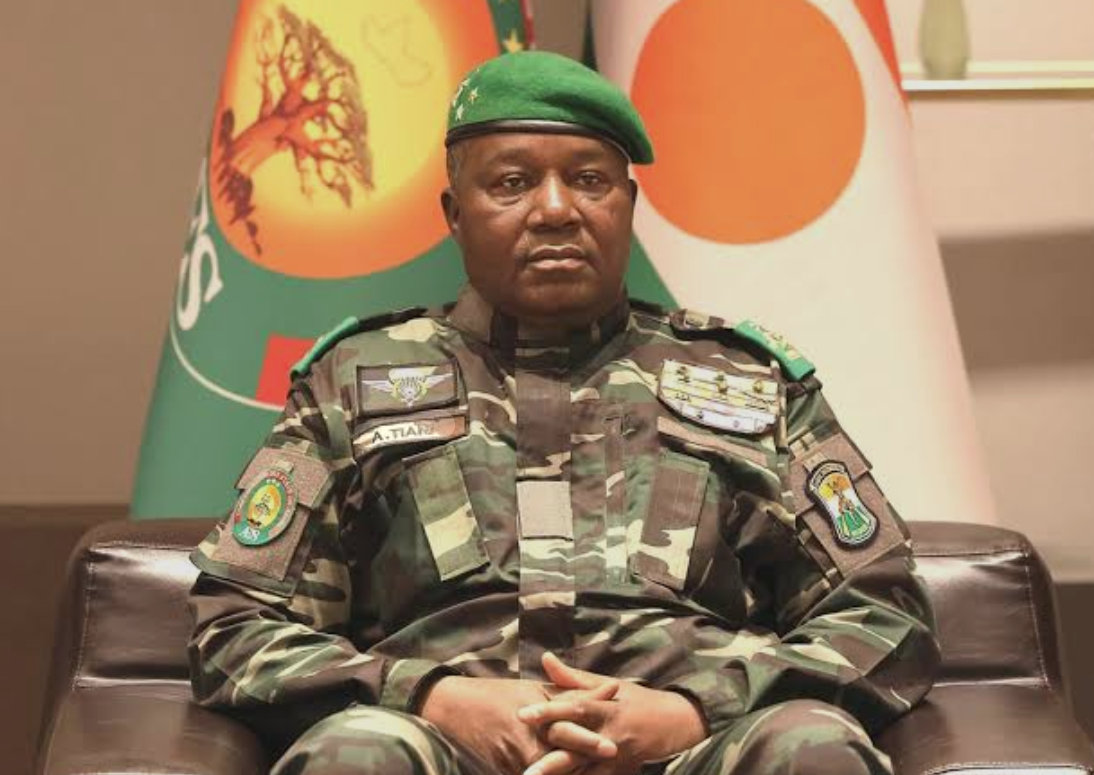
In the wake of a failed coup attempt, Niger’s military regime has triggered widespread alarm with a sweeping government shake-up that reflects growing paranoia at the highest levels of power. General Abdourahamane Tiani’s abrupt dismissal of four key ministers has intensified public debate over the junta’s grip on authority—and raised urgent questions about what comes next for a nation teetering on the edge of deeper instability.
Public reactions intensify as trust in leadership erodes
The sudden removal of ministers overseeing Agriculture, Land Reform, Energy, and Communications has been met with skepticism and concern across Niamey and beyond. Citizens, civil society groups, and regional observers see the move not as reform, but as a desperate effort to consolidate control amid mounting internal fractures within the military elite. With each new decree, Tiani appears less like a stabilizing force and more like a leader haunted by the very tactics he once used to seize power.
A self-inflicted cycle of suspicion
Irony looms large in Niger’s current crisis. General Tiani himself rose to power in July 2023 by overthrowing democratically elected President Mohamed Bazoum—a coup executed from his position as head of the presidential guard. Now, barely a year later, he faces the same threat from within: a botched putsch on the night of August 28–29 has left him scrambling to root out perceived disloyalty. His response—purging both military command and civilian ministries—reveals a regime increasingly detached from governance and fixated on survival.
Security deteriorates as political drama unfolds
While Tiani reshuffles loyalists into strategic posts, the country’s security situation continues to unravel. The original justification for the 2023 coup—improving counterterrorism efforts—has collapsed under the weight of reality:
- Rising terrorist violence: Attacks by Al-Qaeda- and ISIS-affiliated groups have surged along border regions, claiming dozens of civilian and military lives.
- Strategic isolation: The expulsion of international military partners and abandonment of long-standing defense pacts have left vast territories exposed.
- Economic and humanitarian fallout: Combined with sanctions and disrupted trade, insecurity has crippled local economies, pushing millions toward extreme vulnerability.
What comes next for Niger?
Analysts warn that replacing officials without addressing systemic failures only deepens the crisis. The National Council for the Safeguard of the Homeland (CNSP) shows no coherent roadmap—only reactive purges and tightened media controls. Yet censorship cannot conceal the growing disconnect between the junta’s narrative of order and the daily chaos experienced by ordinary Nigeriens.
As internal rivalries fester and public patience wears thin, the outlook remains bleak. Without inclusive dialogue, restored democratic processes, or a credible security strategy, Tiani’s regime risks accelerating its own downfall—proving once again that power seized by force is rarely held without fear.