

Why Senegal’s special funds remain shrouded in secrecy
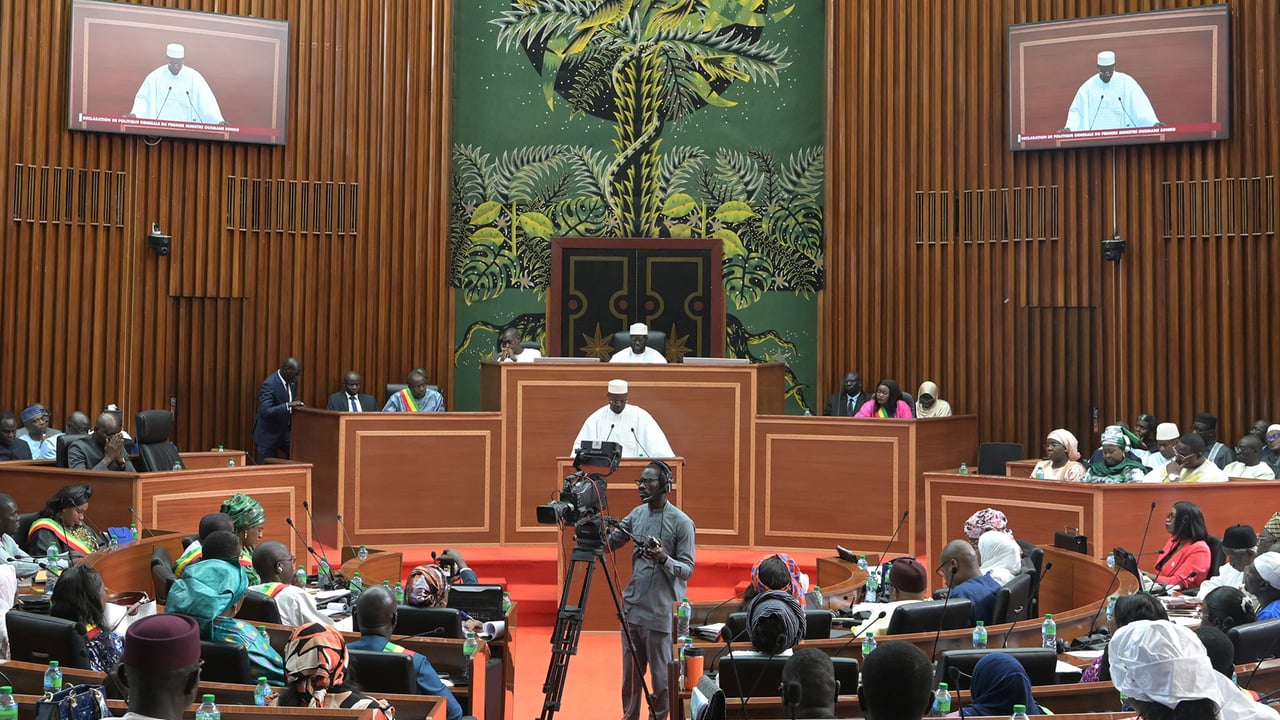
In a recent address to the National Assembly, Prime Minister Ousmane Sonko underscored the need for discretion in managing special funds, a stance that has reignited debate among political observers. The remarks came just days after his government announced plans to repeal a contentious amnesty law passed under the previous administration, a move that has drawn both support and criticism.
The debate over transparency versus confidentiality in public finances is not new in Senegal. Special funds, often allocated for urgent or sensitive purposes, have long operated under opaque frameworks, raising questions about accountability. Government officials argue that secrecy is necessary to protect national security and prevent misuse of resources. Opponents, however, contend that the lack of oversight fosters corruption and undermines public trust.
Transparency concerns in a shifting political landscape
As Senegal navigates a period of political transition, the handling of special funds has become a focal point for critics of the current administration. The proposed repeal of the amnesty law—seen by many as a shield for past political violence—has intensified scrutiny over how these funds are managed. While the government frames secrecy as a safeguard, transparency advocates insist that greater openness is essential for restoring confidence in state institutions.
One of the key arguments in favor of secrecy revolves around the need for swift action in crises. Special funds are frequently deployed in emergency situations, such as natural disasters or security threats, where delays could exacerbate harm. Proponents claim that public disclosure of allocations and expenditures could compromise sensitive operations or expose tactics to adversaries.
Balancing security and accountability
The tension between security imperatives and democratic accountability is at the heart of this debate. On one side, officials emphasize the risks of premature exposure, which they argue could destabilize ongoing efforts or invite interference. On the other, transparency advocates highlight cases where lack of oversight has led to mismanagement, citing past scandals as cautionary examples.
As the government moves forward with its legislative agenda, the outcome of this debate could redefine the country’s approach to public finance governance. Whether special funds remain cloaked in secrecy or gradually open to scrutiny may well determine the trajectory of Senegal’s democratic and economic future.