
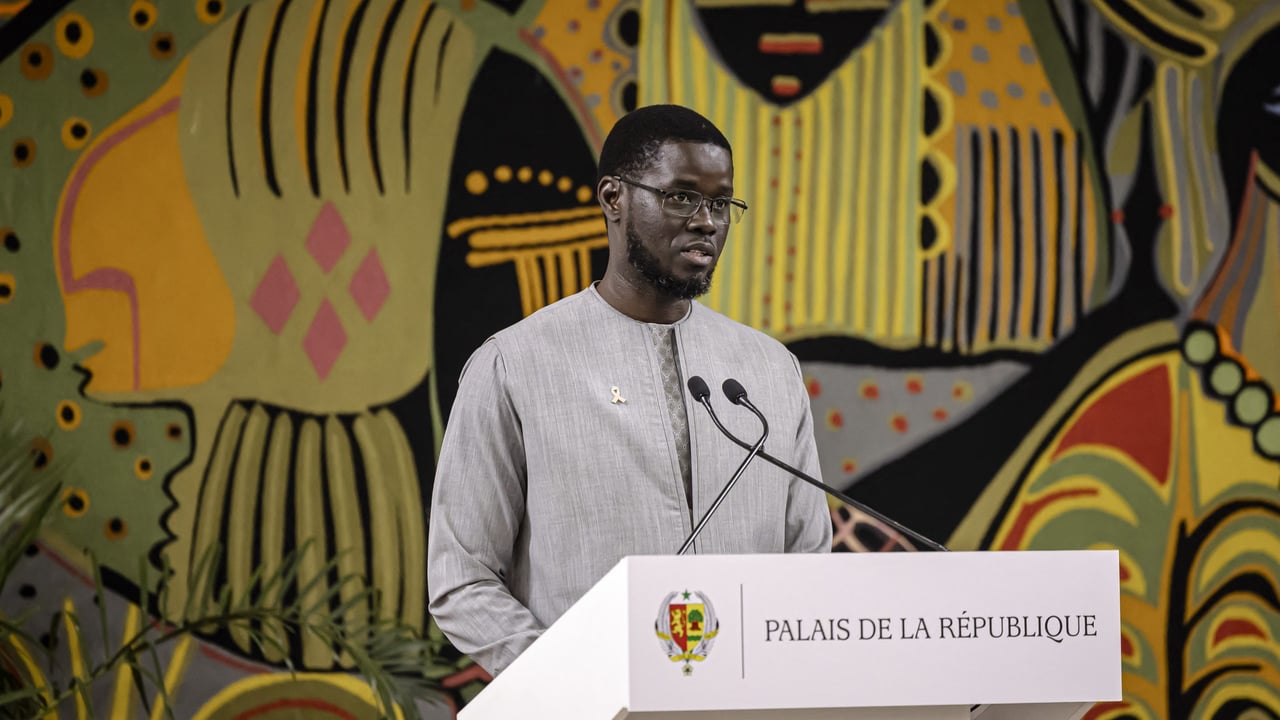
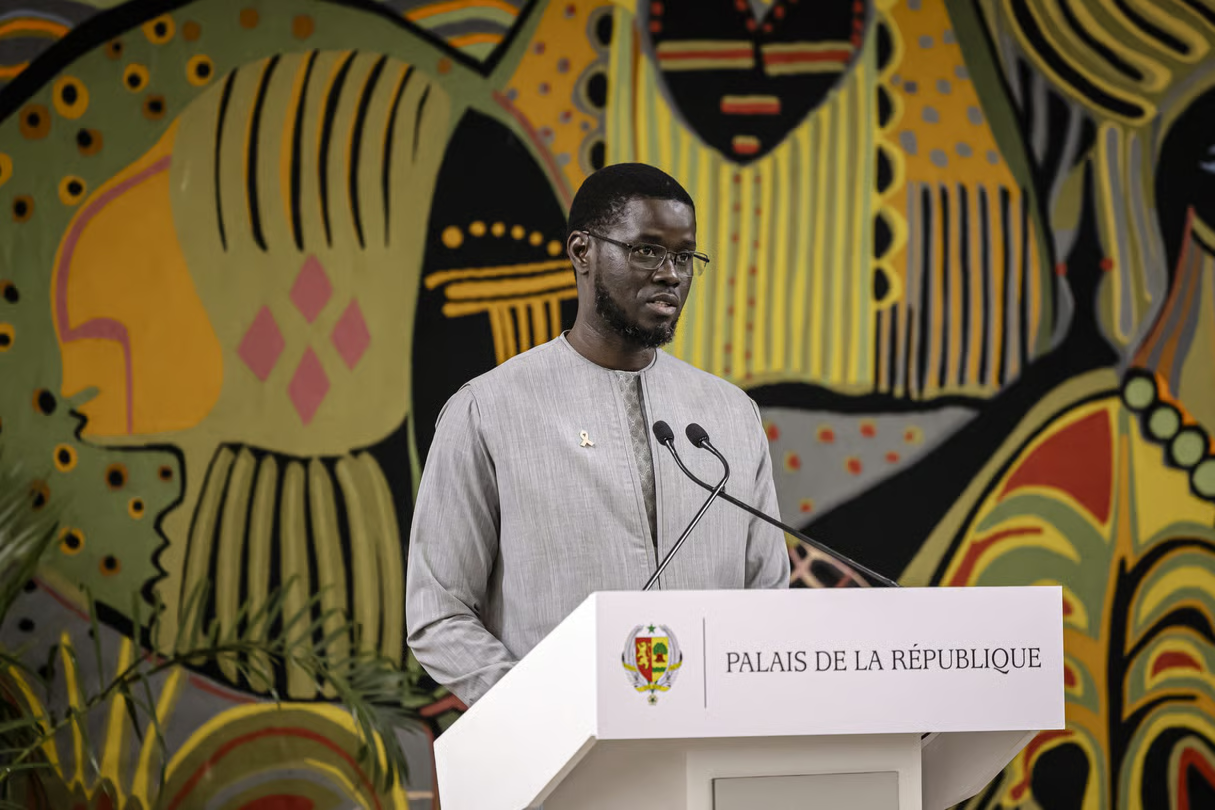
The formation of Senegal’s new government marks a pivotal moment in the nation’s political landscape, reflecting a deliberate shift toward collaboration between President Bassirou Diomaye Faye and opposition leader Ousmane Sonko. This strategic move underscores the government’s commitment to fostering unity amid recent tensions.
The announcement came as a surprise to many observers, signaling a break from traditional political rivalries. Members of the Pastef movement, which Sonko leads, have been instrumental in shaping the new administration’s priorities, particularly in addressing historical grievances and advancing social reforms.
key appointments and policy directions
The reshuffle includes several high-profile positions, with key figures from the opposition now holding influential roles. This unprecedented cooperation aims to stabilize the country’s political environment while addressing pressing economic and security challenges.
uniting past and present leadership
The collaboration between President Faye and opposition leader Sonko represents a bold experiment in governance. By integrating diverse perspectives, the administration seeks to build a more inclusive and responsive political system.
The new government’s agenda places a strong emphasis on justice and reconciliation, particularly regarding the unresolved issues of the past. This includes the long-standing concerns surrounding the Thiaroye massacre, a dark chapter in Senegal’s history that has resurfaced in recent national discussions.
public reaction and implications for governance
Citizens across Senegal are reacting with cautious optimism to the formation of the new government. While some express hope for meaningful change, others remain skeptical, questioning the long-term sustainability of this political alliance.
The administration faces significant challenges, including economic recovery and security concerns. However, the inclusion of opposition voices in decision-making processes could pave the way for more balanced and effective policies.