
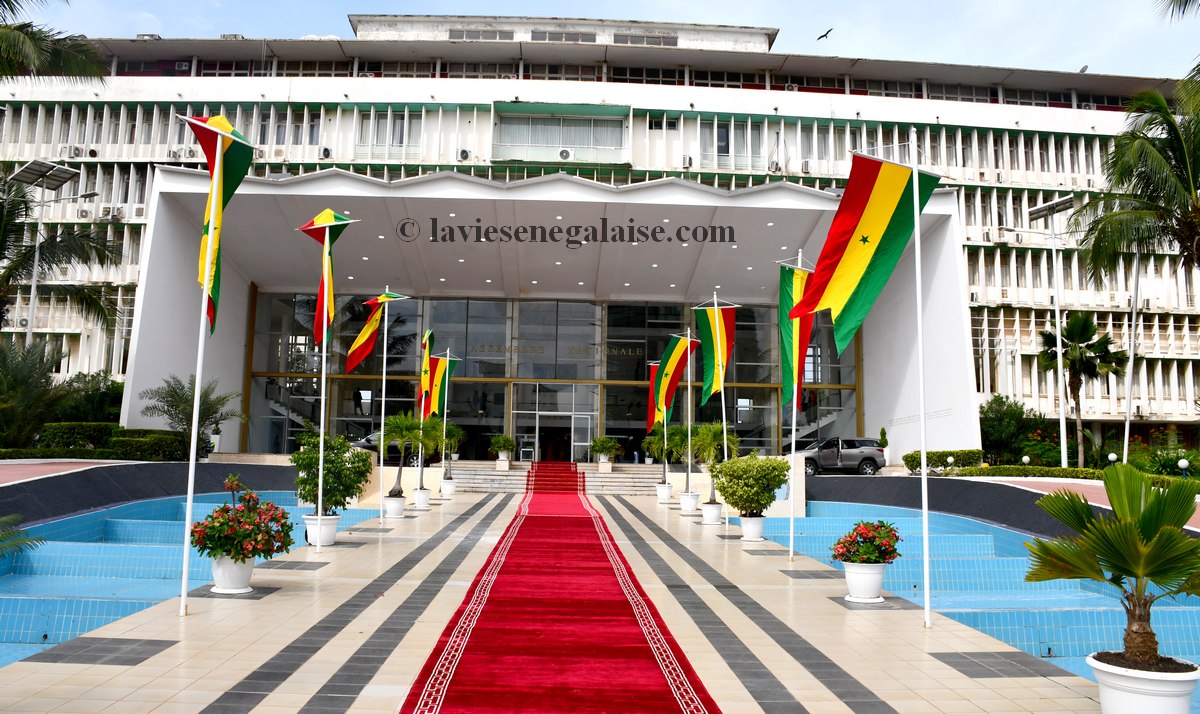
In a tense parliamentary session that captured national attention, opposition leader Ousmane Sonko faced a barrage of questions from deputies regarding pressing national issues. The exchange, broadcast live to viewers across the country, underscored the deep divisions within Senegal’s political landscape.
The session began with sharp inquiries into recent policy decisions, with lawmakers demanding clarity on governance and accountability. Sonko, a prominent figure in Senegalese politics, responded with candor, addressing concerns about economic policies, social welfare, and national security. His remarks were met with a mix of applause and criticism from both sides of the aisle.
Key moments from the debate
The discussion took a critical turn when deputies pressed Sonko on his stance regarding recent legislative proposals. One lawmaker questioned his position on a controversial bill, to which Sonko replied, “If this law needs strengthening, we will do so—but we will not take lessons from anyone.”
Another heated exchange arose when a deputy challenged Sonko on economic policies, citing rising living costs. His response highlighted his commitment to reducing financial burdens on citizens, emphasizing recent measures that have allegedly returned 869 billion FCFA to household budgets over three years.
Public reaction and implications
The session has sparked widespread debate among Senegalese citizens, with many praising Sonko for his bold responses and others criticizing his approach as confrontational. Political analysts suggest that the exchange could influence public opinion ahead of upcoming legislative sessions and local elections.
The debate also shone a spotlight on broader issues such as governance transparency and economic resilience. As Senegal navigates challenges in maintaining stability and growth, such high-profile exchanges underscore the importance of open dialogue in shaping the nation’s future.