
One of the most covert Russian military branches abroad, Africa Corps, recently found itself forced to withdraw from a key strategic position in Mali. Despite this setback, the group remains a critical asset for Moscow in the Sahel region.
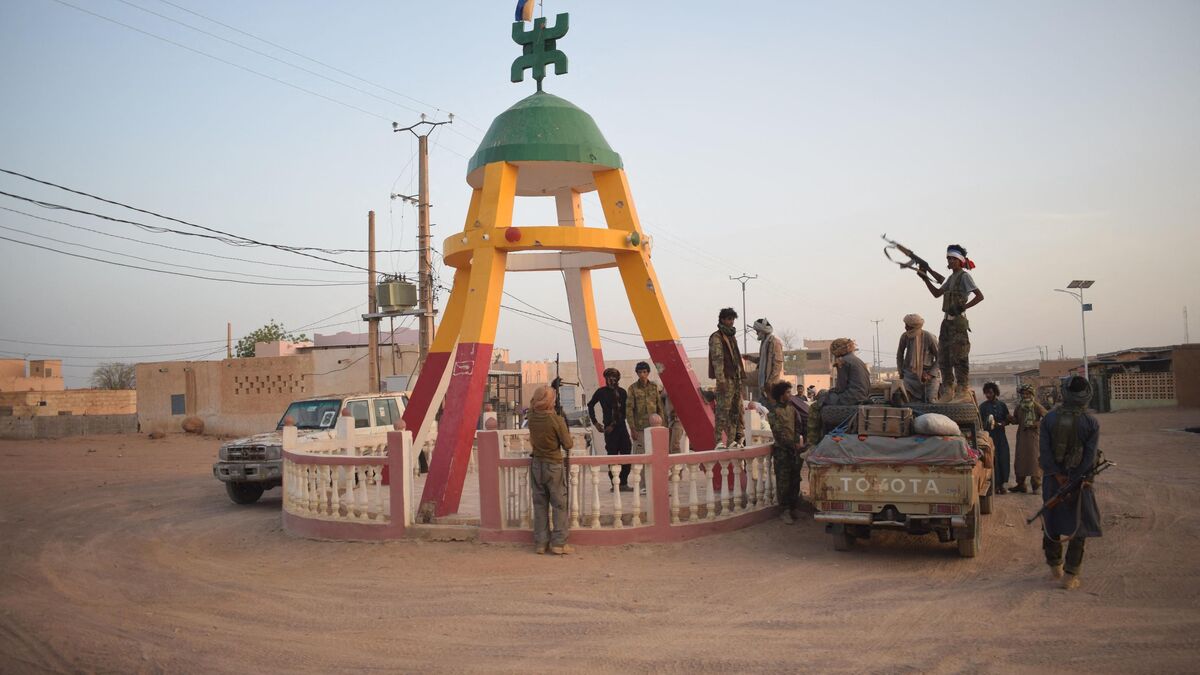
Over the weekend, a coordinated offensive by jihadist allies and Tuareg rebels targeted multiple strongholds of Mali’s ruling junta, including Bamako. The assault claimed the life of Defense Minister Sadio Camara in the capital, while rebel factions reclaimed control of Kidal, a historic bastion of the junta previously held by Africa Corps for years.
Emerging in late 2023, Africa Corps operates under the direct supervision of Russia’s Ministry of Defense, with Deputy Minister Yunus-bek Yevkurov overseeing its operations. The group’s creation was first disclosed by military blogger Deux Majors on Telegram, citing statements from Igor Korotchenko, a former colonel and Kremlin-aligned journalist.
The formation of Africa Corps coincides with the decline of the Wagner Group, Russia’s infamous paramilitary organization. Founded in 2014, Wagner served as Moscow’s primary tool for advancing its geopolitical interests abroad, particularly in Africa. However, the deaths of Wagner’s co-founders, oligarch Yevgeny Prigozhin and former officer Dmitry Utkin, in a suspicious 2023 plane crash marked a turning point for the group’s future.
Africa Corps has been positioned as a successor to Wagner, absorbing its personnel and operations across the continent. Unlike its predecessor, Africa Corps presents a more centralized and less publicly visible structure, though its goals remain aligned with Russia’s strategic ambitions.
Core objectives driving Africa Corps in Africa
From its inception, Africa Corps has outlined its mission to conduct large-scale military operations across Africa. The group aims to help countries break free from neocolonial dependencies, expel Western influence, and achieve full sovereignty, according to Igor Korotchenko’s statements.
While Africa Corps avoids the overt violence and war crimes accusations leveled against Wagner, its operations focus on strengthening ties with allied governments. The group provides military personnel and equipment to regimes aligned with Moscow, including Burkina Faso, Libya, Sudan, the Central African Republic, Niger, and Mali.
Africa Corps’ deepening footprint in Mali
Since 2024, Africa Corps has solidified its presence in Mali, deploying hundreds—or possibly thousands—of fighters. Many former Wagner leaders and their units have joined the new force, reinforcing its operational capacity. The group’s primary mission has been to bolster the Malian junta against Tuareg rebels, ensuring Moscow’s continued influence in the region.
This strategy serves a dual purpose: countering Western withdrawal from the Sahel and securing critical resources, including mineral deposits and migration routes. Africa Corps’ involvement marks a shift in Russia’s approach to Africa, prioritizing state-backed military partnerships over the shadowy tactics of Wagner.
Despite its lower-profile operations, Africa Corps has not escaped international scrutiny. In 2024, the UK sanctioned the group for alleged widespread human rights abuses and exploitation of natural resources across the continent.