
In the heart of the Sahel, a new shadow looms over the shifting sands of power. Africa Corps, Moscow’s latest paramilitary arm, has become the Kremlin’s preferred instrument to maintain influence in Africa, particularly after the controversial dissolution of the Wagner Group in 2023. Unlike its predecessor, Africa Corps operates with a higher degree of secrecy and stricter control from the Russian Ministry of Defense, making it one of the most enigmatic military outfits on the continent.
a strategic setback in the malian desert
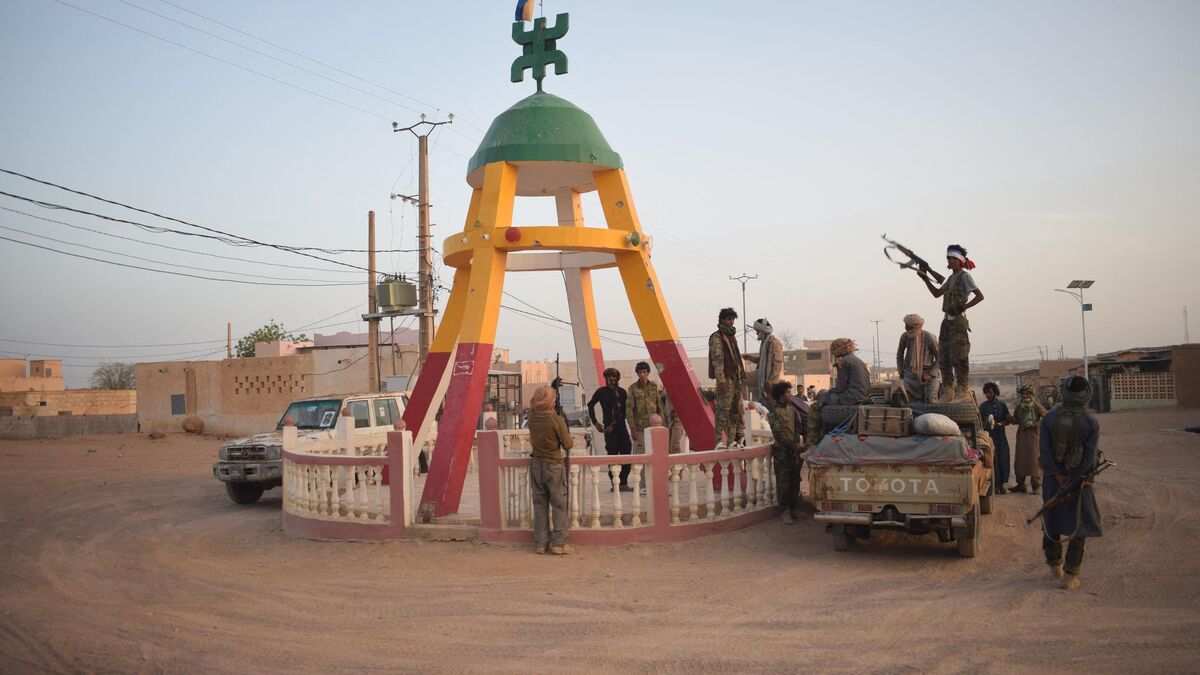
This past weekend, Africa Corps suffered a significant blow in Mali. Rebel forces, including jihadist factions and Tuareg separatists, stormed the city of Kidal—a stronghold the group had controlled for years. After intense clashes and tense negotiations, the Russian paramilitary unit was forced to withdraw from the strategic outpost. The loss of Kidal not only weakens Africa Corps’ grip on northern Mali but also raises questions about its long-term viability in the region.
Despite this setback, the group remains a critical player in the Kremlin’s broader African strategy. Its operations extend beyond Mali, with a growing presence in Burkina Faso, Niger, Libya, Sudan, and the Central African Republic. These deployments are not merely military; they are part of a calculated effort to reshape geopolitical alliances and secure access to vital resources.
from Wagner’s ashes to africa corps’ rise
The genesis of Africa Corps can be traced back to November 2023, when Russian military blogger Deux Majors disclosed its creation on Telegram. The announcement coincided with the sudden death of Wagner’s founders, Yevgeny Prigozhin and Dmitry Utkin, in a mysterious plane crash in August 2023—a tragedy that followed their brief, ill-fated rebellion against the Kremlin. With Wagner’s leadership decimated, the Russian government sought a more disciplined and centralized alternative to continue its African engagements.
Africa Corps was officially placed under the command of Deputy Defense Minister Yunus-bek Yevkurov, a move that underscored Moscow’s intent to consolidate control over its foreign military operations. The name itself is a deliberate nod to history, evoking the Afrikakorps of Nazi Germany—a controversial reference that has drawn international scrutiny.
a different approach to warfare
While Wagner was notorious for its brutal tactics, including alleged war crimes and repression of local populations, Africa Corps has adopted a more subdued strategy. Its operations focus on providing military training, logistical support, and security assistance to allied governments in exchange for political and economic concessions. This approach has allowed it to cultivate relationships with regional leaders while avoiding the same level of global condemnation that plagued Wagner.
The group’s stated mission is to help African nations break free from neocolonial dependence, expel Western influence, and achieve full sovereignty. Igor Korotchenko, a Kremlin-aligned military analyst, has described Africa Corps as a tool for “large-scale military operations to support countries resisting foreign domination.”
expanding influence across the Sahel
Since its inception, Africa Corps has steadily expanded its footprint. In Mali, it has taken over Wagner’s role, deploying hundreds—if not thousands—of fighters to prop up the military junta in Bamako. The group’s primary objectives in the country include:
- Maintaining the junta’s hold on power amid rising rebel threats.
- Countering Western influence in the region, particularly after the withdrawal of French forces.
- Securing access to critical resources, including uranium and gold, which are abundant in the Sahel.
- Controlling migration routes to Europe, leveraging them as a bargaining chip in negotiations with the European Union.
Beyond Mali, Africa Corps has established footholds in Burkina Faso, where it has been accused of human rights abuses by international observers. The group’s presence in Niger has also raised alarms, with reports suggesting it is involved in training local militias and providing security for uranium mining operations—key economic assets for the Kremlin.
international backlash and sanctions
Despite its more discreet approach, Africa Corps has not escaped international censure. In 2024, the United Kingdom imposed sanctions on the group, accusing it of “systematic human rights violations” and “exploiting natural resources for profit.” These allegations mirror those leveled against Wagner, highlighting the persistent challenges Russia faces in legitimizing its African military engagements.
As Africa Corps continues to adapt to the evolving conflicts in the Sahel, its future remains uncertain. Will it succeed where Wagner failed, or will it face the same fate of internal fractures and external opposition? One thing is clear: Moscow’s ambitions in Africa are far from over.