
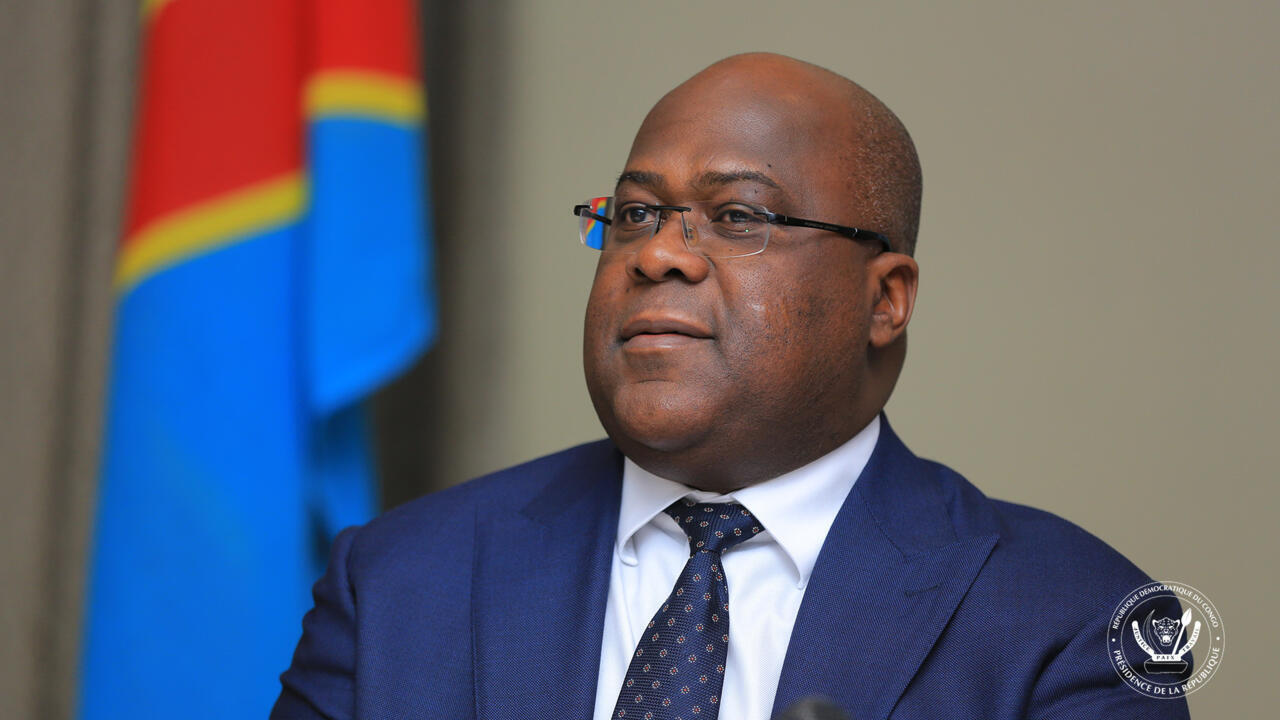
The Democratic Republic of Congo is at a crossroads as opposition forces maintain their opposition to President Félix Tshisekedi’s potential third term. The standoff escalated this week as a planned march was postponed, but the demand for a national dialogue before August 15 remains firm. What can citizens realistically expect from this much-anticipated forum?
why the national dialogue matters
The national dialogue, announced by President Félix Tshisekedi, was positioned as a platform to address pressing national issues. However, opposition groups argue that it must convene before August 15 to prevent constitutional revisions that could allow a third term. The postponement of Wednesday’s march signals a strategic pause, but the opposition’s resolve remains unshaken.
key demands from the opposition
Opposition leaders are pushing for the dialogue to focus on several critical areas:
- Constitutional integrity: Preventing any changes that could enable a third term for President Tshisekedi.
- Inclusive participation: Ensuring that all political factions, including civil society and religious groups, have a meaningful voice.
- Immediate action: Setting a clear timeline for the dialogue to begin, with tangible outcomes expected by mid-August.
public expectations and skepticism
Citizens across the Democratic Republic of Congo are divided in their expectations. Some view the dialogue as a necessary step toward stability and reconciliation, while others question whether it will lead to real change or merely serve as a political maneuver. The postponement of protests has given the government additional time to respond, but public pressure continues to mount.
The coming weeks will be decisive. Will the national dialogue deliver on its promises, or will the standoff intensify? The answer may shape the country’s political landscape for years to come.