
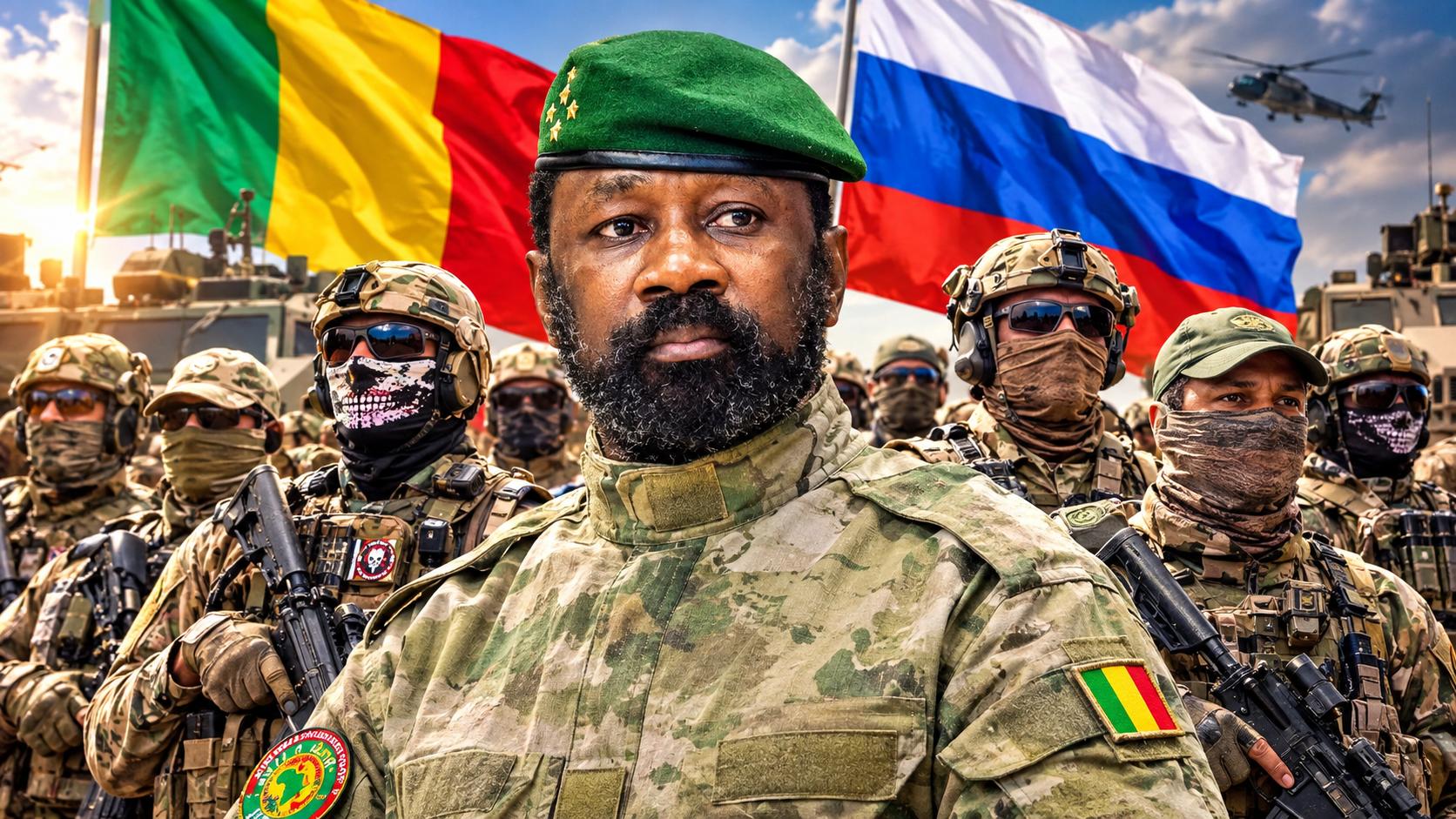
The Malian campaign’s deadly equation has just shifted gears. After three years of unrelenting conflict, Africa Corps—Russia’s rebranded paramilitary force—has suffered devastating losses totaling 358 combat fatalities in Mali alone. This staggering human toll marks a critical inflection point in a campaign that promised swift territorial control but delivered mounting bloodshed instead.
From Wagner to Africa Corps: A strategy under scrutiny
The death toll isn’t just a number—it’s a stark indictment of a military doctrine that placed Wagner Group’s successor force directly in the line of fire. Unlike Western operations that prioritized aerial support and precision strikes, Africa Corps units have been repeatedly deployed as frontline shock troops in high-risk clearing operations across northern and central Mali’s treacherous terrain.
The shift from Wagner’s shadowy operations to the officially sanctioned Africa Corps hasn’t softened the impact. Instead, it has exposed the fragility of a strategy built on direct confrontation in areas saturated with improvised explosive devices (IEDs) and ambushes. The human cost has now reached proportions that demand serious strategic reassessment.
A stark contrast: Africa Corps vs. Western operations
The numbers tell a devastating story. While Western forces—specifically French troops under operations Serval and Barkhane—recorded 59 fatalities over nearly a decade across the entire Sahel, Africa Corps has lost more than six times that figure in Mali alone within just three years. This disparity stems from fundamentally different approaches to conflict engagement.
Western doctrine emphasized:
- Avoidance of close-contact engagements
- Heavy reliance on air support and advanced surveillance
- Direct frontline deployment
- Aggressive territorial clearance operations
- Higher exposure to asymmetric threats
Russian paramilitary strategy prioritized:
Strategic setbacks: Sévaré and Dioura under siege
The recent coordinated assaults on Sévaré and Dioura garrisons represent a turning point in the conflict’s trajectory. These attacks, executed by armed groups with intimate terrain knowledge and modern tactical equipment—including reconnaissance and strike drones—have delivered crippling blows to the combined Malian Armed Forces and Africa Corps formations. The loss of strategic positions has not only eroded operational confidence but has also exposed vulnerabilities in the campaign’s sustainability.
Moscow’s gamble: Can Africa Corps survive the human cost?
The financial burden of sustaining Africa Corps operations has ballooned alongside the casualties. Estimates suggest expenditures in the hundreds of billions of West African CFA francs, raising serious questions about the campaign’s long-term viability. Within Malian barracks and among the general populace, skepticism is growing regarding the promised rapid territorial pacification.
For a junta that staked its legitimacy on security restoration, the soaring human toll of its Russian-backed partner represents more than a military setback—it’s a political liability. The initial vision of swift stabilization has collided with the harsh realities of a protracted, asymmetric conflict where the human price continues to escalate.
What lies ahead for Mali’s security landscape
The Africa Corps casualties in Mali are no longer just a tactical issue—they’ve become a strategic crisis. With no immediate end to the cycle of violence in sight, both the Malian transitional authorities and Moscow face mounting pressure to reassess their engagement model. The question lingers: Can a force built on direct confrontation adapt to the unforgiving realities of Mali’s battlefield, or is this the beginning of a costly retreat?