
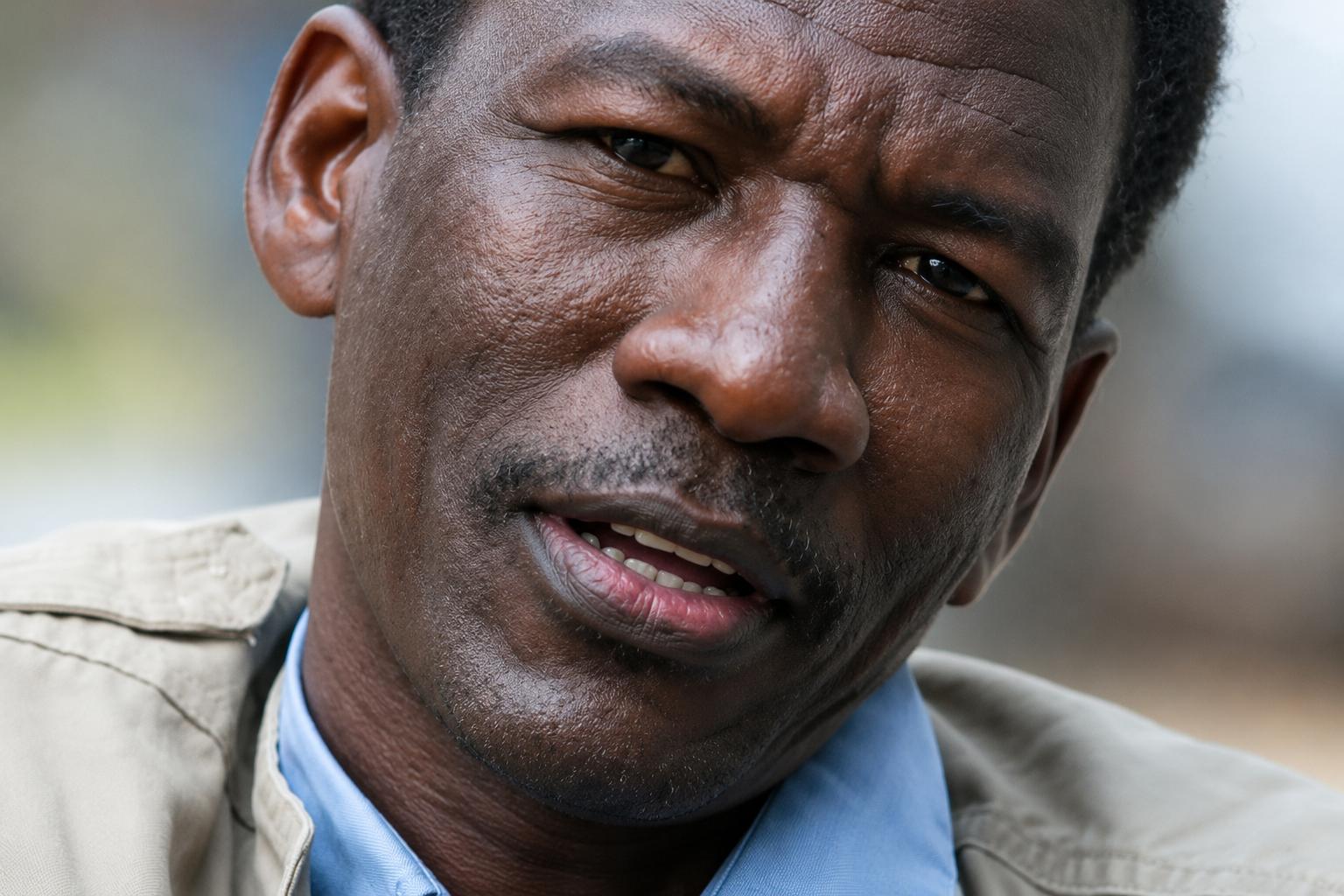
A decade of reporting silenced: the unsettling disappearance of a Sahelian voice
The absence of Moussa Kaka, a respected name in African journalism, has left Niamey’s media community in uncharted waters. For weeks, the veteran reporter and RTS chief has been out of contact, raising urgent questions about his whereabouts and the forces that may have removed him from the public sphere.
Moussa Kaka’s career spans decades of exposing political tensions, security threats, and delicate inter-community dynamics across the Sahel-Saharan belt. His commitment to thorough field investigations earned him both admiration and hostility from powerful quarters. Now, that legacy hangs in the balance.
No official word, no trace: the mystery deepens in Niger’s capital
After leaving his home in Niamey on what was meant to be a routine day, Kaka did not return. Close associates and colleagues report no contact since that moment. Authorities have not issued any formal charges or explanations, and inquiries filed with local police and security services have yielded no results.
In a climate where press freedom is already under strain, the lack of transparency surrounding Kaka’s disappearance fuels speculation and fear among journalists and citizens alike. The absence of clear answers is itself an answer—and it speaks to a rising tide of concern for the future of independent reporting in Niger.
The global watchdog’s urgent call to action
International observers have been swift to react. Reporters Without Borders has taken a firm stance, demanding immediate clarity from Niger’s transitional authorities.
« This alarming case sends a chilling message across the Sahelian media landscape. We urge the government to confirm Kaka’s status without delay, to rule out state involvement, and to ensure his safety and immediate release if he remains in custody. »
The NGO stresses that safeguarding journalists is not optional—it is a core responsibility of any transitional administration.
From RFI correspondent to RTS leader: a life of breaking barriers
Kaka’s journey from frontline RFI correspondent to RTS director mirrored the evolution of Sahelian journalism itself. His coverage of coups, insurgent threats, and fragile peace processes gave millions across West Africa direct insight into events shaping their region. For those who counted on his analysis, his silence is more than unsettling—it feels like the silencing of a nation’s conscience.
Press freedom in the Sahel: a region at a crossroads
The fate of Moussa Kaka is unfolding against the backdrop of tightening restrictions across the Sahel. Since military-led transitions took hold in Niger and its neighbors, independent media have faced growing pressures: suspensions of international outlets, harassment of civil society figures, arbitrary arrests, and a climate of self-censorship among local journalists. In this environment, Kaka’s disappearance is not an isolated incident—it is a turning point.
For a region already grappling with escalating insecurity, economic hardship, and shifting alliances, the loss of a critical voice like Kaka’s threatens to dim the public’s access to truth. His case underscores a dangerous erosion of guarantees for those who dare to inform freely in Niamey and beyond.
The question now looms large: in a Sahel under siege by multiple crises, will the right to report survive the silence?