
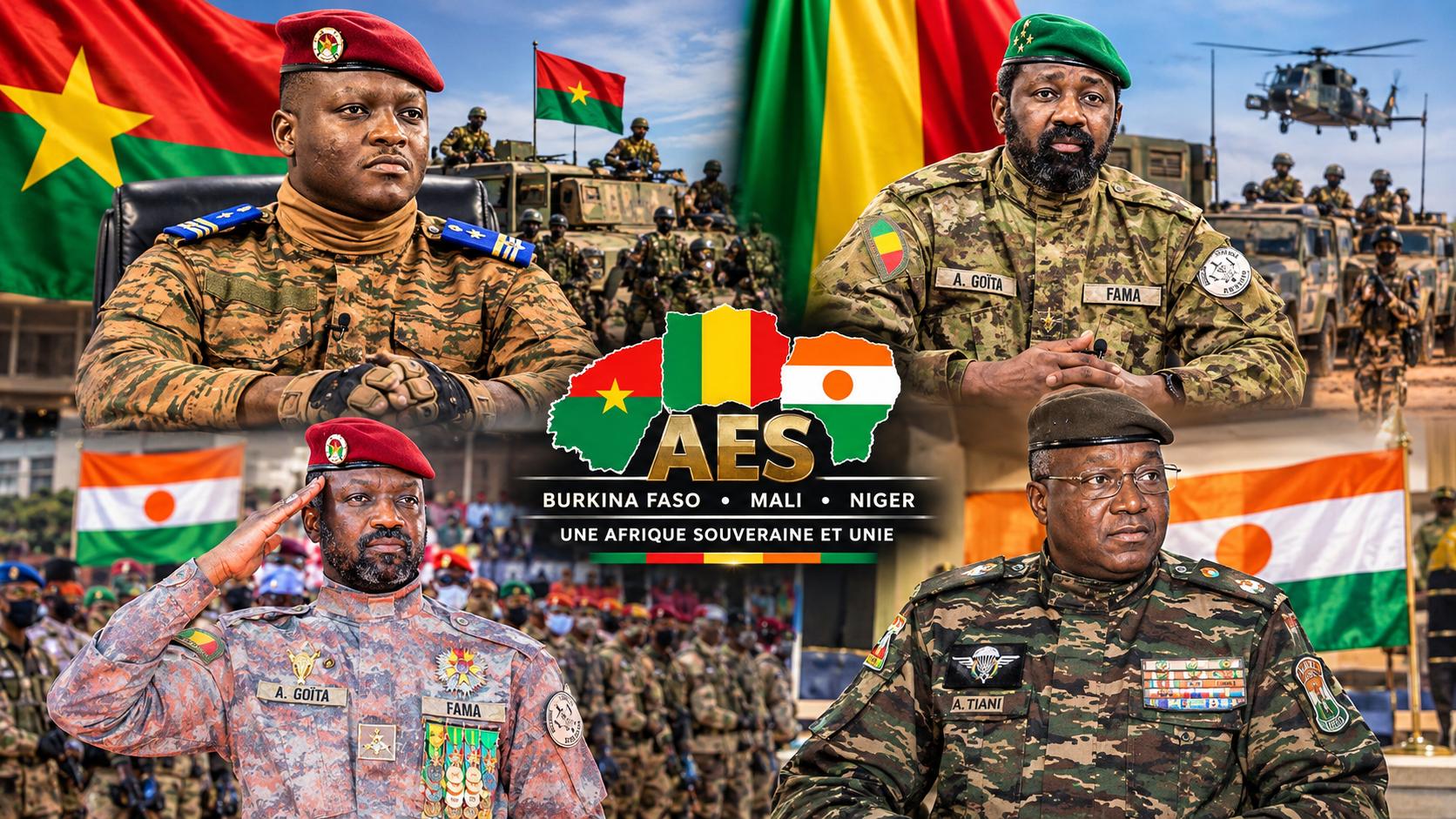
The heart of Mali’s security crisis has shifted dramatically. The devastating attack on the Dioura military camp, followed by sustained jihadist assaults across central and southern regions, marks a decisive turning point in the country’s battle against armed groups. What was once framed as a fight for territorial control has now become a stark reckoning with military limitations—both local and allied.
The September 10 offensive on Dioura, claimed by the Group for the Support of Islam and Muslims (JNIM), sent shockwaves through Bamako’s corridors of power. Reports indicate heavy losses: over 100 Malian soldiers and five members of the Africa Corps killed, with jihadist claims of up to 150 fatalities and 93 captives. While unverified, these numbers underscore a brutal reality—security forces are struggling to hold ground against a resilient insurgency.
Dioura’s Aftermath: More Than a Tactical Loss
The fall of Dioura wasn’t just a military setback—it was a strategic breach. JNIM forces not only overran the camp but reportedly seized weapons, ammunition, and vehicles, turning a Malian military stronghold into a temporary supply depot for jihadist fighters. This pattern of capturing and exploiting military assets is becoming alarmingly routine.
Within days, the JNIM expanded its offensive to Konna and Sévaré, targeting key military infrastructure. A brazen drone strike on Sévaré’s airbase—home to Russian helicopters and Turkish Bayraktar drones—sent a chilling message: no corner of Mali is safe, not even areas under direct state control.
From Rural Battles to Urban Threats
The security crisis has escalated beyond remote theaters. JNIM’s reach now extends dangerously close to Bamako. After a series of earlier incursions in 2026, the group has demonstrated the ability to strike strategic axes and economic corridors linking Mali’s capital to the rest of the country. The message is clear: protecting urban centers is no longer optional—it’s essential.
This shift marks a dangerous inflection point. The fight is no longer confined to the Sahel’s vast, sparsely populated zones. Urban stability, economic flows, and national morale are now directly in the crosshairs.
The Russia Factor: Can Moscow’s Africa Corps Change the Game?
Mali’s military leadership pinned its hopes on a new partnership with Moscow. The Africa Corps, a restructured unit under Russia’s Defense Ministry, was supposed to fill the void left by the withdrawal of UN and French forces. With thousands of troops, advanced air support, and drone capabilities, the plan was to regain control and crush jihadist momentum.
But the results have been underwhelming. In April 2026, coordinated JNIM and Azawad Liberation Front (FLA) offensives overran multiple towns. In July, ambushes near Anéfis inflicted further casualties on Malian and Russian-aligned forces. Analysts point to a critical flaw: while the Africa Corps excels in firepower, it struggles against an insurgency built on mobility, local intelligence, and relentless pressure.
Civilian Toll Raises Ethical Questions
Beyond tactical limitations, reports of civilian casualties have fueled public distrust. An alleged June airstrike in Kyrnia reportedly killed eight civilians, including three children. In July, another incident in Bombori led to accusations of indiscriminate force. While contested, such incidents highlight a growing paradox: military power alone cannot win a war rooted in community grievances.
A Sahel-Wide Crisis: Burkina Faso and Niger Face the Same Storm
The jihadist threat is not confined to Mali. The Africa Center for Strategic Studies reports record levels of violence linked to Islamic militant groups across the Sahel, with thousands of deaths annually. The JNIM remains the primary driver of this bloodshed.
The Institute for Security Studies warns that evolving militant strategies and cross-border coordination are overwhelming the region’s defenses. Despite the AES’s stated mission of regional solidarity, the insurgency continues to exploit cracks in coordination and capacity.
Beyond Firepower: What Does Success Look Like?
The Africa Corps brings firepower, intelligence, and a degree of technological edge. But firepower alone is not the measure of victory. Real success would mean:
- Protecting civilians: Preventing civilian casualties and gaining community trust through inclusive security.
- Securing supply routes: Ensuring safe passage for goods and people to prevent economic strangulation.
- Rooting out insurgent resurgence: Not just defeating attacks, but preventing their recurrence through sustainable governance and development.
- Regaining territorial control: Holding areas long enough to allow civic institutions to function.
So far, Mali—and by extension, the AES—has fallen short. The attacks at Dioura, Sévaré, and near Bamako reveal the depth of the challenge. The Africa Corps has changed the battlefield’s dynamics, but it has not reversed the insurgency’s momentum.
Africa Corps at a Crossroads: Strengths, Limits, and the Path Forward
The military partnership with Russia is not a failure in itself. It has brought capabilities that the Malian Armed Forces lacked. But it has not addressed the deeper issues: weak logistics, overstretched forces, and a population caught between state neglect and jihadist intimidation.
As Bamako reconsiders its security strategy, one question looms: Can an external force, no matter how well-armed, compensate for structural weaknesses in national institutions? Or does the answer lie in redefining what security really means—prioritizing people, governance, and resilience over sheer firepower?
The turning point is not behind us. It has arrived. The choices made in the coming months will determine whether Mali—and the wider Sahel—can emerge from this crisis with its sovereignty intact.